Develop the Story Concept
Define the premise, story world, genre, key characters, central conflict, audience promise, and question that should keep the viewer engaged.
AI NARRATIVE DEVELOPMENT / SELF-INITIATED SHORT DRAMA
Story development, character continuity, scene planning, storyboarding, suspense pacing, and AI-assisted vertical video production.
This self-initiated AI short drama explores an end-to-end narrative workflow, from story concept and character development through scene breakdown, visual continuity, suspense pacing, storyboarding, and final vertical video production. The goal was to build a short-form story that feels connected, emotionally readable, and designed to keep viewers watching.
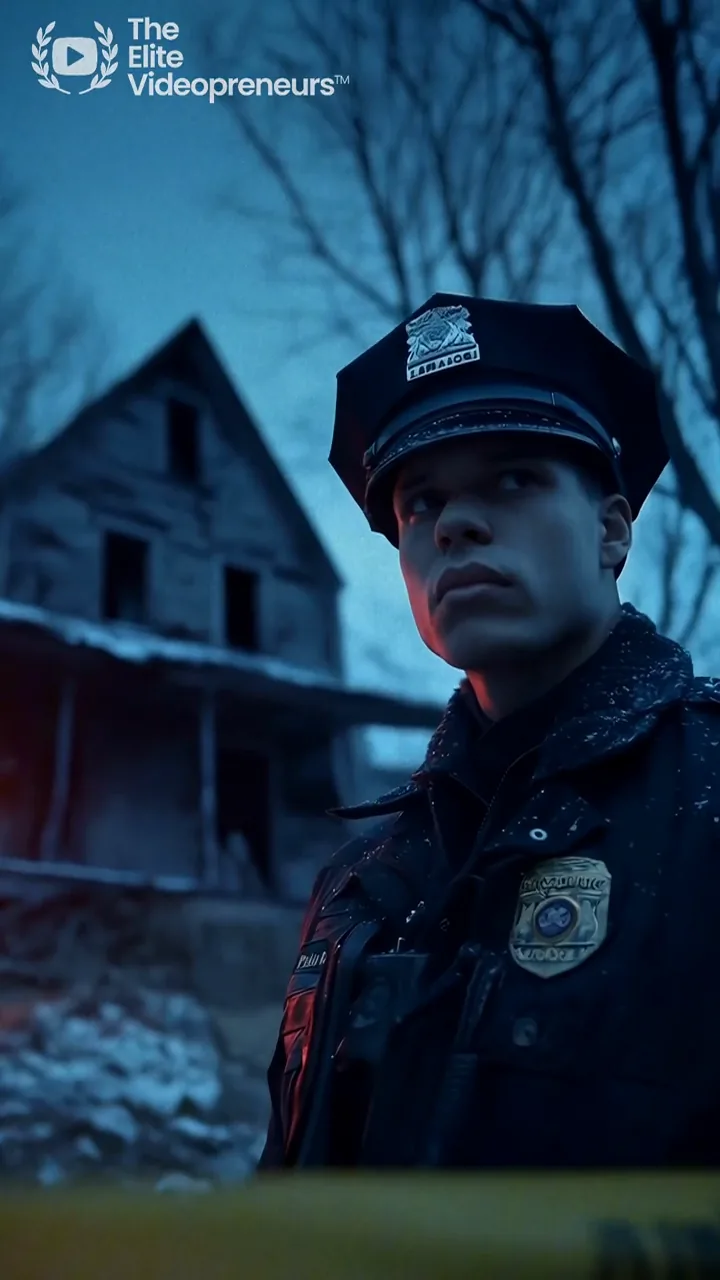
Project classification: Self Initiated Study. Commercial proof: Capability Proof.
This self-initiated project tests a practical storytelling question: how can an AI-assisted short drama feel like one unfolding narrative rather than a collection of disconnected generated scenes?
The project develops a true-crime premise around a witness, an investigating officer, an interrogation, and a sequence of visual clues. The workflow connects story structure, character identity, planned coverage, visual continuity, and final editing into one repeatable production process.
The challenge was not only to keep the officer and witness visually recognizable across locations, lighting conditions, shot sizes, and emotional states. The scenes also needed clear story purpose, enough planned coverage to communicate the investigation, and a steady escalation of suspense within a very short runtime.
Every generated scene needed to support the same narrative rather than simply look cinematic on its own.
I developed the story concept, narrative direction, character system, scene structure, visual language, storyboards, AI-assisted imagery, video scenes, edit, titles, music, and final sound treatment.
The project is presented as a self-initiated portfolio proof piece rather than commissioned client work.
The project began with a compact true-crime premise involving a witness, an investigating officer, and an interrogation. Before generating final scenes, I defined the key characters, central conflict, information reveals, dramatic beats, and scene progression required to make the story readable in a short runtime.
Rather than treating AI generation as the starting point, the story structure determined what each scene needed to communicate, what information should be revealed, and how one beat should lead into the next. Script development in this study focused on the premise, character roles, dramatic progression, and visual scene structure rather than a full screenplay.
Define the premise, story world, genre, key characters, central conflict, audience promise, and question that should keep the viewer engaged.
Map the hook, setup, information reveals, reactions, escalation, and unresolved continuation point before building the visual sequence.
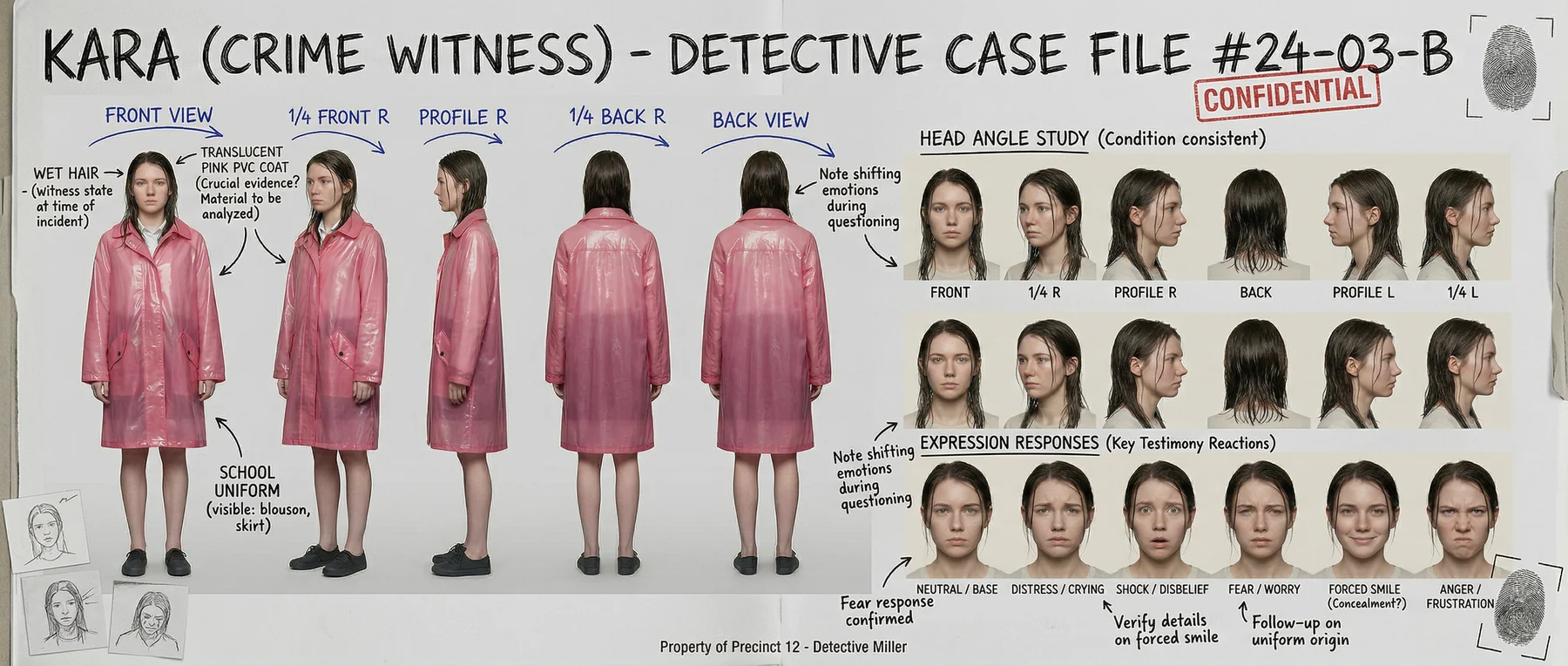
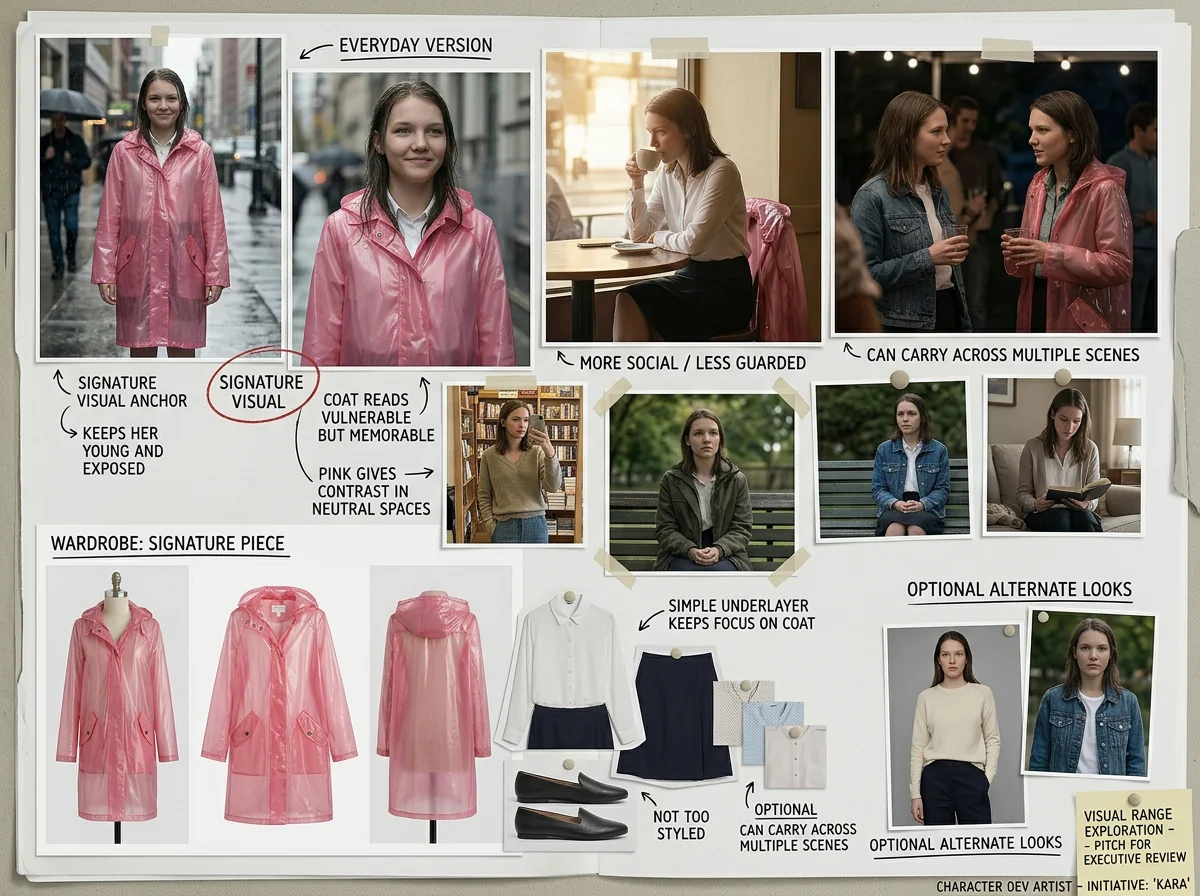
Establish recurring identity, wardrobe, facial traits, emotional states, visual cues, and story roles so the audience can follow the same people across changing scenes.
Translate each narrative beat into purposeful coverage, including masters, reverses, reactions, inserts, close-ups, and environmental details.
Generate and refine the visual material, assemble the short-form narrative, and complete dialogue treatment, music, titles, pacing, sound, and final 9:16 delivery.
Short-form drama has very little time to establish a situation and create curiosity. Each scene therefore needs to introduce information, change the audience's understanding, raise the stakes, or create a reason to continue.
The teaser uses clues, reaction shots, interrogation tension, environmental details, and withheld information to build momentum rather than relying only on cinematic imagery.
The same structure can scale into episodic storytelling, where each short segment ends with a reveal, decision, new problem, or cliffhanger that leads naturally into the next episode. This project demonstrates the development approach without presenting the teaser as a completed episodic series.
The officer and witness were developed as recurring story characters whose identity, wardrobe, emotional state, and relationship to the environment remain readable across locations, lighting, actions, and shot sizes.
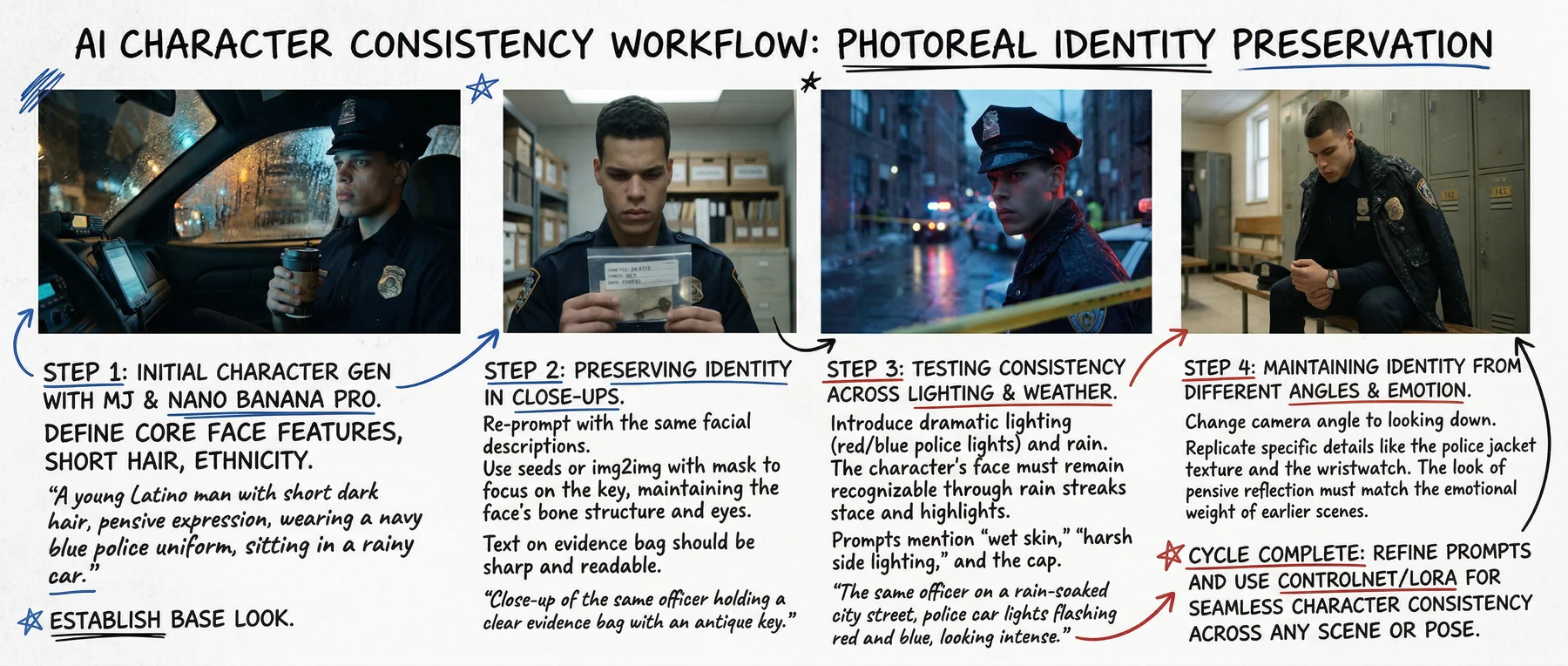
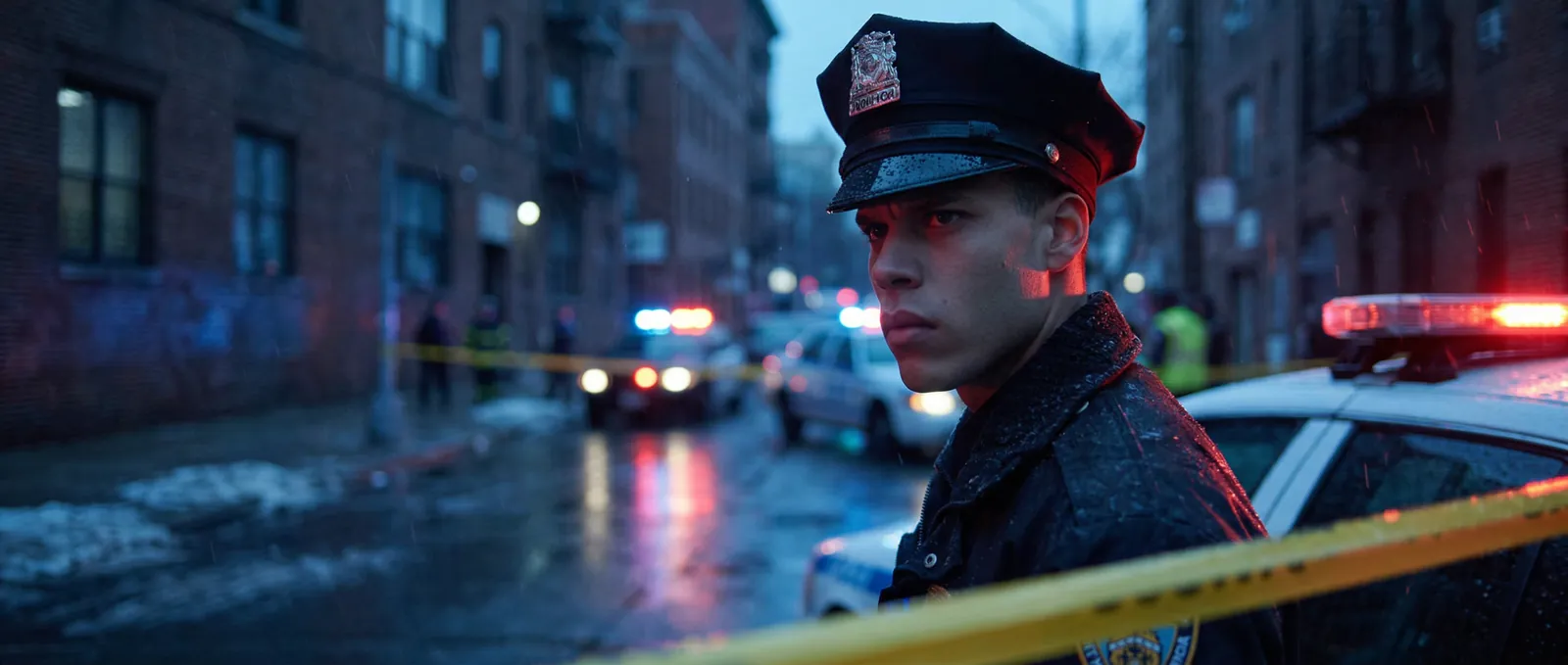
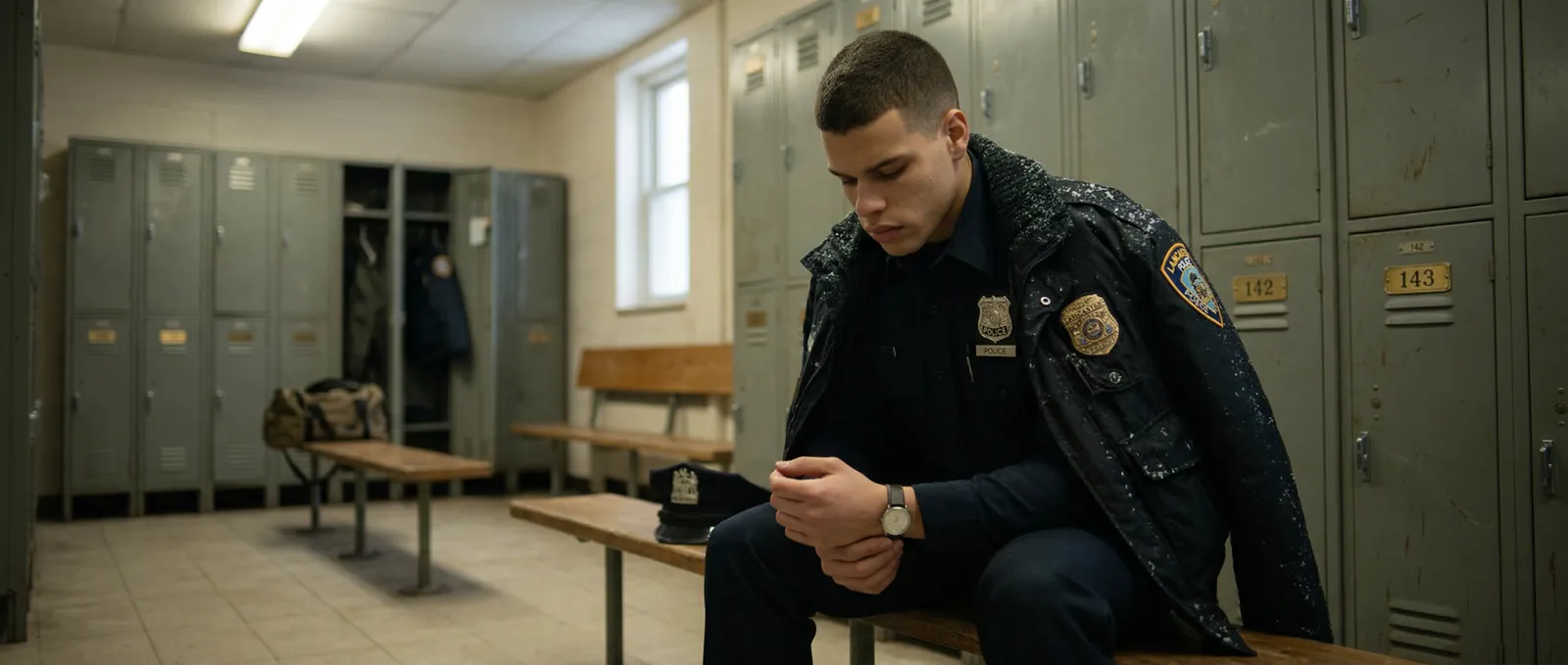
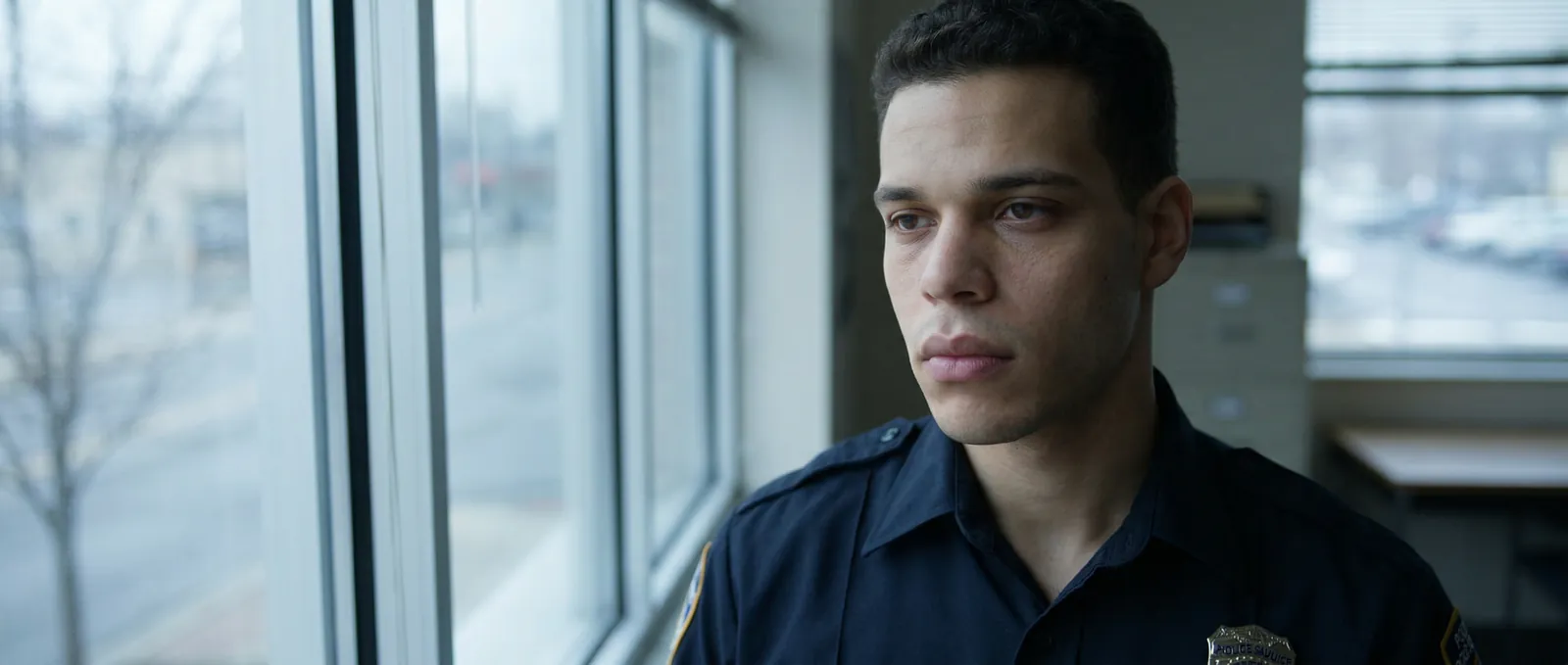
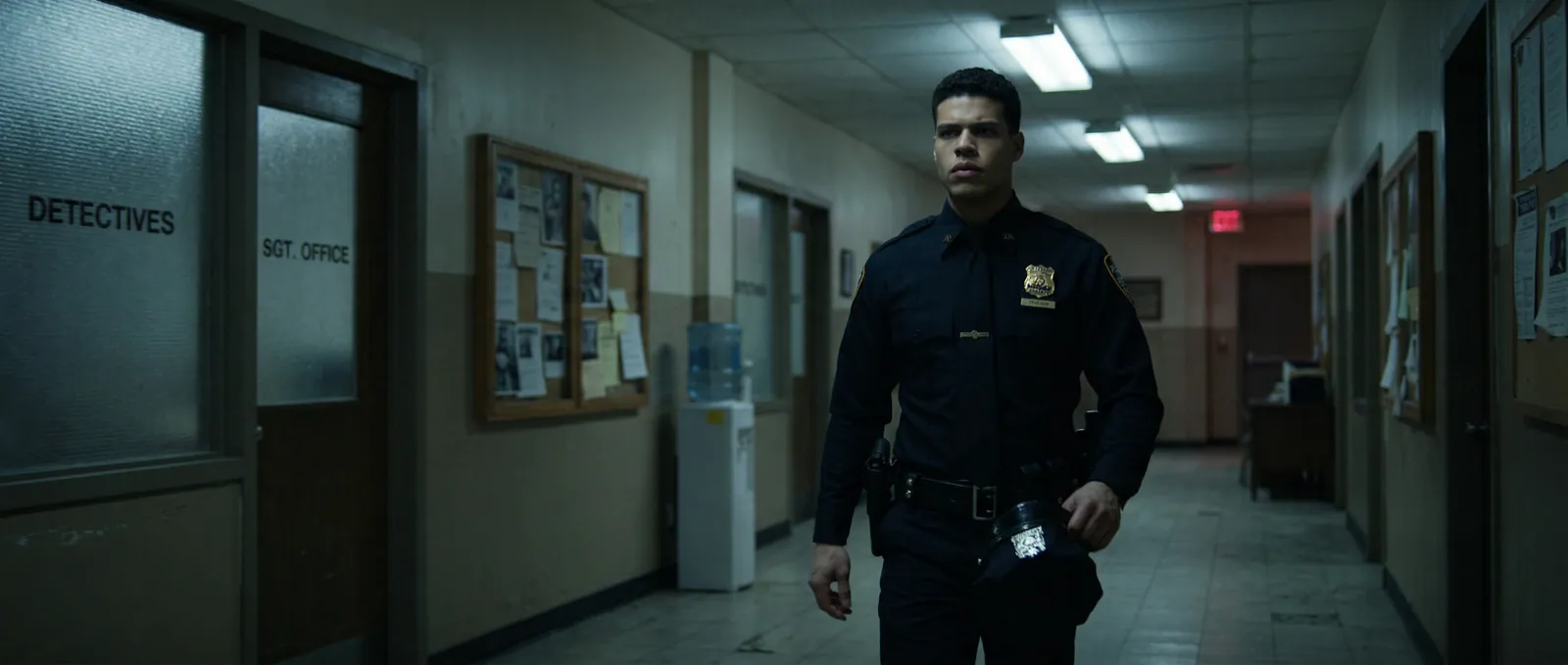
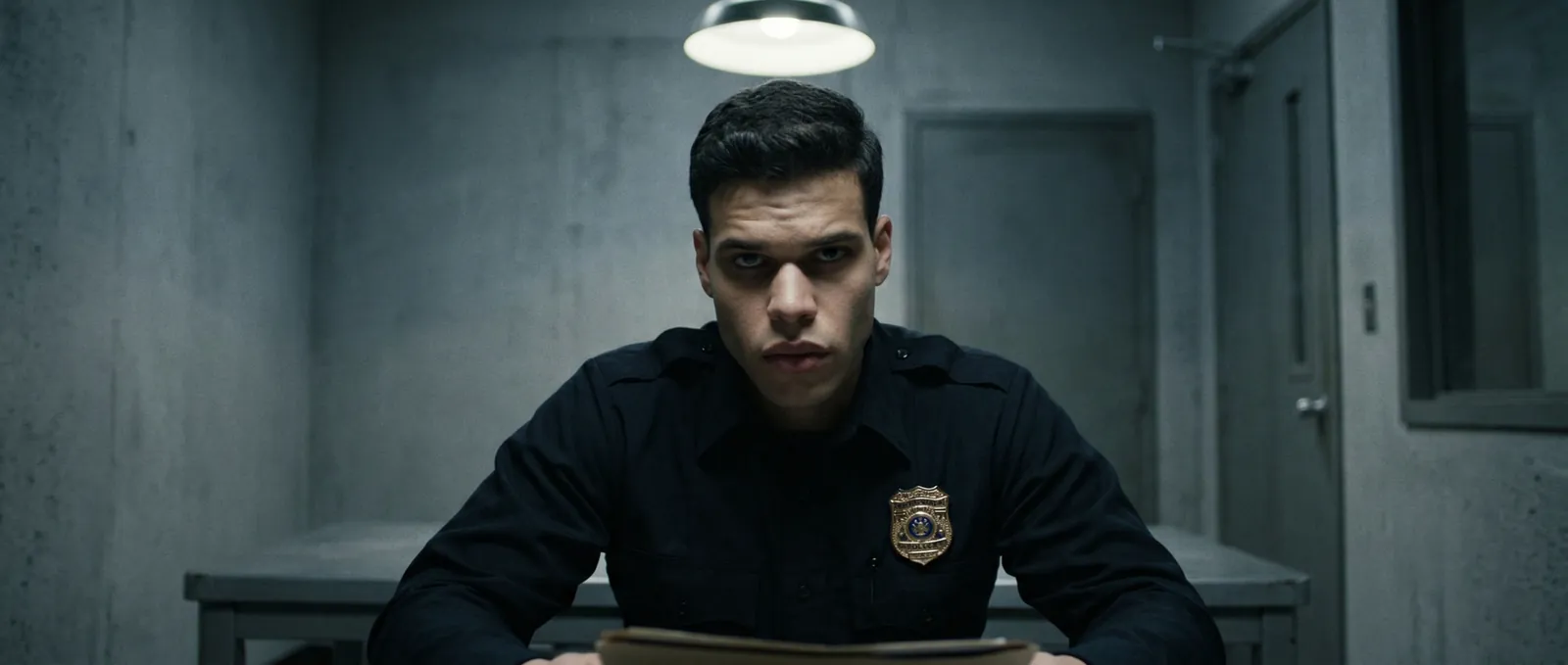
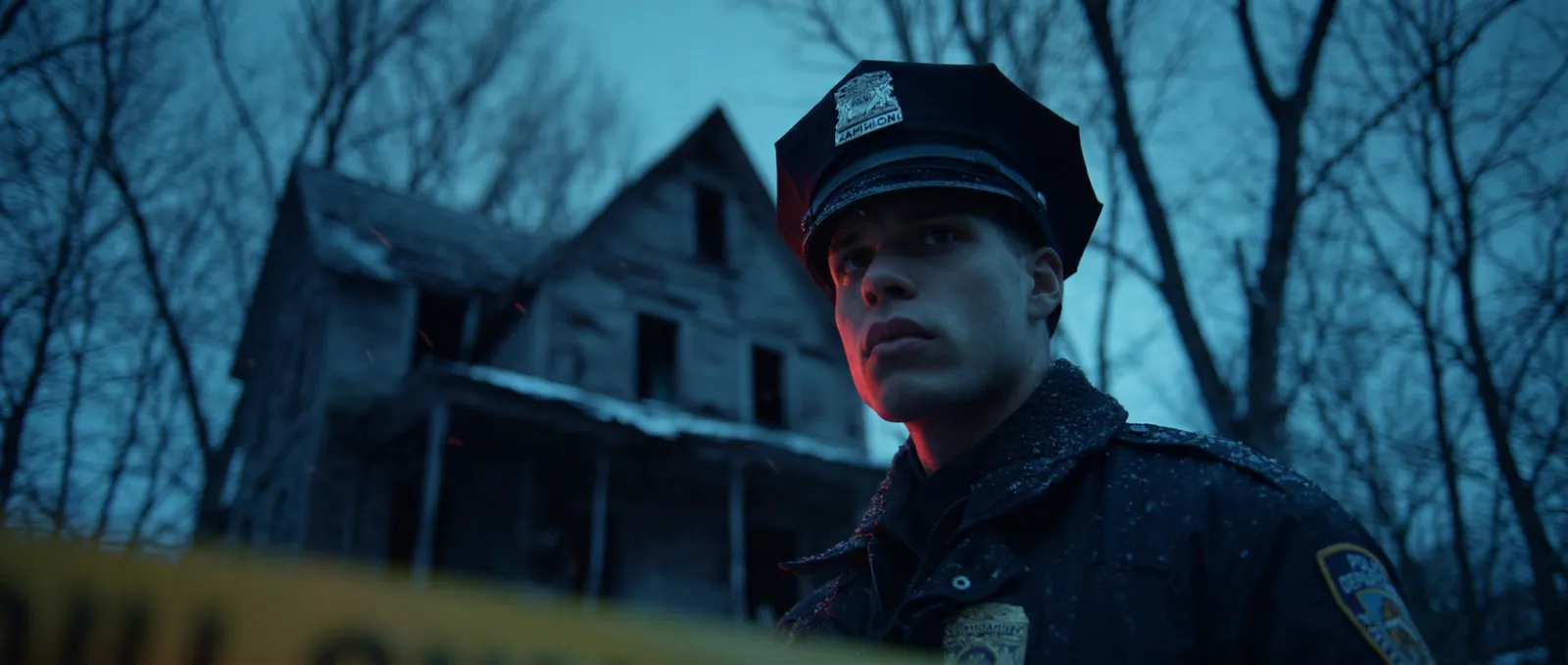
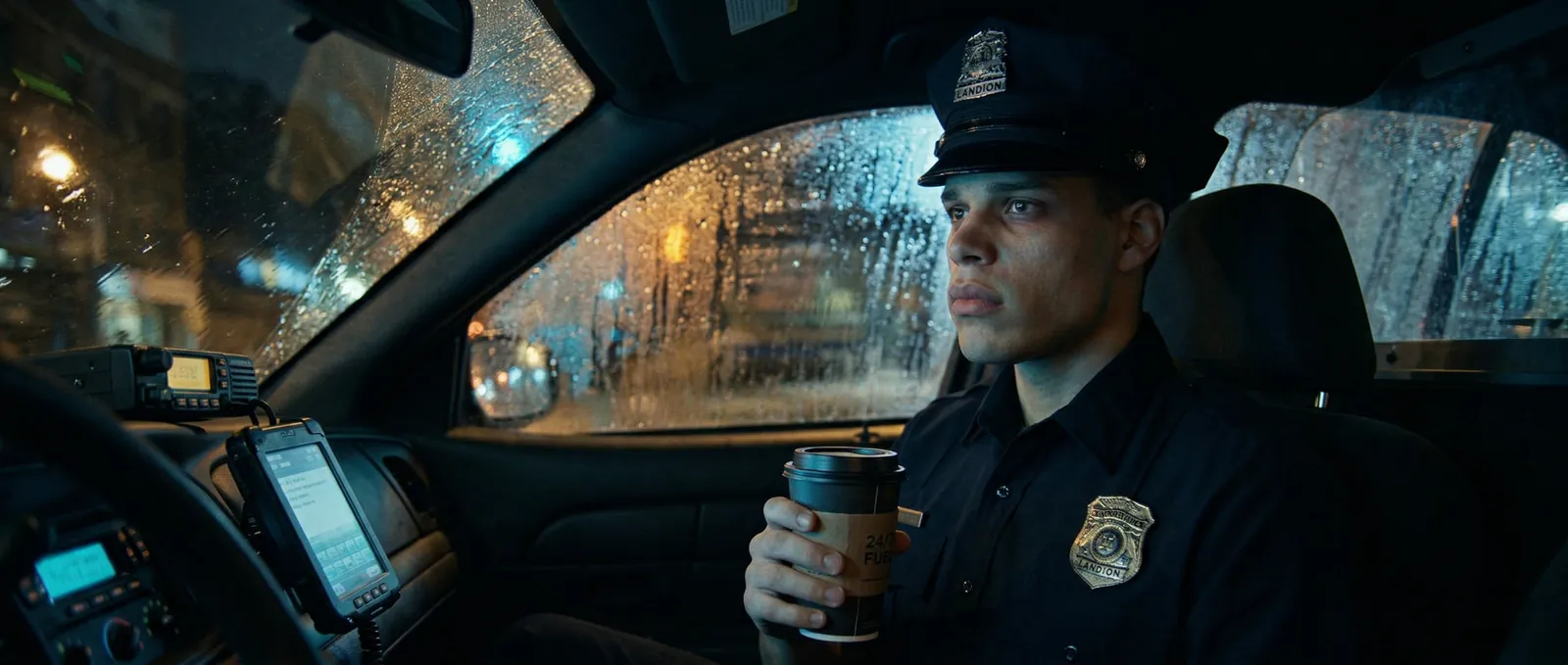
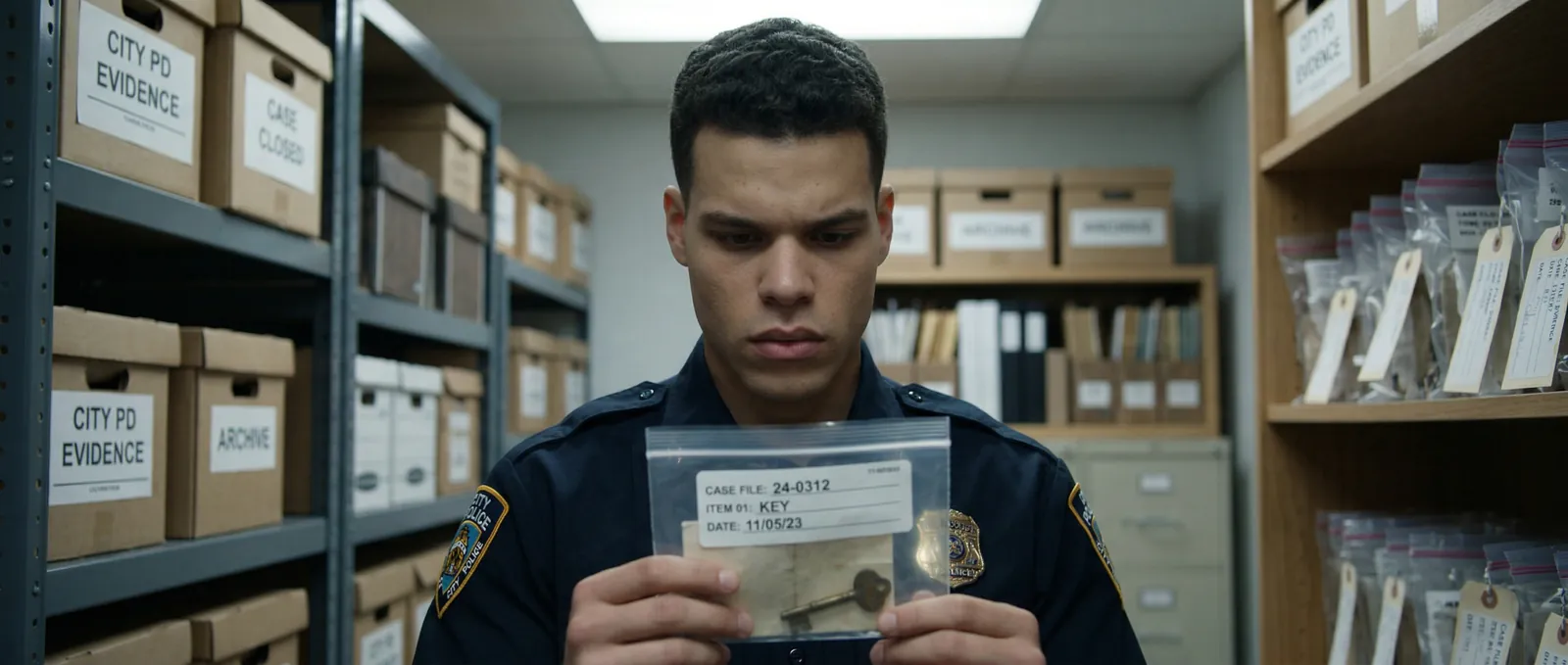
Character references were translated into narrative situations, emotional states, and cinematic environments that move from vulnerability and suspicion to evidence discovery and interrogation tension.
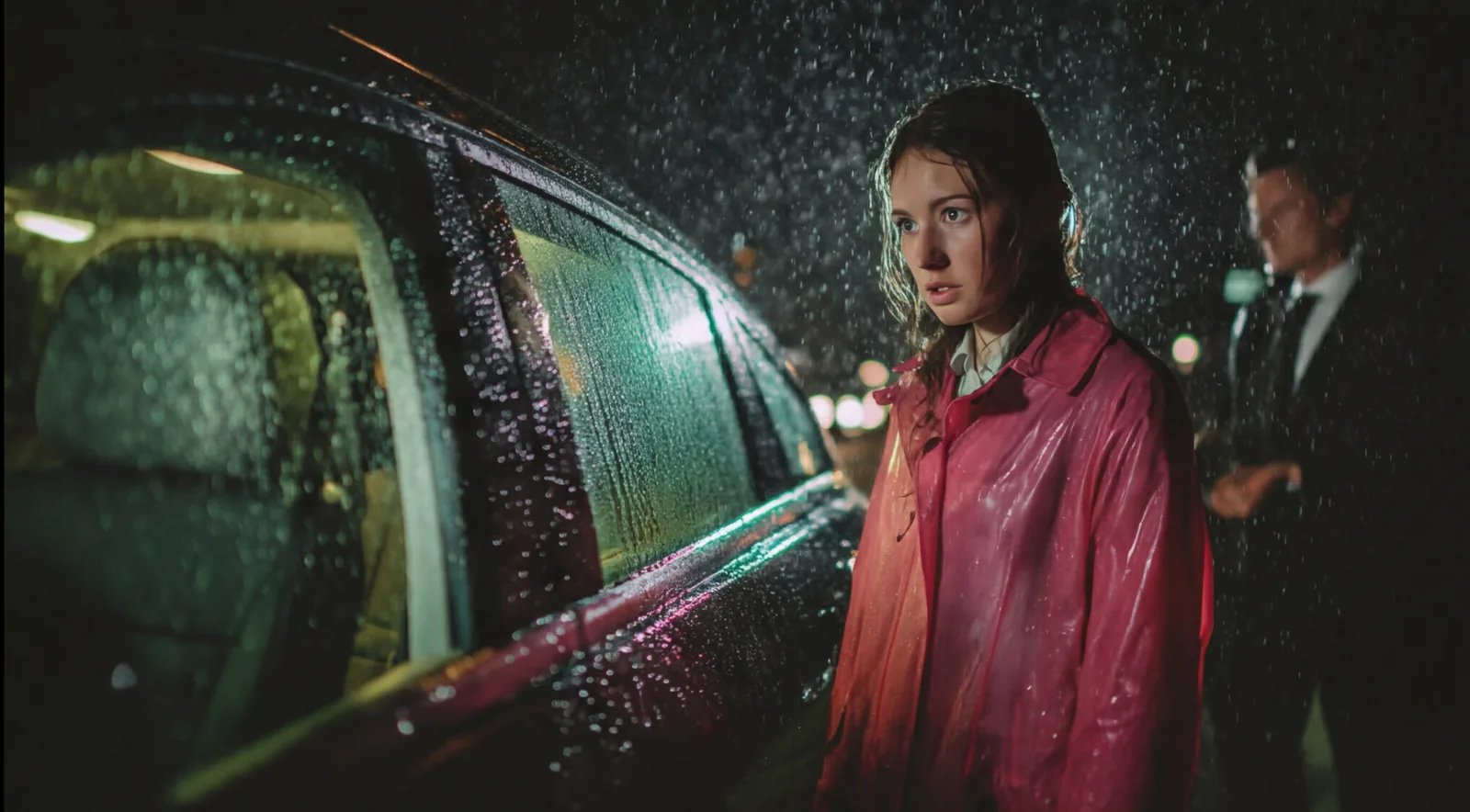
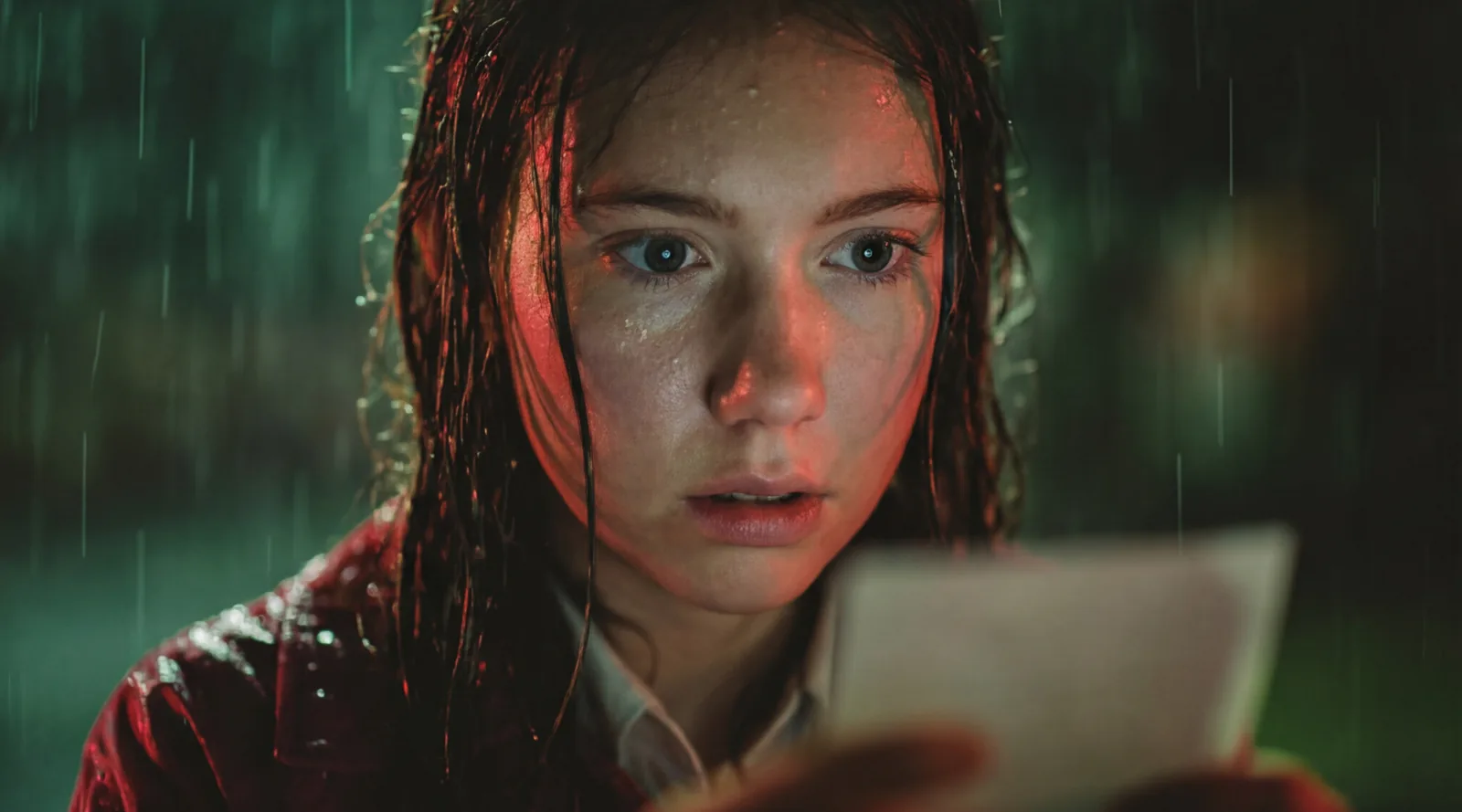
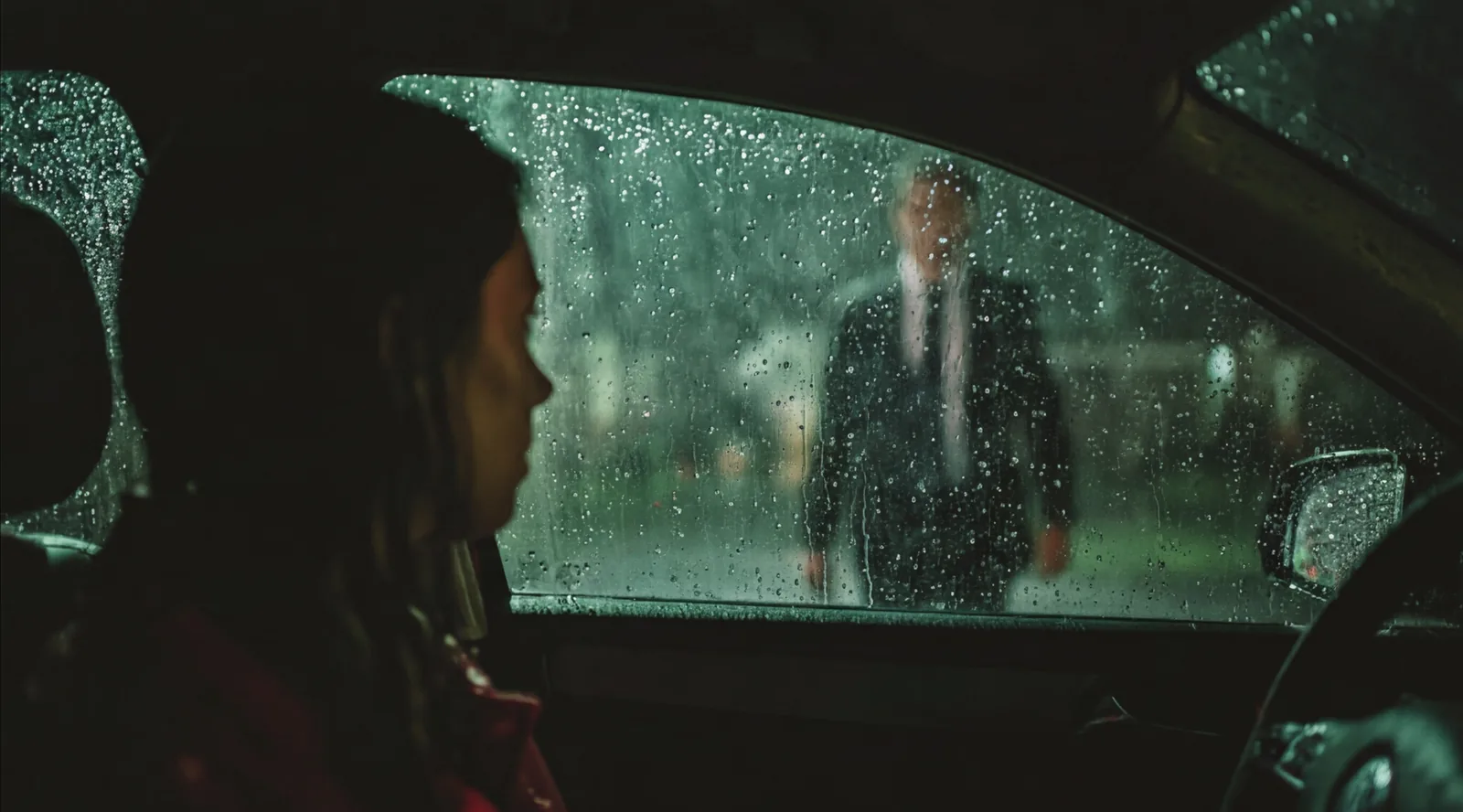
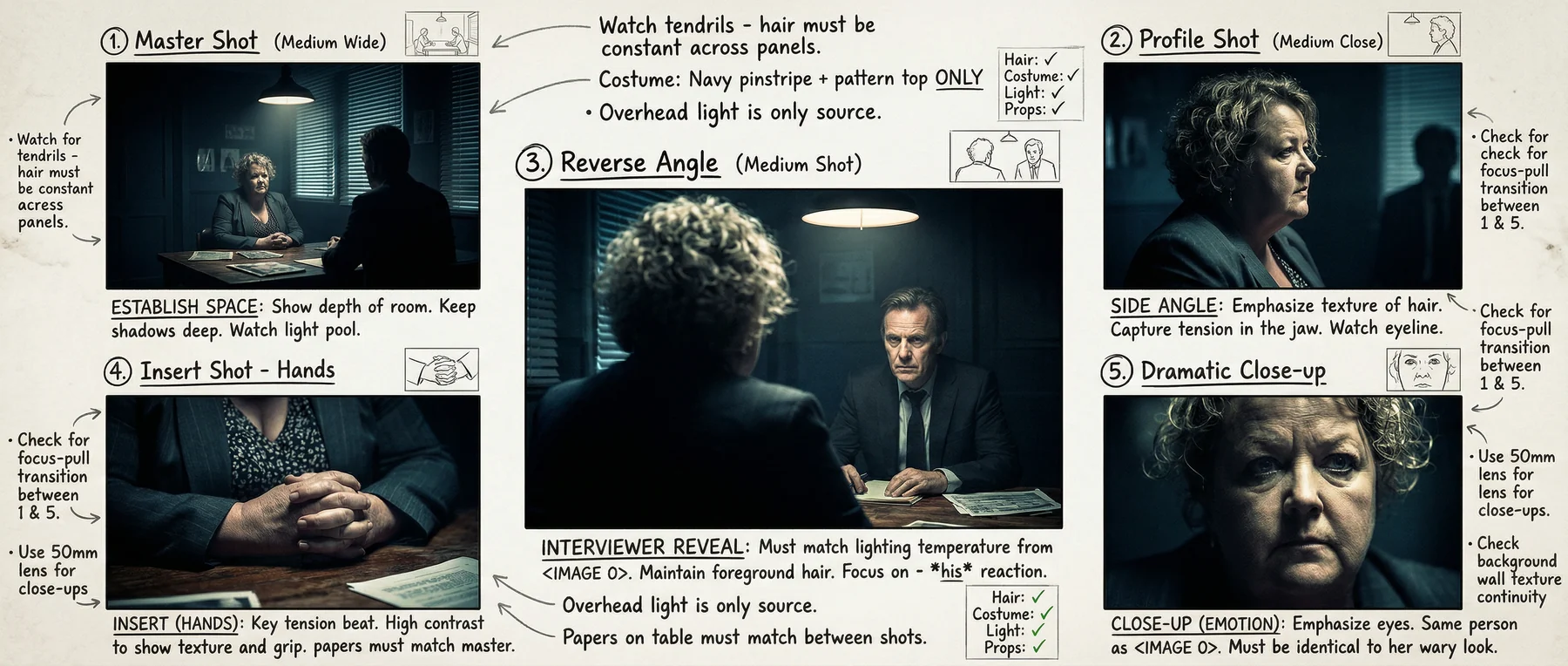
The interrogation was broken into a sequence of planned shots based on story purpose rather than visual variety alone. The coverage includes a master setup, reverses, close-ups, reactions, and inserts that can reveal information and increase psychological tension.
This coverage board translates the interrogation into purposeful masters, reverses, inserts, reactions, and close-ups that can reveal information and increase psychological tension.
The final outputs bring the story concept, character development, planned coverage, dramatic beats, and visual direction together in motion. The 35.6-second vertical teaser tests fast short-form narrative escalation, while the 21.7-second cinematic sequence focuses on officer continuity, atmosphere, and visual tension.
9:16 Vertical AI Short Drama Teaser
35.6 seconds
A compact vertical short drama connecting the witness, police investigation, interrogation, and officer storyline through suspense-led pacing, visual clues, and escalating narrative tension.
The 9:16 teaser demonstrates how the narrative system can be condensed into a mobile-first format where viewers need to understand the characters, situation, and tension within seconds.
The same workflow can scale into longer vertical drama episodes or episodic microdramas by extending the story beats, character relationships, and continuation points. The production method stays grounded in short-form entertainment clarity: establish the situation quickly, make each shot carry information, and end on a reason to keep watching.
Story concept, script development, character roles, dramatic beats, scene planning, storyboarding, and final AI-assisted production.
Mobile-first stories designed around fast hooks, clear character motivation, escalating conflict, reveals, and continuation points.
Recurring character identity, wardrobe, emotional state, relationships, and visual continuity across AI-generated scenes.
A connected workflow from story idea and scene breakdown through storyboard, AI generation, editing, dialogue or voice treatment, music, and sound.
Story-led entertainment where a game, product, feature, player experience, or branded element becomes part of the character's situation rather than interrupting the narrative.
The same story-first workflow can be applied to gaming and branded entertainment. A game mechanic, product feature, sports moment, reward, player behavior, or user experience can become part of a character's conflict, decision, reveal, or payoff.
Instead of stopping the story for a conventional product message, the branded or gaming element can be written into the narrative so it helps move the scene forward.
This approach is suited to short-form entertainment, vertical microdramas, social series, game cinematics, branded narratives, and episodic content built around recurring characters. This project was not created for a gaming brand; it demonstrates a transferable narrative-production workflow.
The finished study connects story development, character development, visual continuity, scene planning, storyboarding, AI generation, editing, and sound into one traceable production path.
The final project includes character-development boards, officer continuity studies, witness development, cinematic scene explorations, interrogation storyboards, and two finished AI narrative videos.
The project demonstrates a complete short-drama development workflow from story concept and character design through scene planning and final AI-assisted video production.
Send the premise, intended audience, format, runtime, and visual references. I can help shape the story, characters, dramatic beats, scene breakdown, visual direction, and AI-assisted production through final delivery.