Raffy's production responsibilities
- Storyboarding through Flux and Midjourney
- Character design and animation through Google AI tools and Seedance 2.0
- Visuals, sound design, editing, and post-production through Flux and CapCut
SCRIPT-TO-SCREEN AI NARRATIVE / NEON-NOIR CRIME THRILLER
Cinematic AI Narrative Development, Character Design, World Building, Storyboarding and Proof-of-Concept Production
From a competitive paid trial to a $6,050 client engagement and five-minute narrative proof of concept.
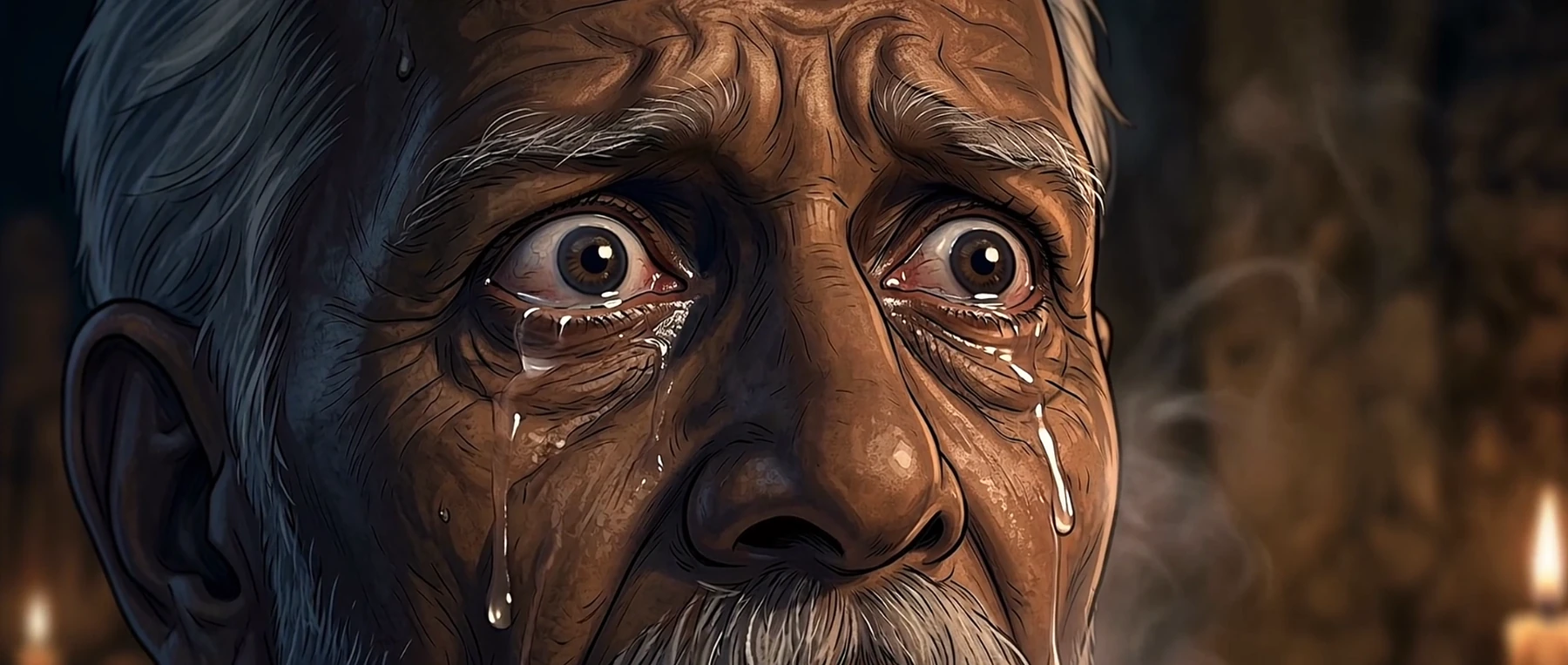
Project classification: Paid Client Engagement. Commercial proof: Commercial Client Proof.
A funded style-frame and motion test evaluated alongside two other shortlisted candidates.
An approved 30-second concept expanded through focused revisions into the final teaser shown here.
Seven connected scenes developed for studio-facing evaluation, represented here through selected final frames and credits.
The completed public contract value after the trial, teaser, proof of concept, revisions, and delivery.
The God Killer follows two Los Angeles detectives investigating a serial killer targeting religious leaders across a neon-drenched city. The visual direction combined classic noir, selective color, sacred spaces, graphic violence, restrained limited animation, and an atmosphere shaped by fog, smoke, shadow, and uneasy silence.
The initial brief called for a 30-second festival teaser that could still work without sound. Writer-director Nelson Clark supplied the screenplay, character material, production notes, music, voice references, and the context for a four-episode concept. Raffy's role was to interpret that written material for screen without blurring the authorship distinction.
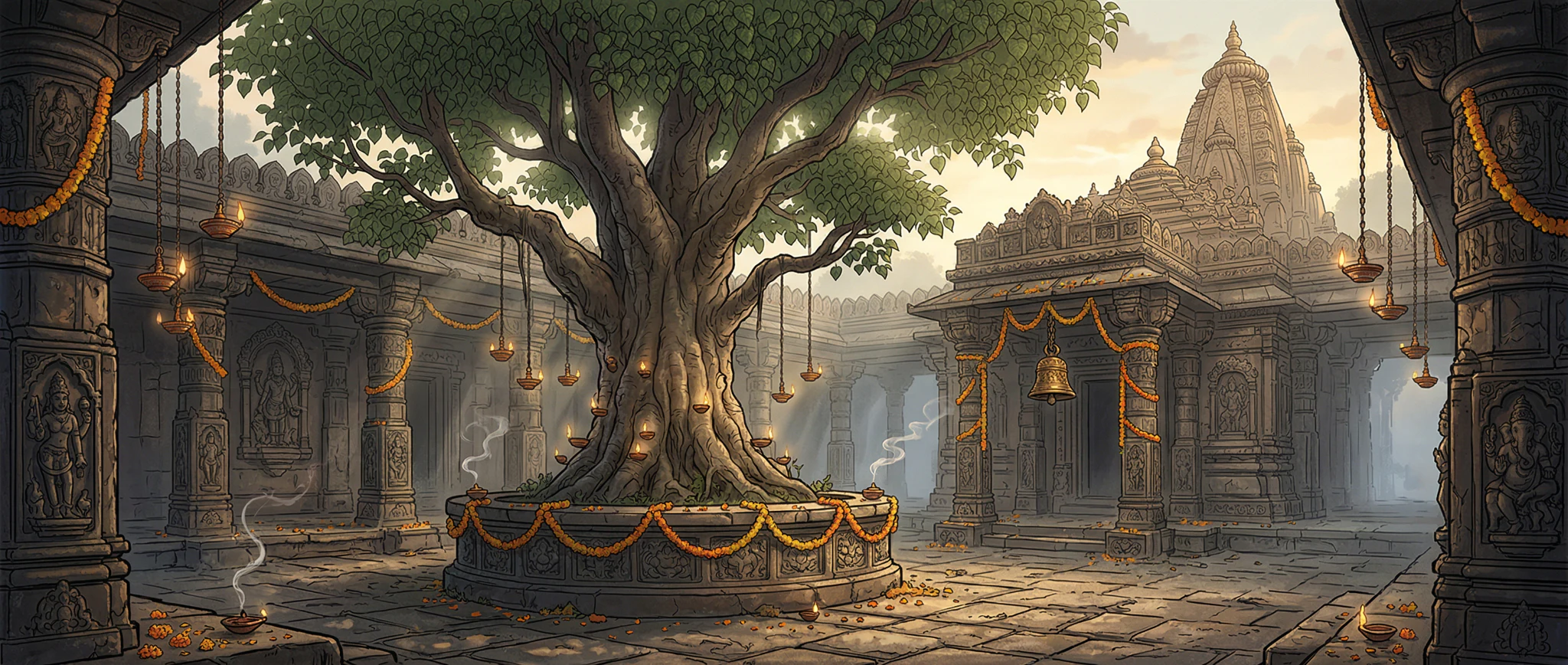
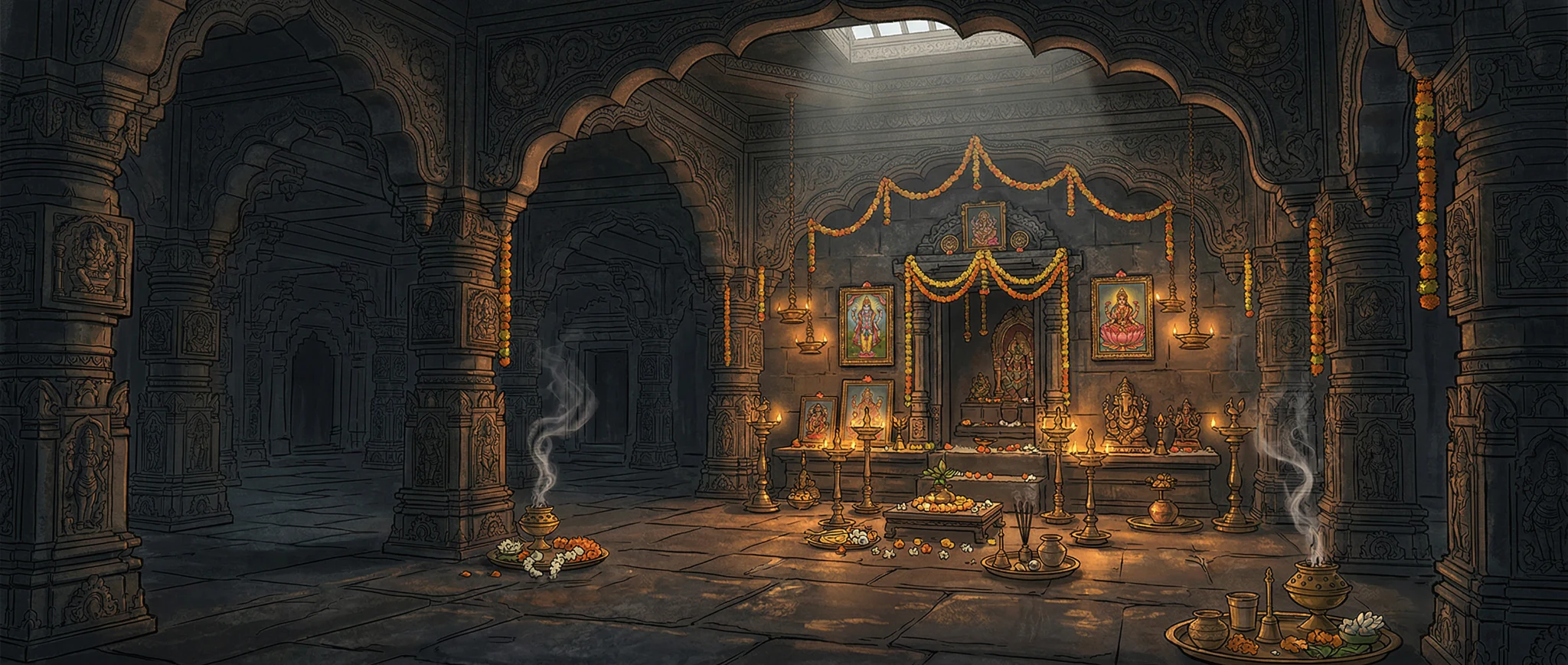
The production required recurring characters, repeatable locations, dialogue coverage, investigation beats, and a coherent visual language across the teaser and longer narrative sequence. Religious locations needed to feel sacred before they felt like crime scenes, while deep blacks, wet surfaces, fog, smoke, and selective color sustained the neon-noir tension.
The screenplay provided the dramatic foundation. Raffy's production role was to turn written beats into visual scenes that could be understood, staged, generated, animated, and edited.
That meant identifying each scene's purpose, deciding what information the audience needed to see, breaking dialogue into workable coverage, and defining entrances, reactions, eye-lines, blocking, inserts, evidence shots, locations, transitions, and escalation. The goal was a connected narrative, not a collection of isolated generated images.
Full-resolution production sheets establish recurring identity, wardrobe, grooming, expression range, props, and lighting references across connected narrative scenes. Open any board to inspect its production notes.
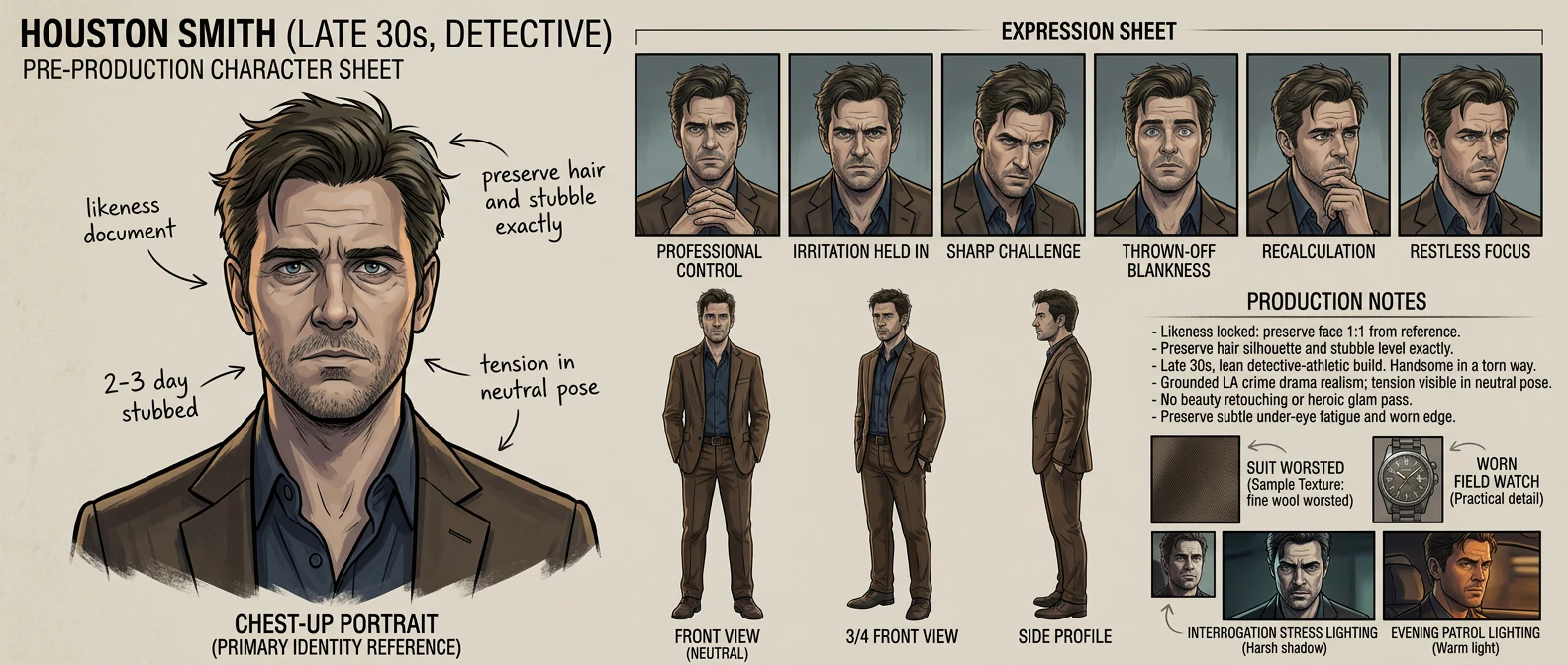
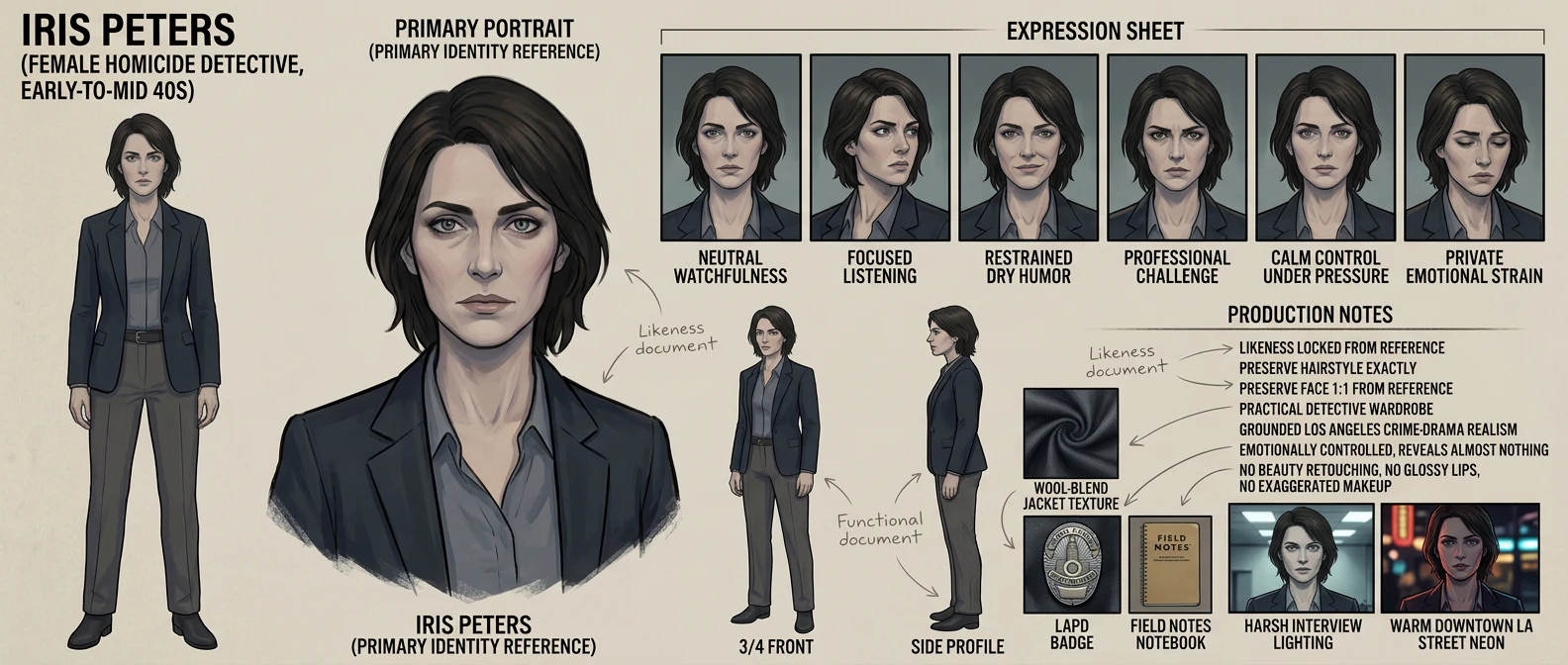
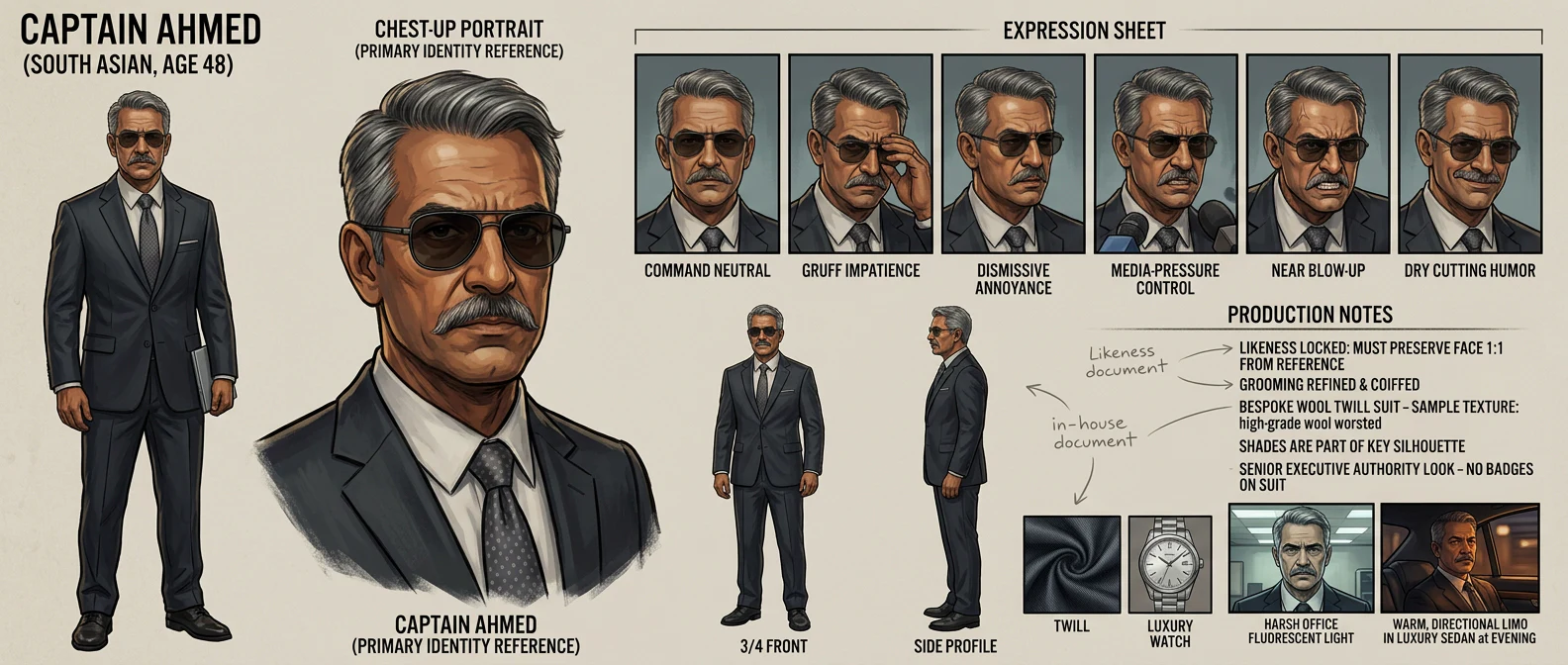
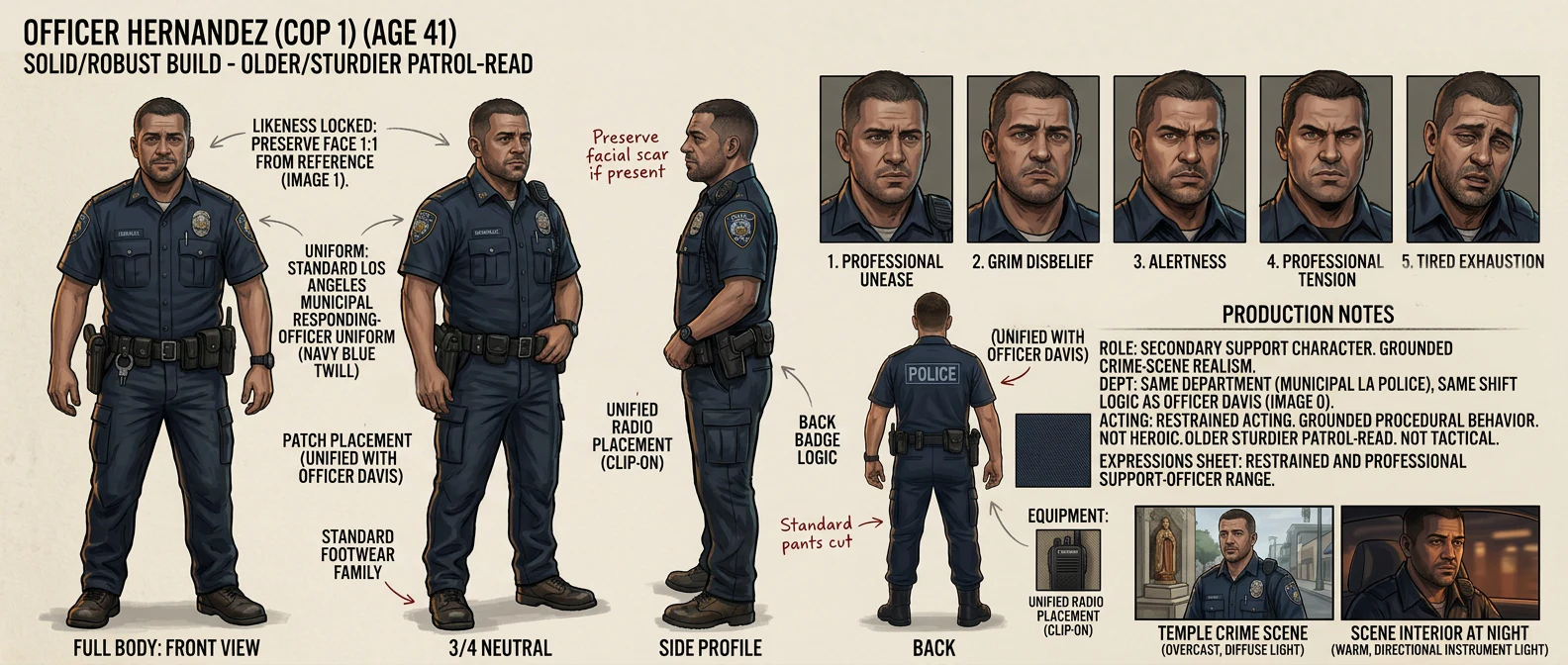
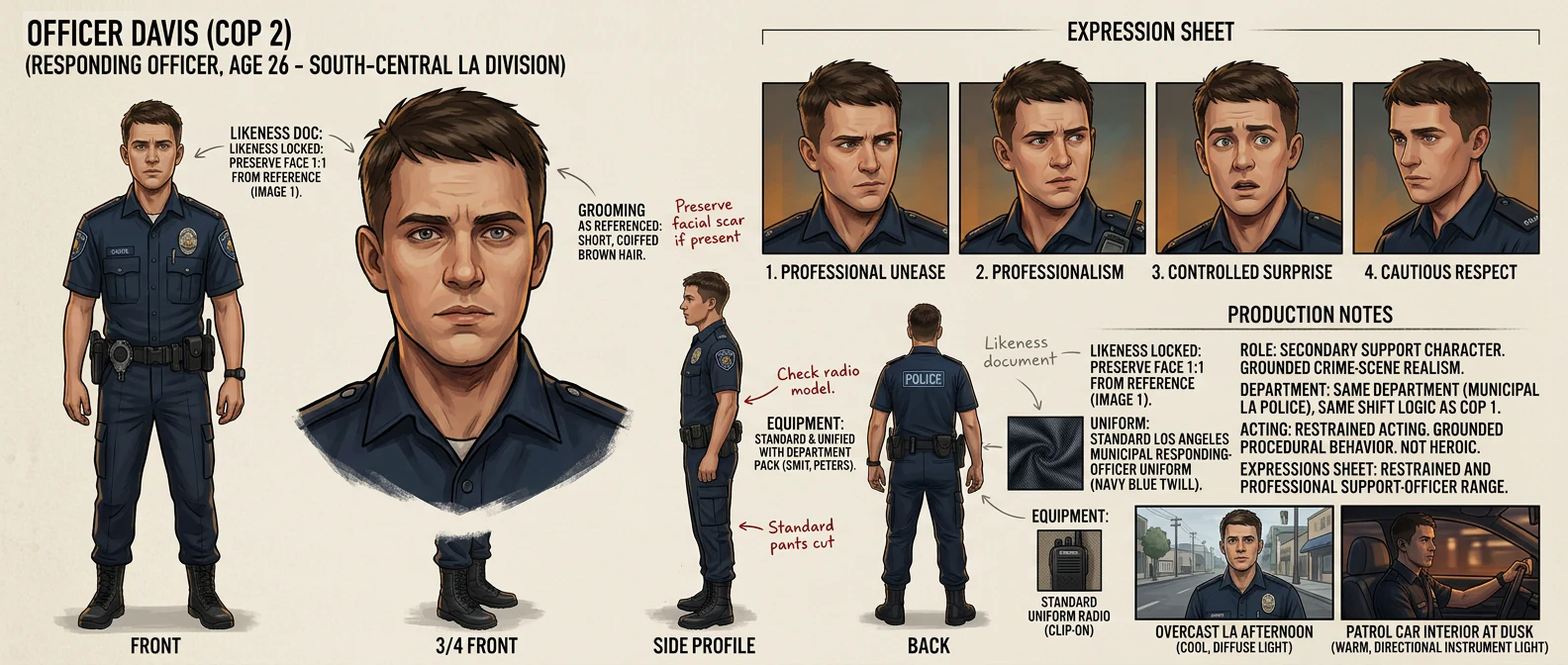
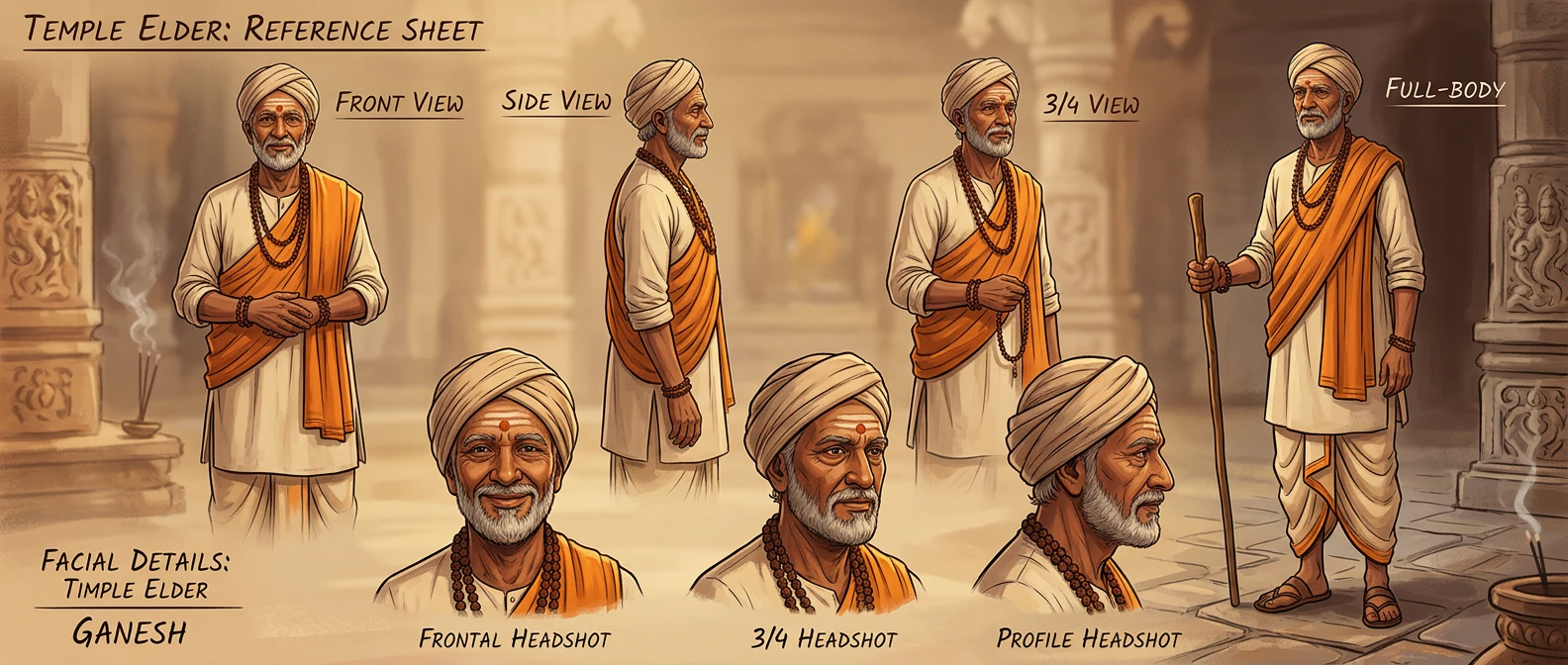
Repeatable temple locations support story geography, sacred atmosphere, investigation staging, and continuity between exterior, ritual, and secondary interior scenes.
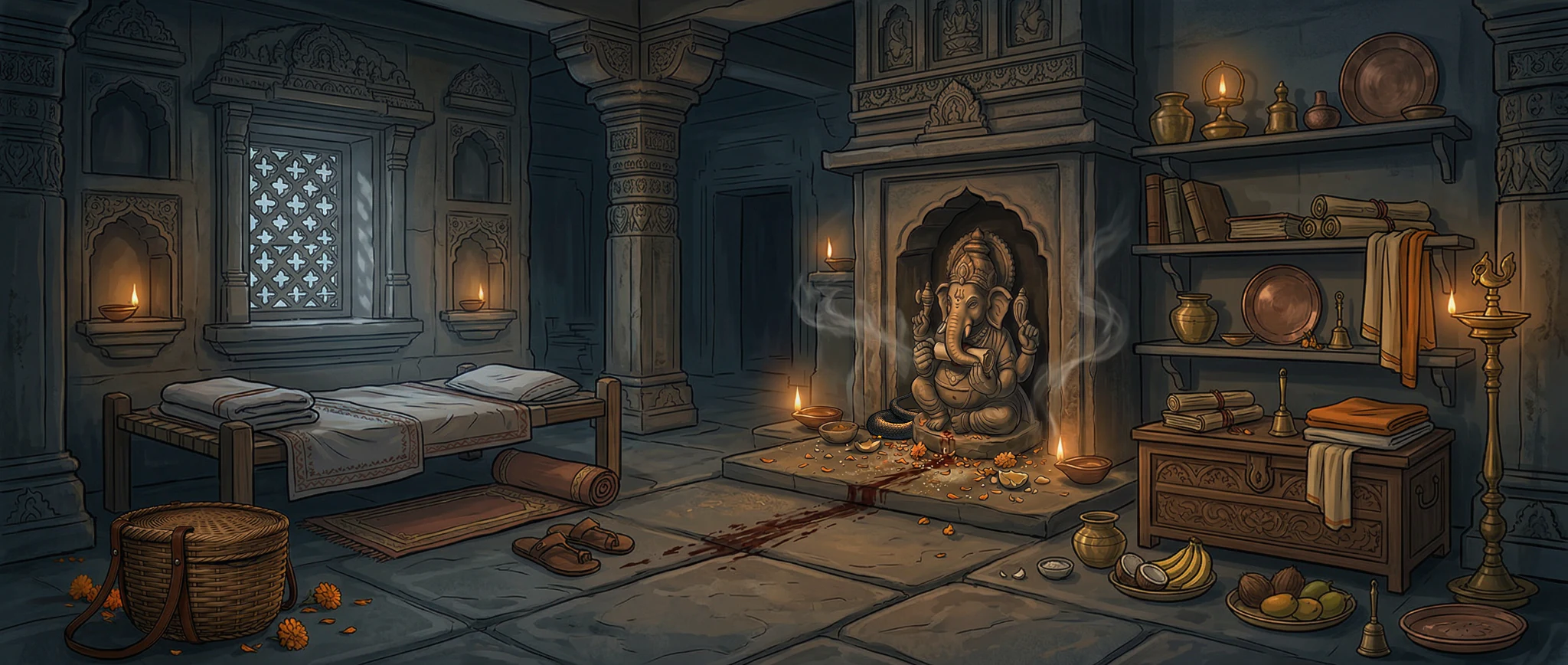
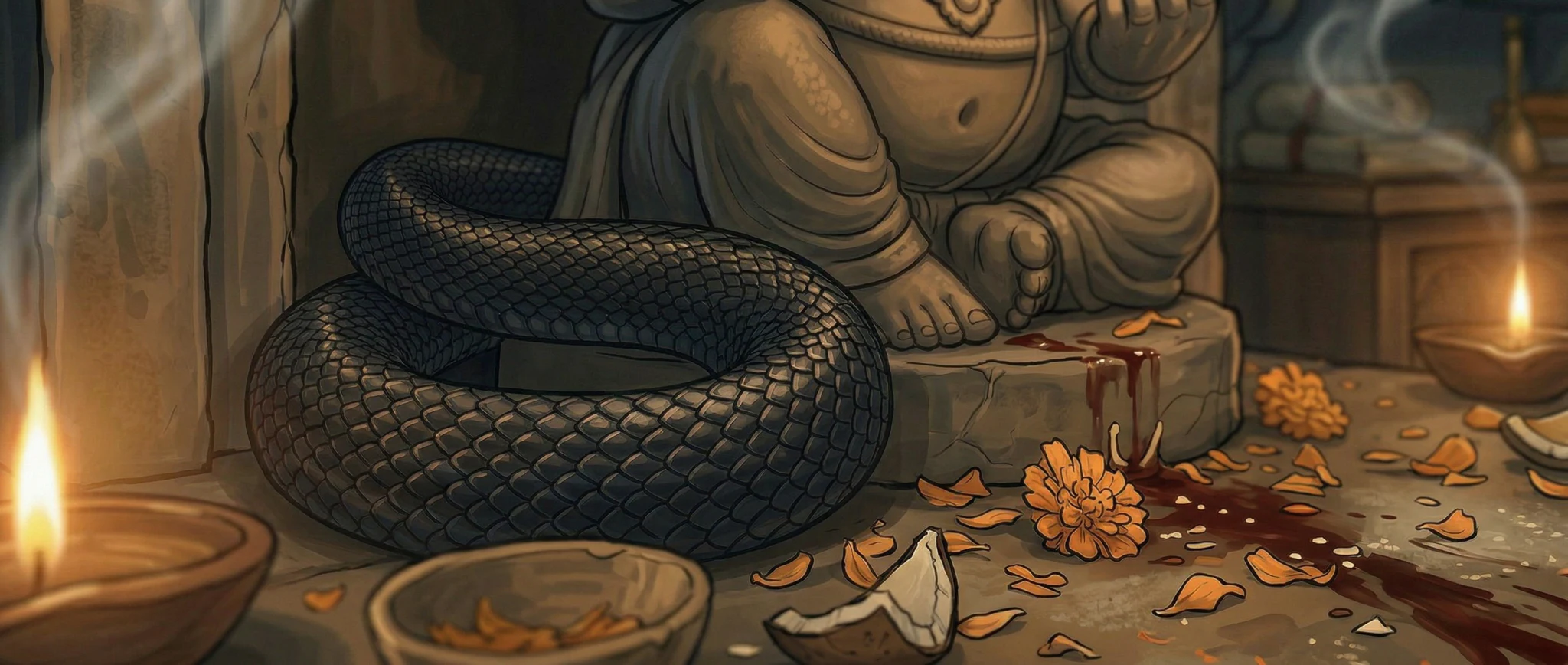
Story-specific inserts turn ritual objects, clues, and crime-scene details into information the edit can reveal, withhold, and return to as the investigation develops.
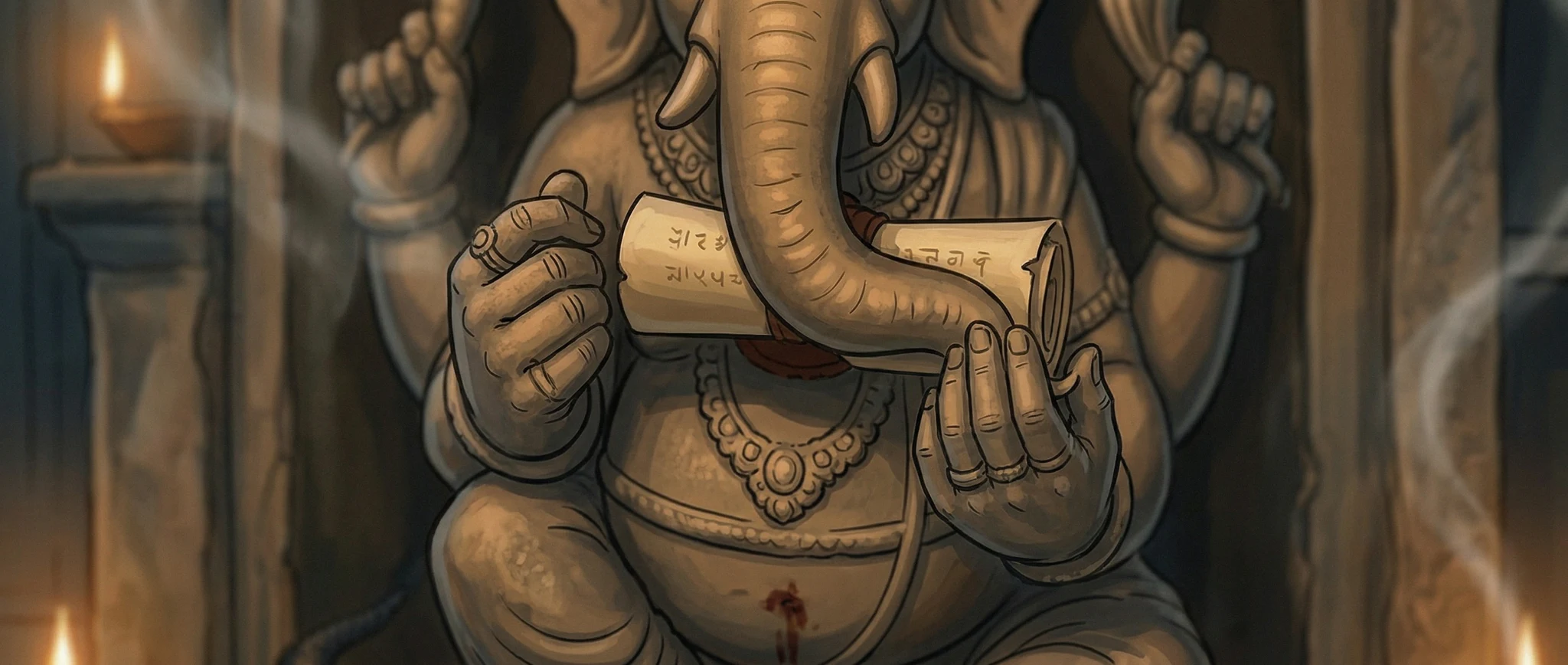
The teaser was built around an escalating reveal rather than a montage of unrelated shots. It establishes Los Angeles and the investigators, moves into the sacred setting, reveals the crime, introduces evidence, widens the mystery, and lands the title after the audience has enough information to want the next scene.
The initial funded teaser was planned at 30 seconds. Its first version was approved, then expanded through focused revisions into the final 47-second cut so the hook, clue placement, suspense escalation, title, and studio identity had room to land. Refinements included a stronger Los Angeles establishing shot, clearer cold-blue and warm-amber separation, subtle blood integration, an additional Iris Peters crime-scene moment, more space for the end title, voice-box experimentation, music, effects, and final sound design.
After the teaser, the client commissioned a longer proof of concept rather than a conventional 60-second follow-up. The work expanded into seven connected scenes with dialogue, character interaction, investigation beats, a cobra sequence, subtitles, studio branding, and end credits.
Longer scenes were broken into dramatic beats, character actions, reveals, reactions, and planned coverage before final assembly. Connected shots needed to preserve character identity, story geography, spatial relationships, and temporal flow. Dialogue coverage, expressions, pauses, glances, evidence inserts, and reaction shots then carried changes in power, discovery, subtext, and suspense across the edit.
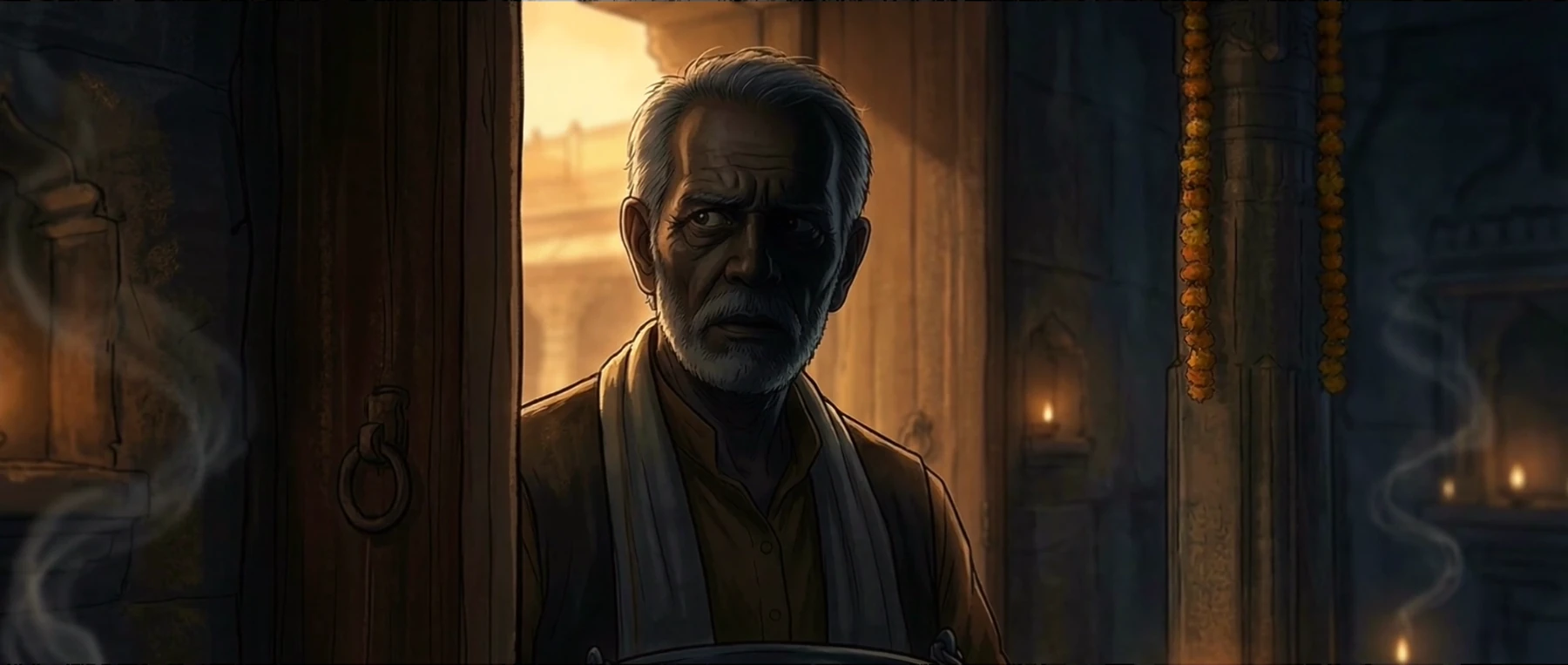
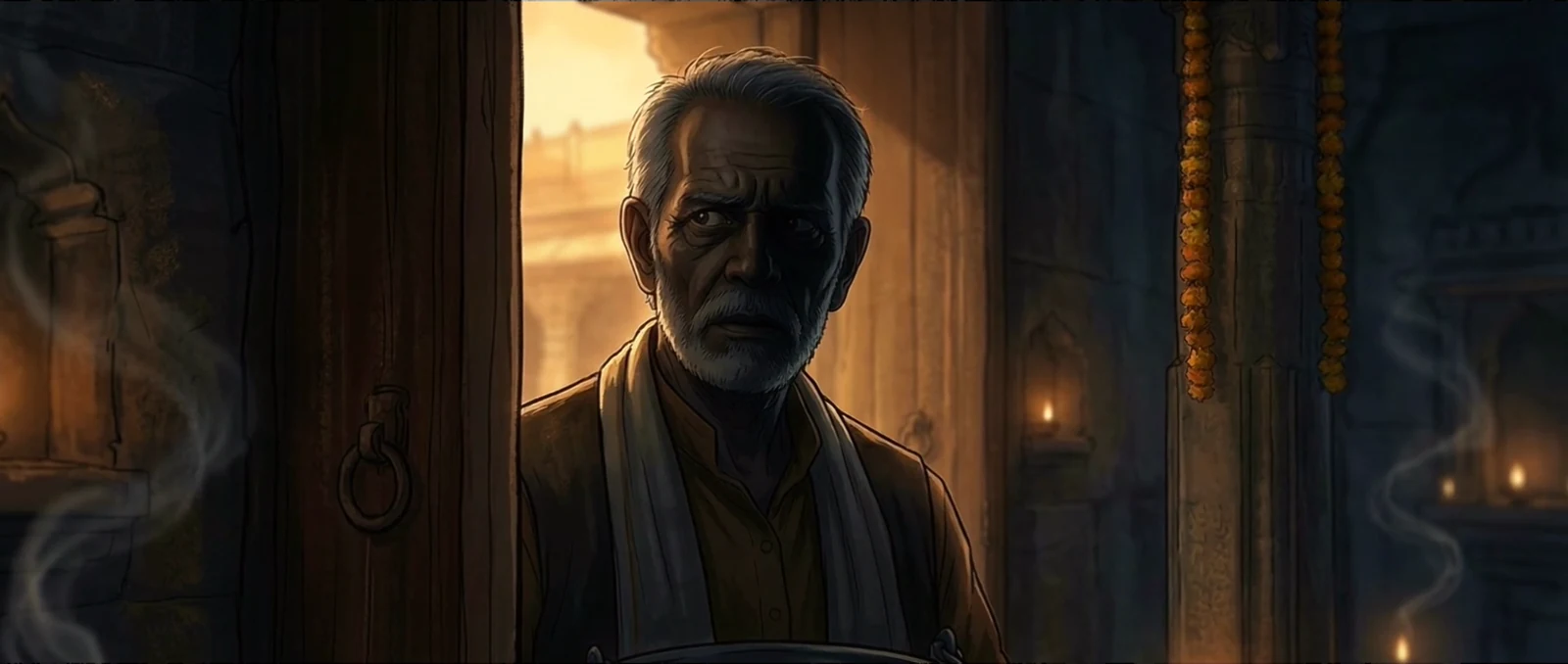
The sequence developed through dialogue setup, the investigation and altar section, and the final cobra sequence. These eight selected frames represent the finished approximately five-minute proof of concept in narrative order. The complete proof-of-concept video is not presented as a player on this page.
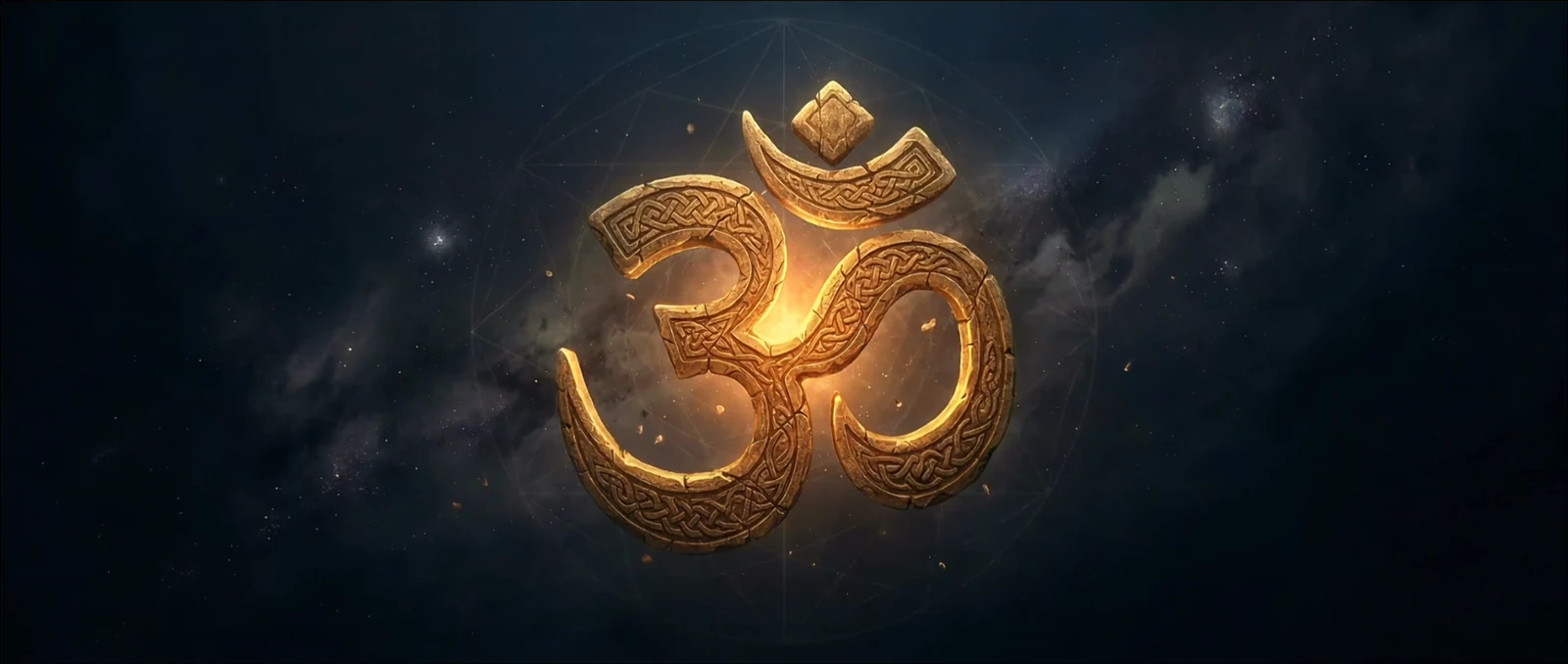
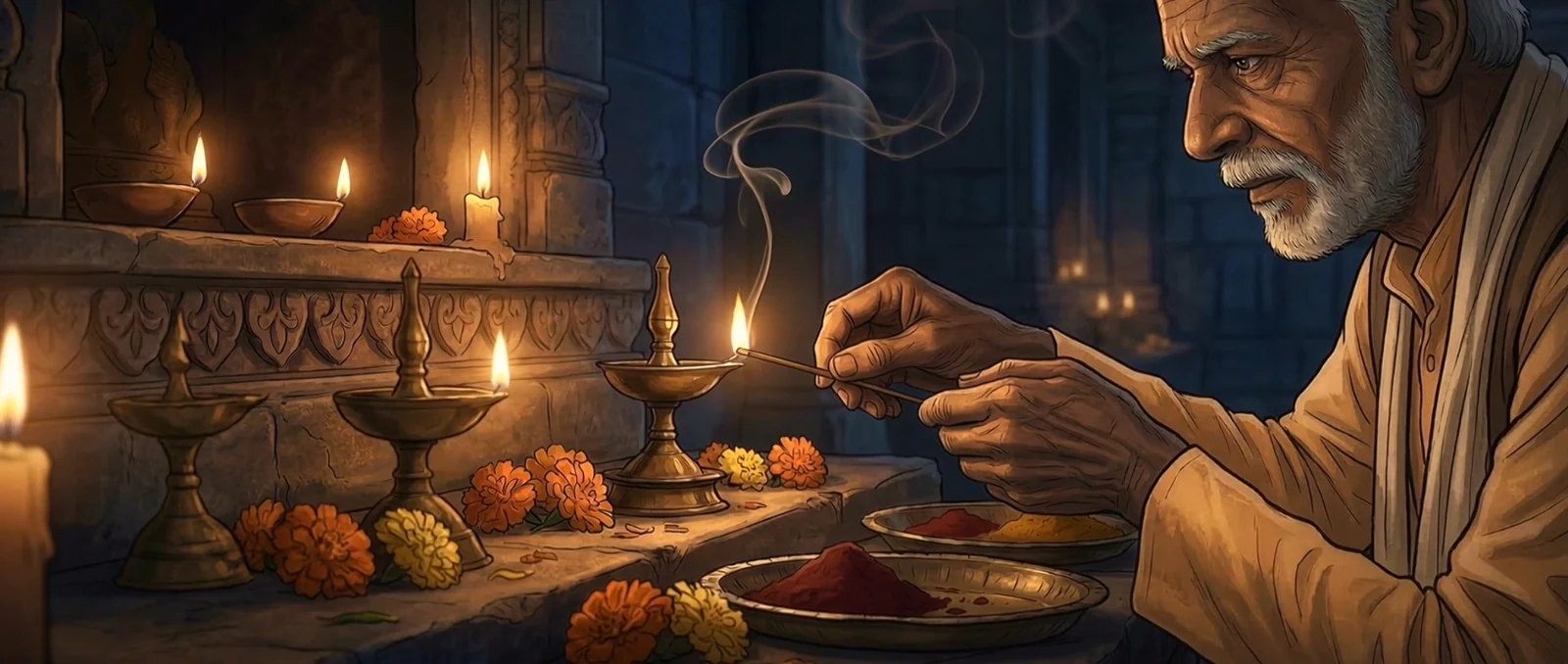
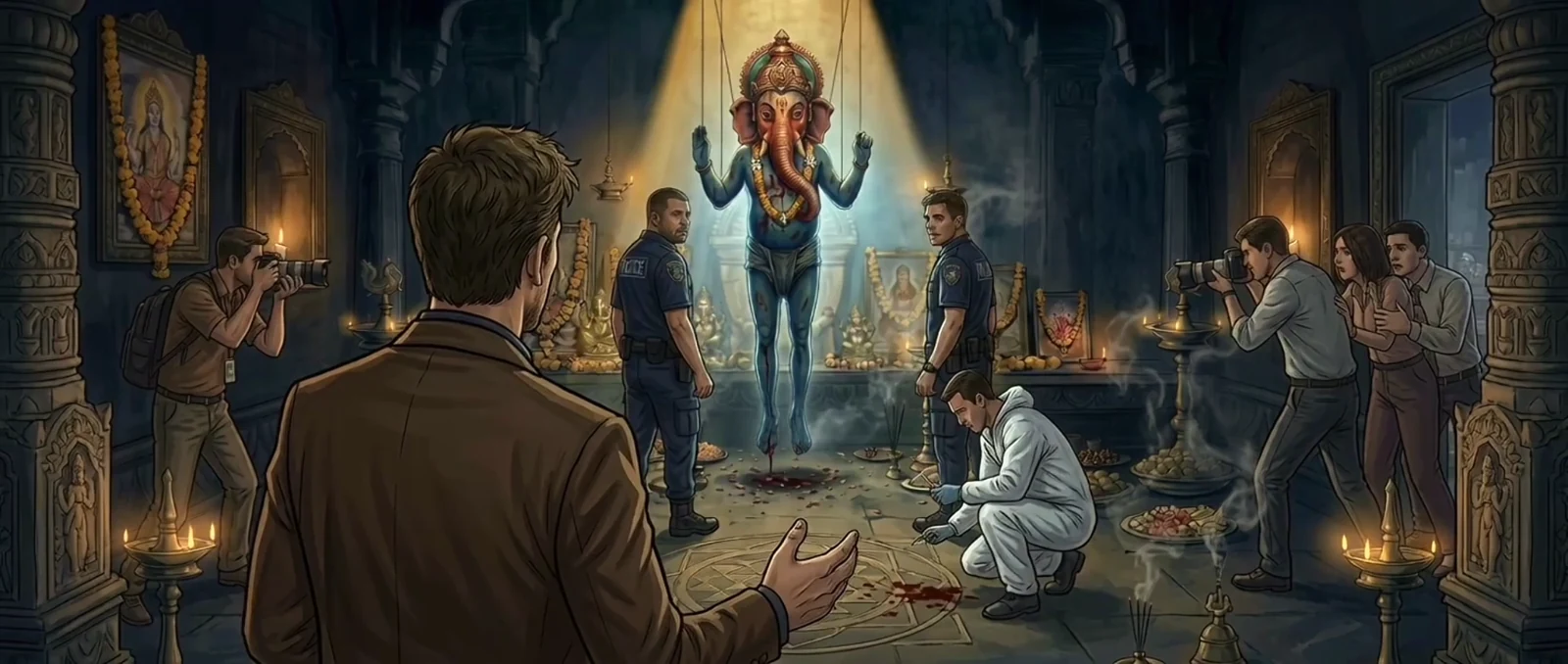
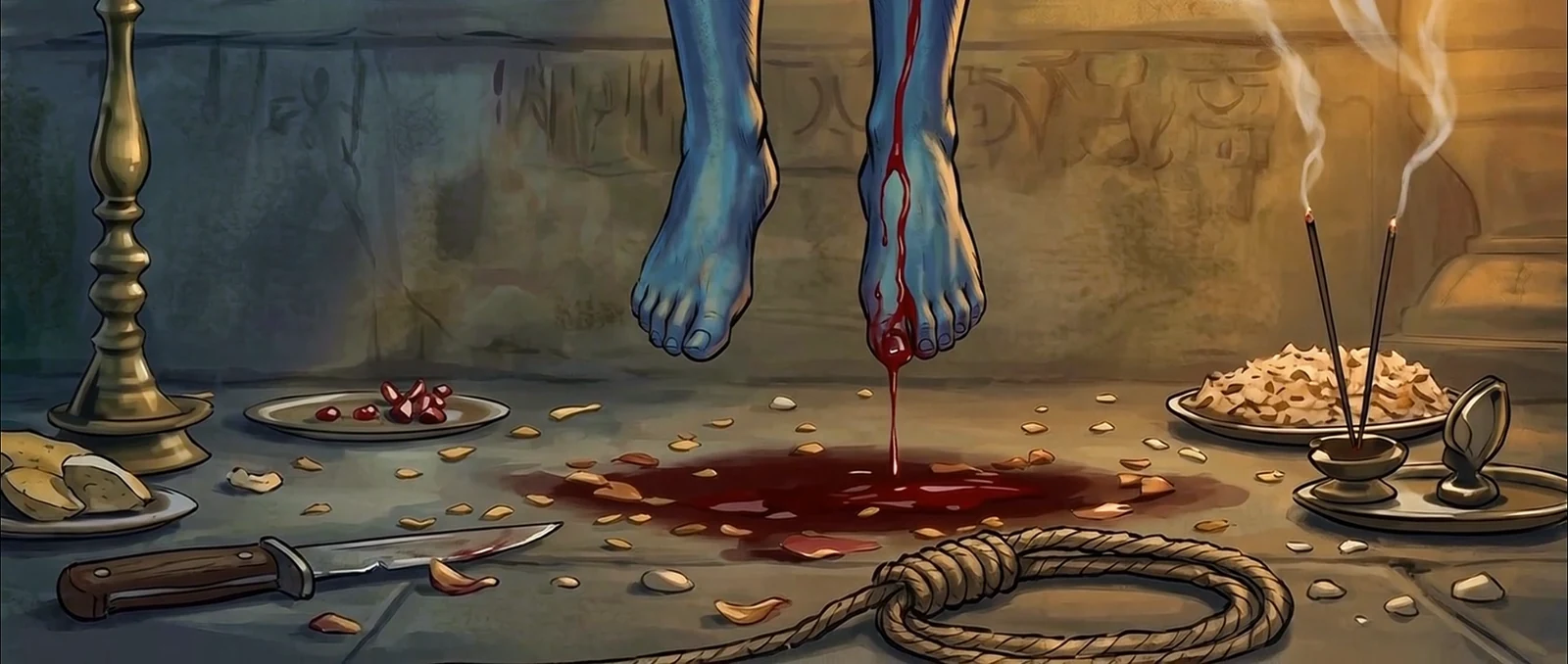
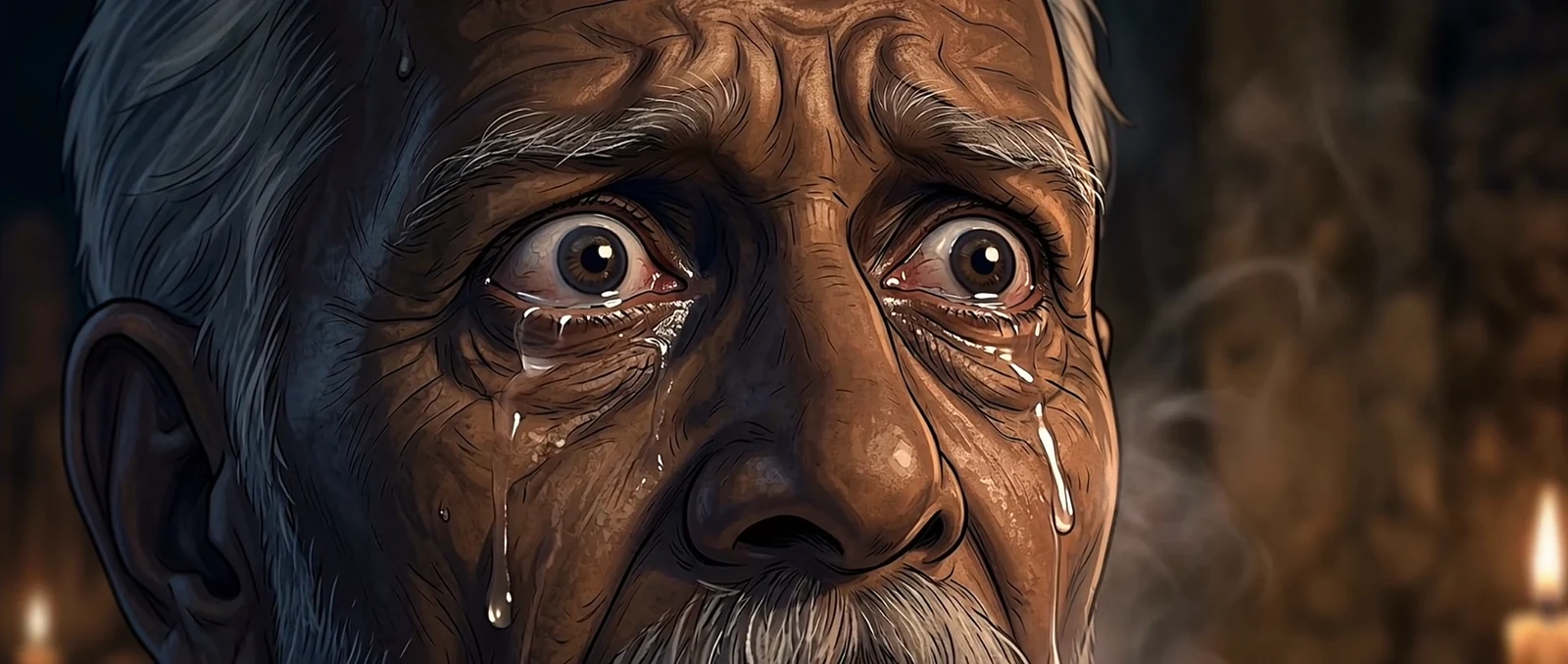
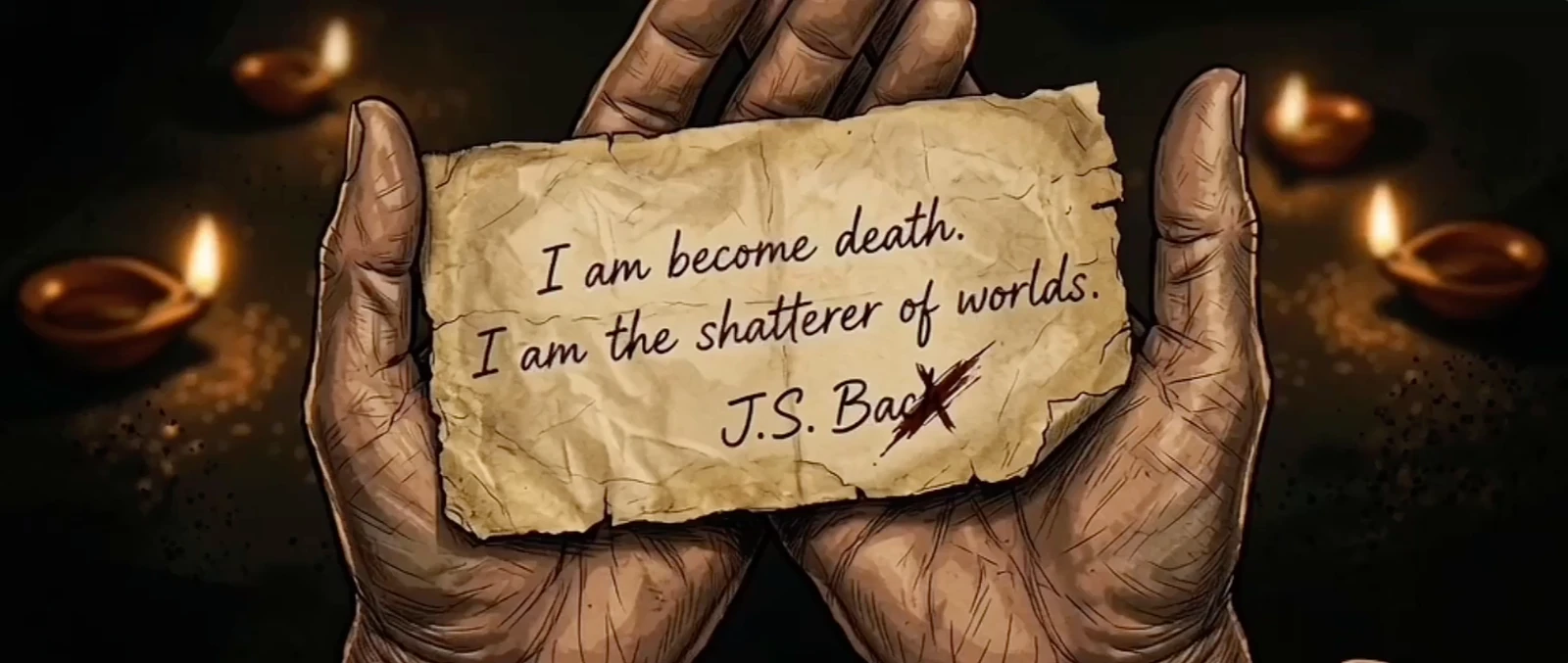
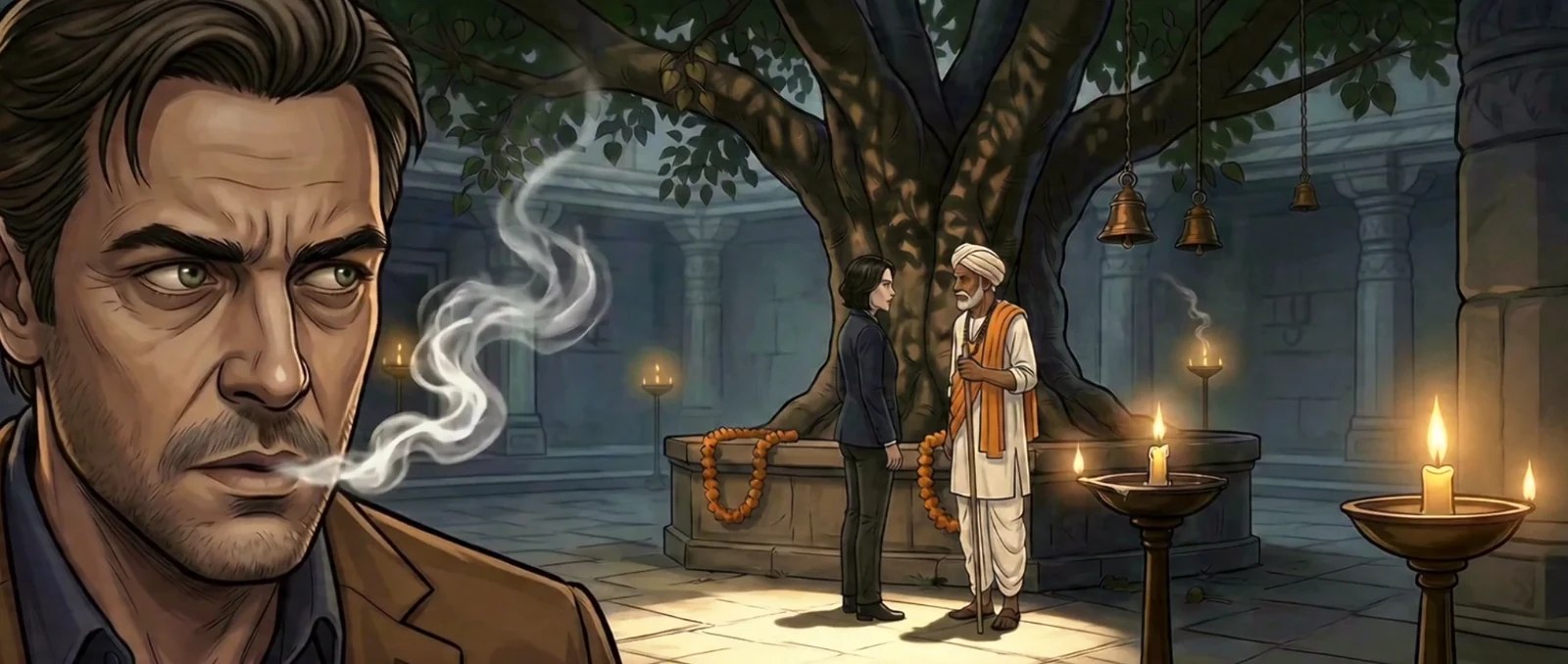
Raffy led narrative interpretation, scene breakdown, storyboarding, character and environment design, AI-assisted animation, performance editing, sound design, and post-production. Nelson Clark retained screenplay authorship and supplied the voiceover and musical score through ElevenLabs.
The work included translating specific screenplay beats into visual plans, establishing recurring character lockups, directing camera movement, clarifying eye-lines and staging, connecting inserts to glances and gestures, shaping dialogue timing, protecting performances through reactions and cutaways, and preparing the final studio opening, title treatment, subtitles, credits, and clean delivery.
Character sheets and environment boards became practical production references rather than presentation decoration. They defined identity, wardrobe, grooming, expression, equipment, architecture, lighting, sacred objects, and story geography before and during scene production.
Recurring versions of Smith, Peters, Captain Ahmed, the caretaker, police officers, and temple characters were reviewed and refined before later animation passes. The proof of concept was rebuilt around clearer blocking, eye-lines, body-discovery progression, motivated evidence inserts, and camera movement that supported each moment's emotional hierarchy.
Performance polish went beyond lip-sync. Raffy held reactions long enough to register, cut away before weak synchronization became distracting, placed dialogue over reactions and inserts, broke longer lines across angles, and used stillness, eye contact, gestures, sound, and edit timing to carry subtext.
The project involved unusually detailed creative feedback. Raffy organized that feedback into structured passes and responded point by point rather than treating it as a list of isolated corrections.
The first pass focused on character lockups, eye-lines, blocking, spatial continuity, motivated inserts, crime-scene progression, and camera language. The second focused on dialogue timing, lip-sync in key close-ups, reaction shots, gesture intention, character subtext, cobra-sequence tension, and subtitle treatment.
Final editorial refinement protected performance through cutaways, rebalanced shot length, moved dialogue over reactions and inserts, refined title and end-credit information, and prepared subtitled and clean versions.
“You have exceeded my expectations ... you are the best!”
CLIENT FEEDBACK
“Raffy works very fast, and is a consummate professional. Highly recommended.”
Nelson Clark
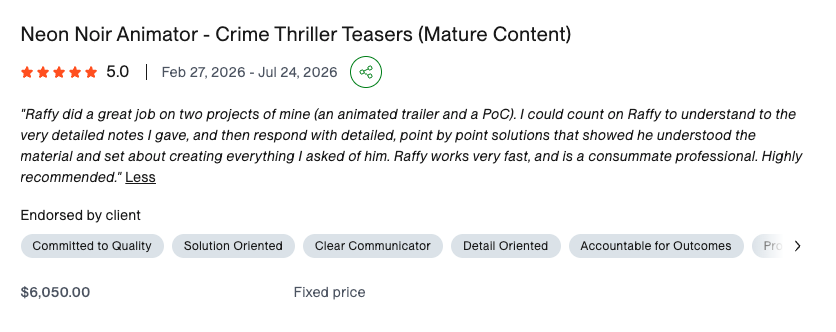
5.0 Upwork review
$6,050 fixed-price public Upwork engagement
Full review transcript: Raffy did a great job on two projects of mine (an animated trailer and a PoC). I could count on Raffy to understand the very detailed notes I gave, and then respond with detailed, point by point solutions that showed he understood the material and set about creating everything I asked of him. Raffy works very fast, and is a consummate professional. Highly recommended.
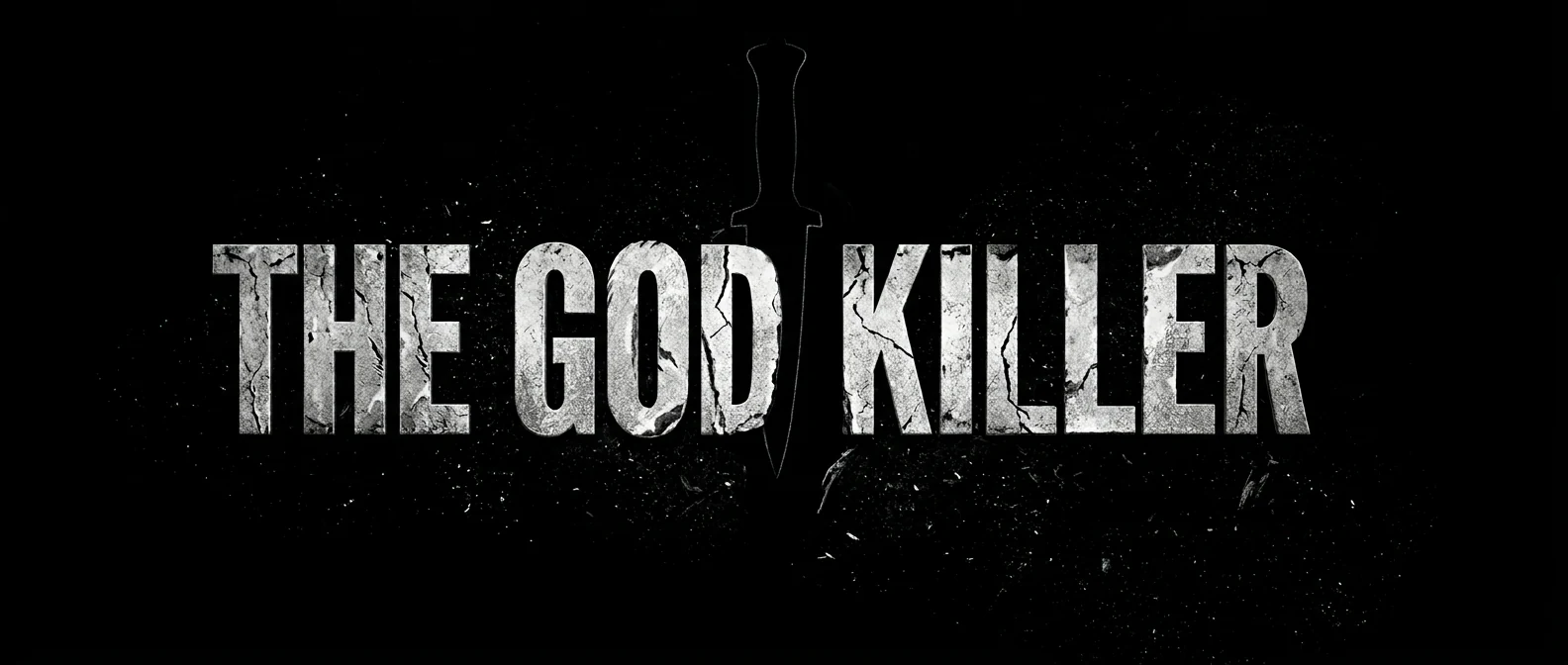
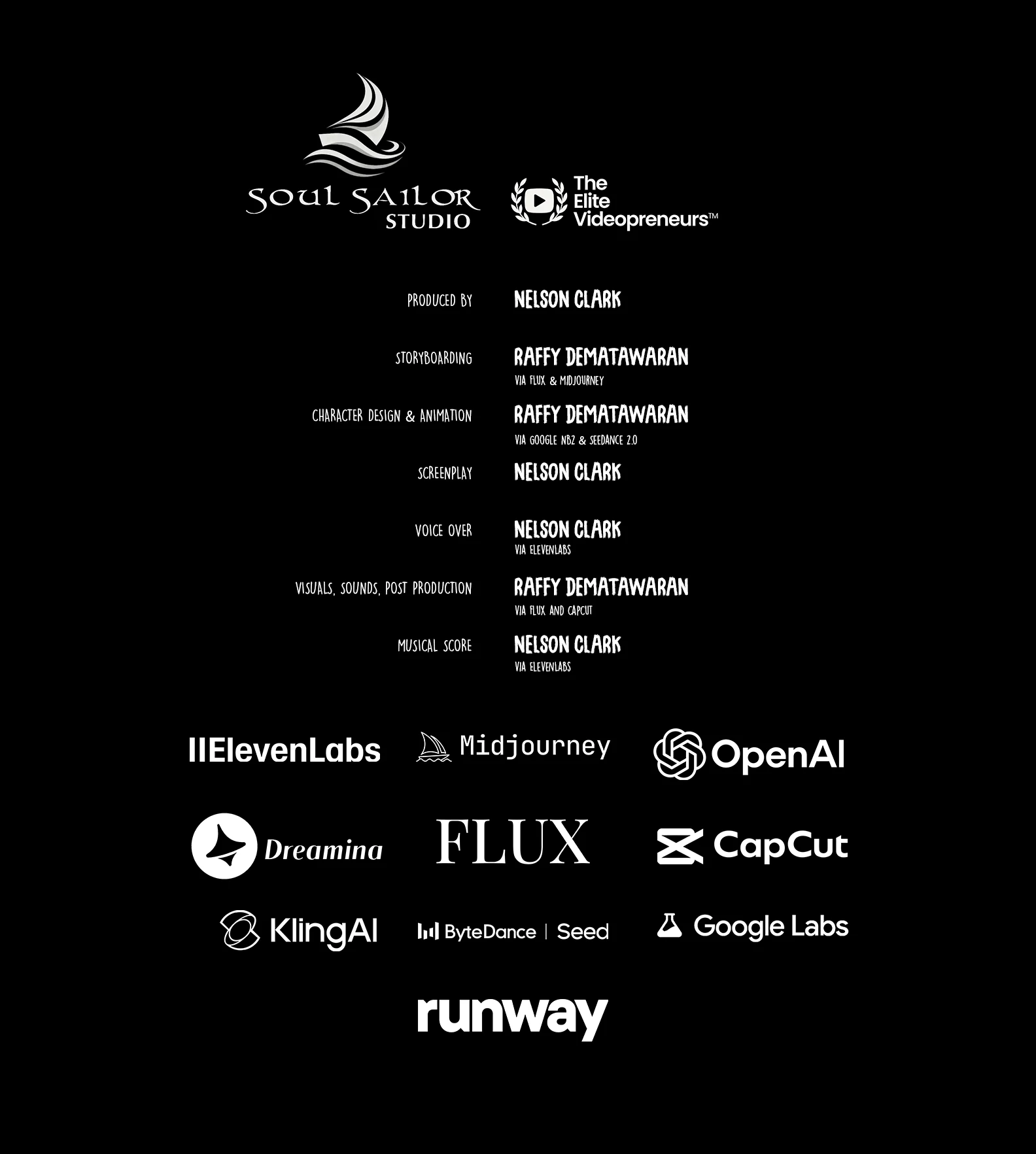
The title card and final credits preserve the project's public authorship record and distinguish Raffy's production work from Nelson Clark's screenplay, voiceover, and score.
Translate client-supplied screenplay beats into scene structure, storyboards, blocking, coverage, inserts, reactions, and connected edited sequences.
Build recurring references that preserve identity, wardrobe, grooming, emotional range, and visual continuity across changing scenes.
Develop repeatable locations and story-specific spaces that support mood, geography, staging, environmental storytelling, and continuity.
Break written material into character actions, reveals, reactions, shot purpose, visual clues, and transitions before final assembly.
Combine AI-assisted image and video creation with visual direction, animation, editing, sound, and finishing to produce connected story sequences.
Shape dialogue coverage, pauses, reactions, inserts, gestures, and cutaways so dramatic intention and emotional continuity remain clear.
Use sound, music-led pacing, edit timing, titles, subtitles, and delivery polish to complete the visual narrative.
Convert detailed client notes into focused production passes while protecting approved story logic, continuity, and visual tone.
This was an adult animated crime-thriller project, not gaming-client work. The demonstrated script-to-screen workflow can also support game cinematics, character-led campaigns, episodic entertainment, branded story worlds, vertical short dramas, and other narrative formats where recurring characters and environments need to remain consistent.
I can take a script, character concept, series idea, or creative brief and develop the storyboards, visual world, recurring characters, AI-assisted scenes, editing, sound, and final presentation.