Visual direction
Identify the major visual families the reel should cover - superhero, shōnen, mecha, classic anime, retro-futurism, and cyberpunk.
AI ANIME ANIMATION / FANDOM-INSPIRED MOTION REEL
A 31-second visual experiment testing how generative AI can move across superhero action, shōnen intensity, mecha, classic anime references, and cyberpunk character design while still feeling like one fast, music-driven reel.
Project classification: Self Initiated Study. Commercial proof: Capability Proof.
31.2-SECOND MOTION REEL
Music-only reel moving from close character moments and heroic silhouettes into power-ups, mecha action, ensemble staging, and a cyberpunk close.
Anime is not one visual style. It can shift from clean heroic silhouettes to exaggerated shōnen expressions, mechanical city action, retro character design, soft hand-painted moments, or neon cyberpunk ensembles.
I created this reel to test whether current image and video generation tools could move across those different visual languages while maintaining enough character presence, motion, camera energy, and editorial rhythm to feel intentional.
The goal was not to imitate one studio or reproduce a complete episode. It was to build a compact capability test: generate distinct anime-style worlds, animate selected moments, and use pacing and music to connect them into one continuous experience.
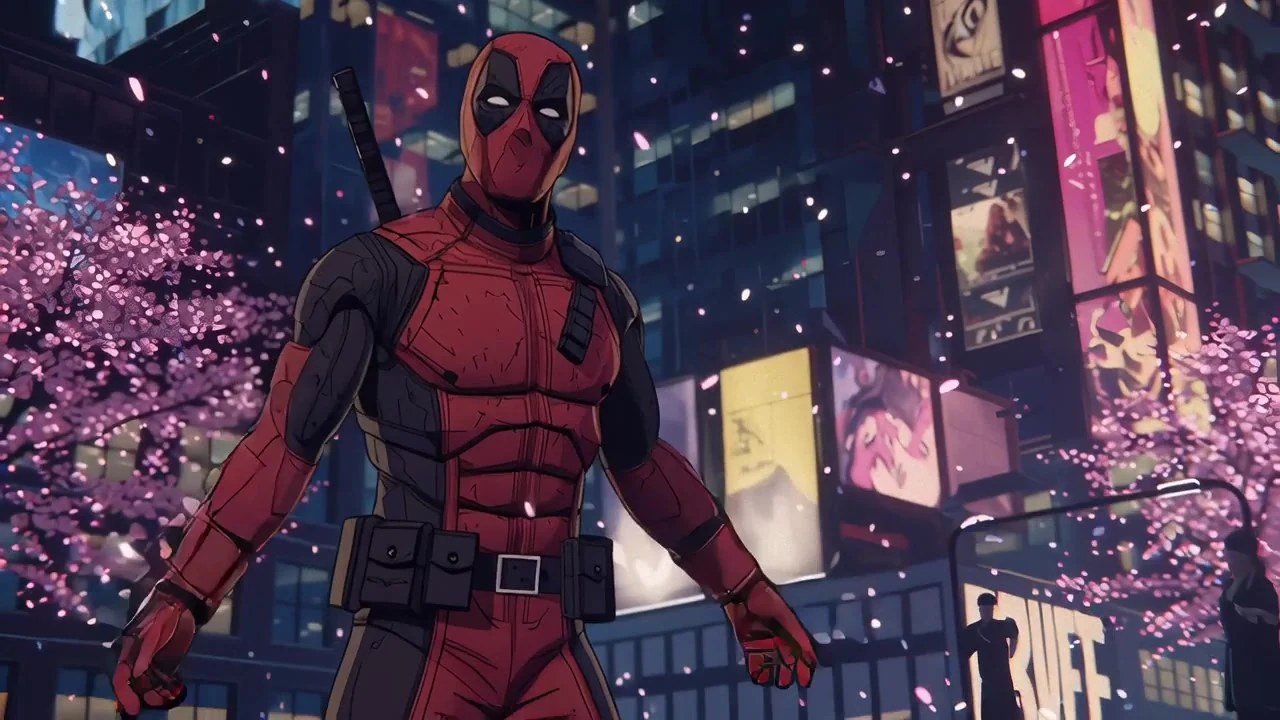
The reel includes several kinds of imagery that could easily feel disconnected: Western superhero archetypes, lightning-powered characters, masked antiheroes, shōnen-style power-ups, mecha action, retro-futurist ensembles, classic anime homages, and newer cyberpunk designs.
The main challenge was not simply creating attractive frames. It was deciding which moments could sit beside each other, how quickly to move between visual languages, and where to use a close-up, silhouette, action burst, group composition, or environmental shot.
High-energy music became the structural guide. Cuts, impact moments, character reveals, and changes in scale were organized around the beat so the reel could feel unified even when the visual references changed.
The reel was designed as a range test rather than a single narrative. Each sequence focuses on a different visual or motion problem.
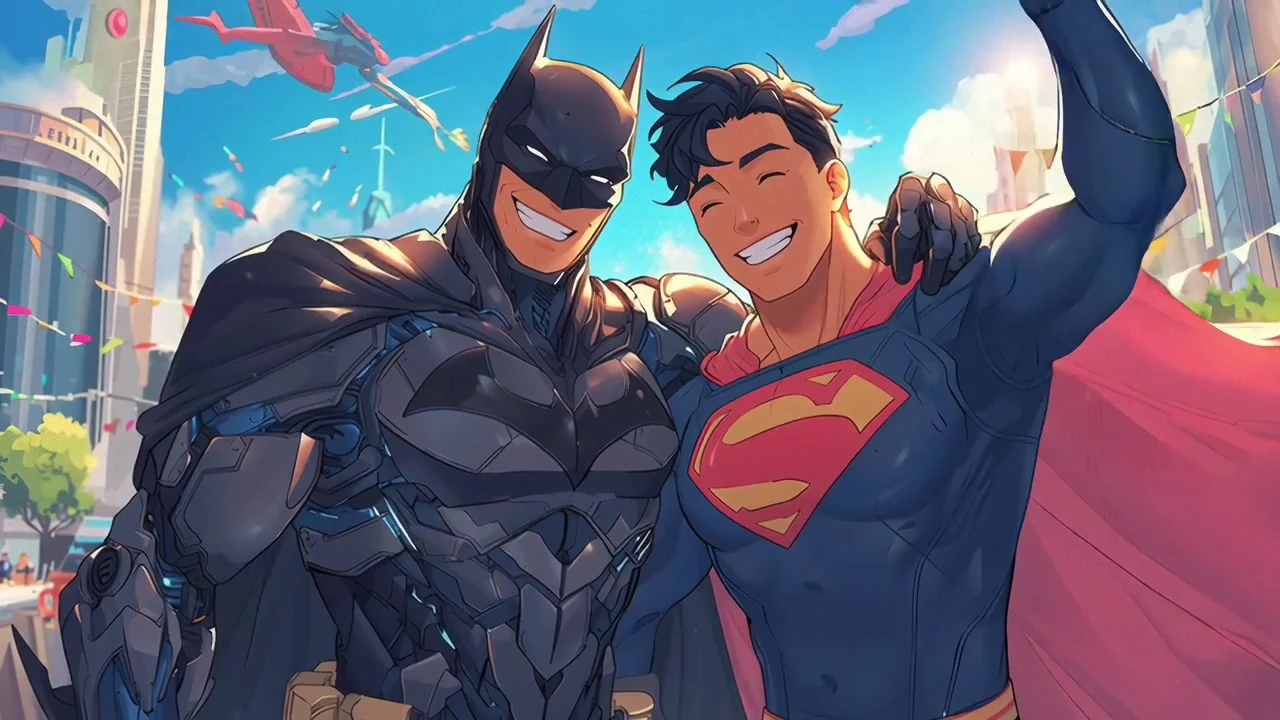
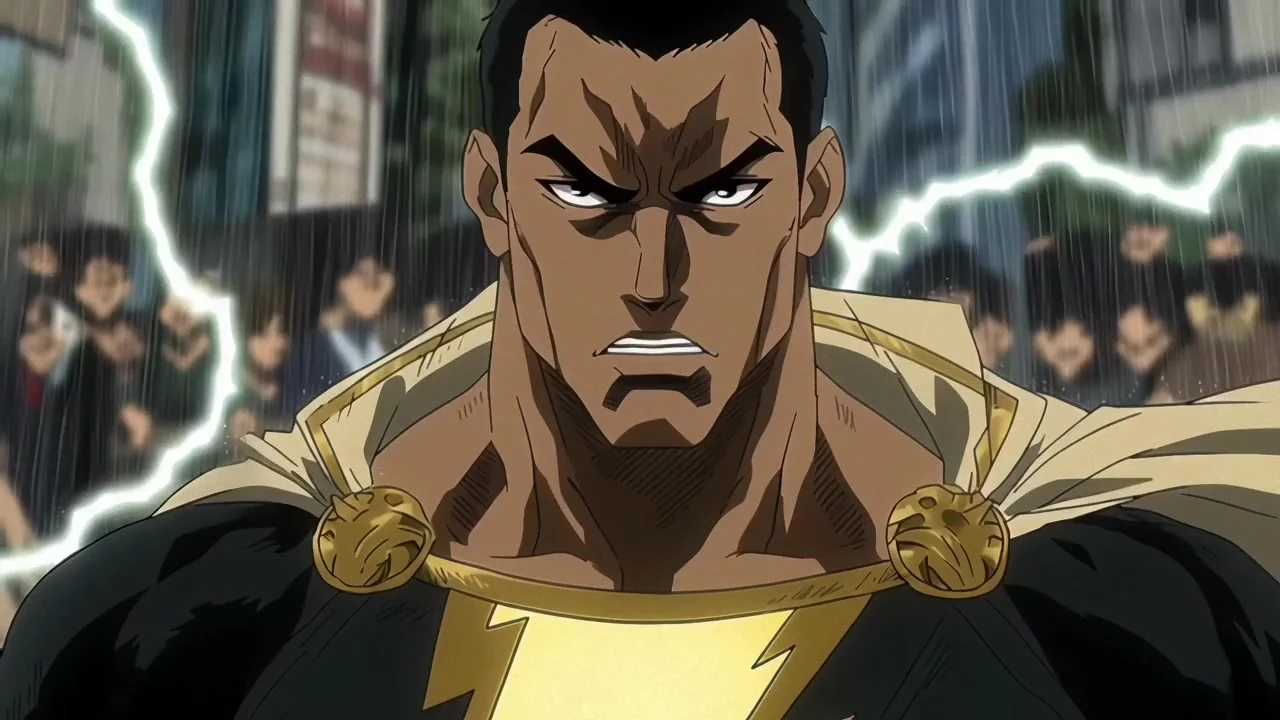
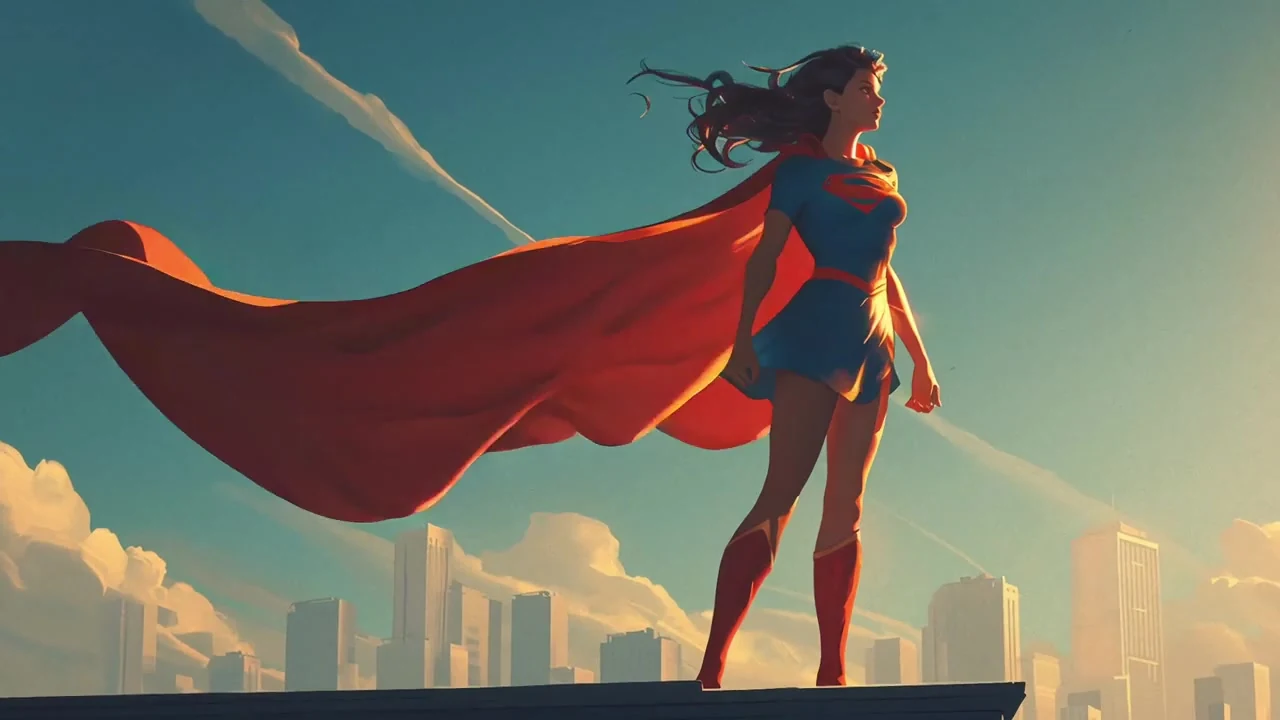
Familiar heroic archetypes are translated into anime-style linework, expressive posing, city-scale staging, and cinematic light.
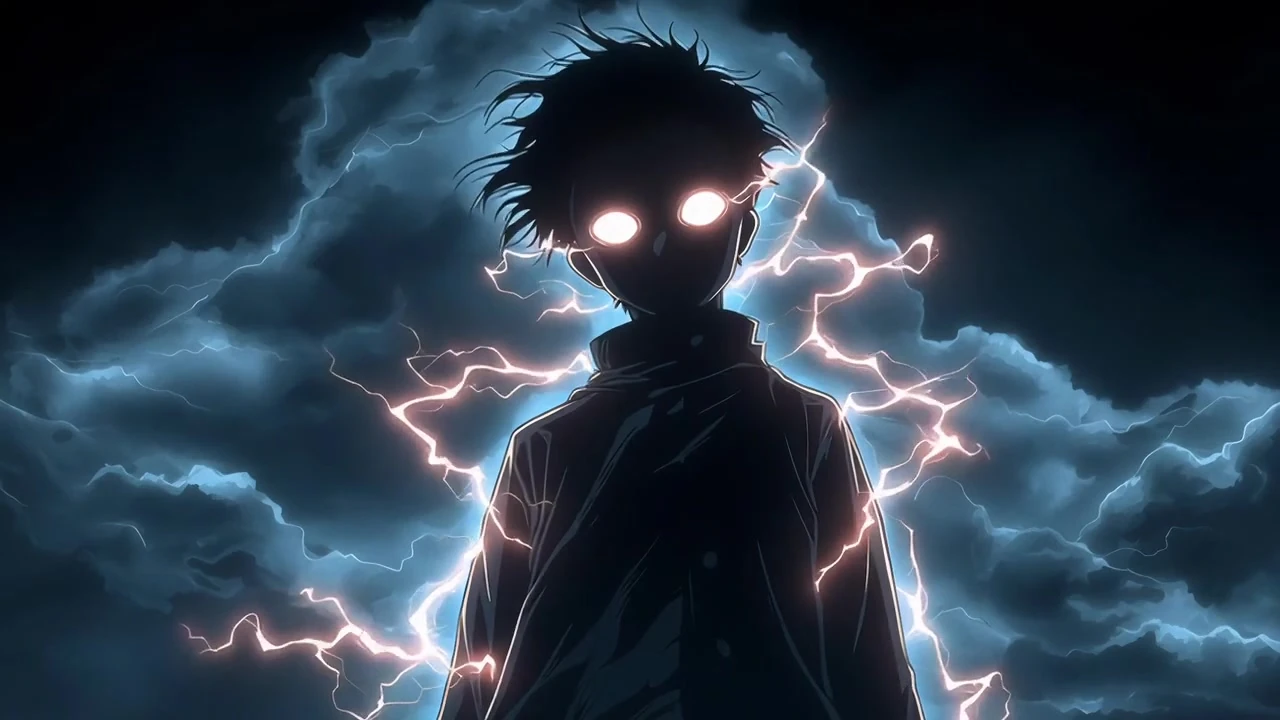
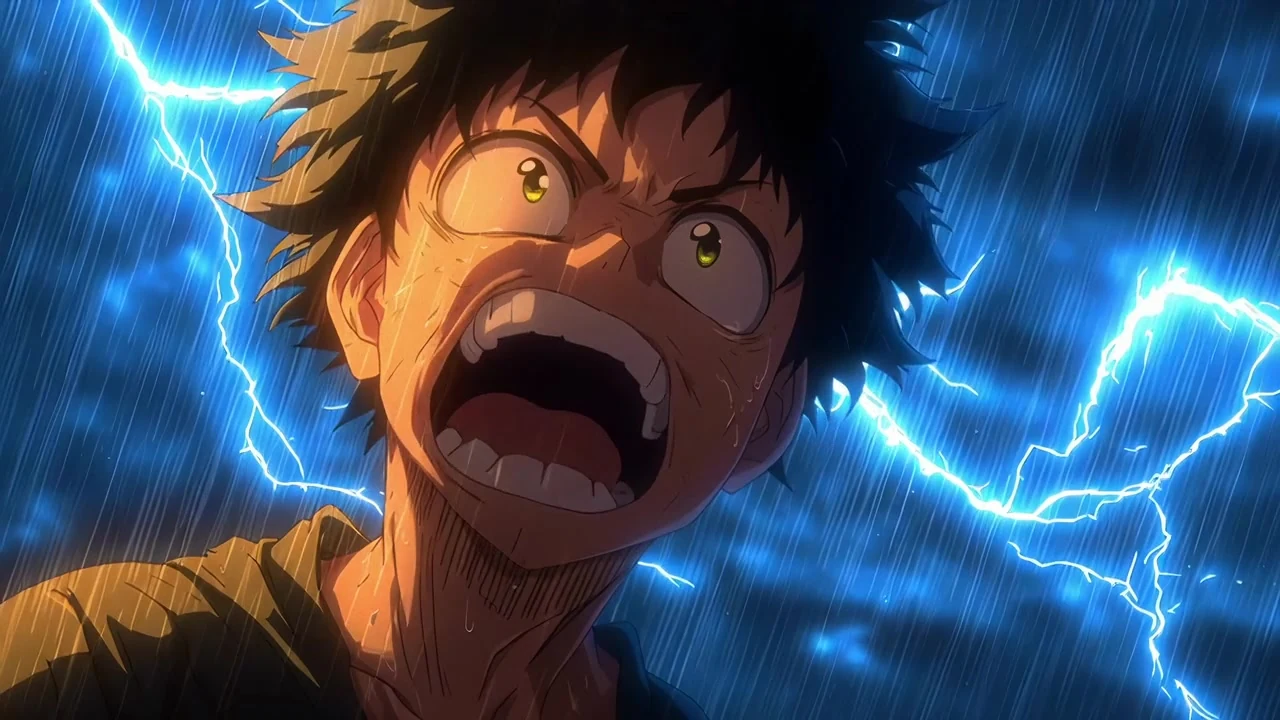
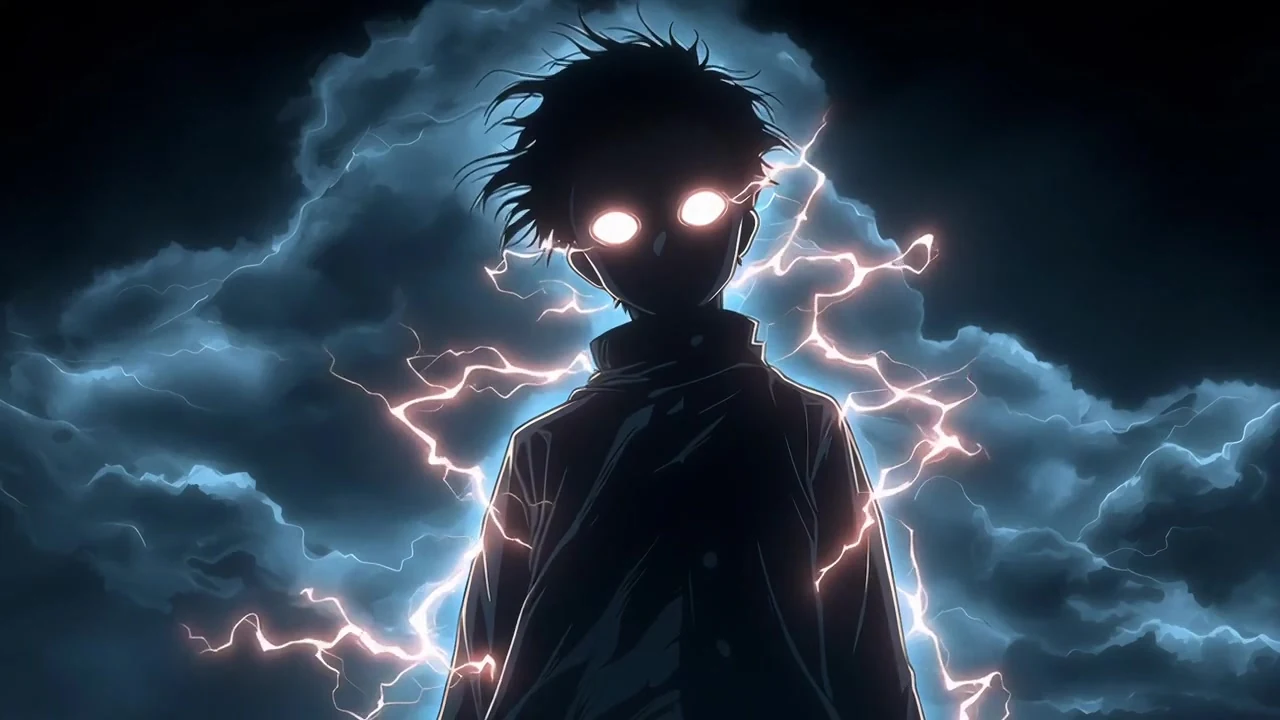
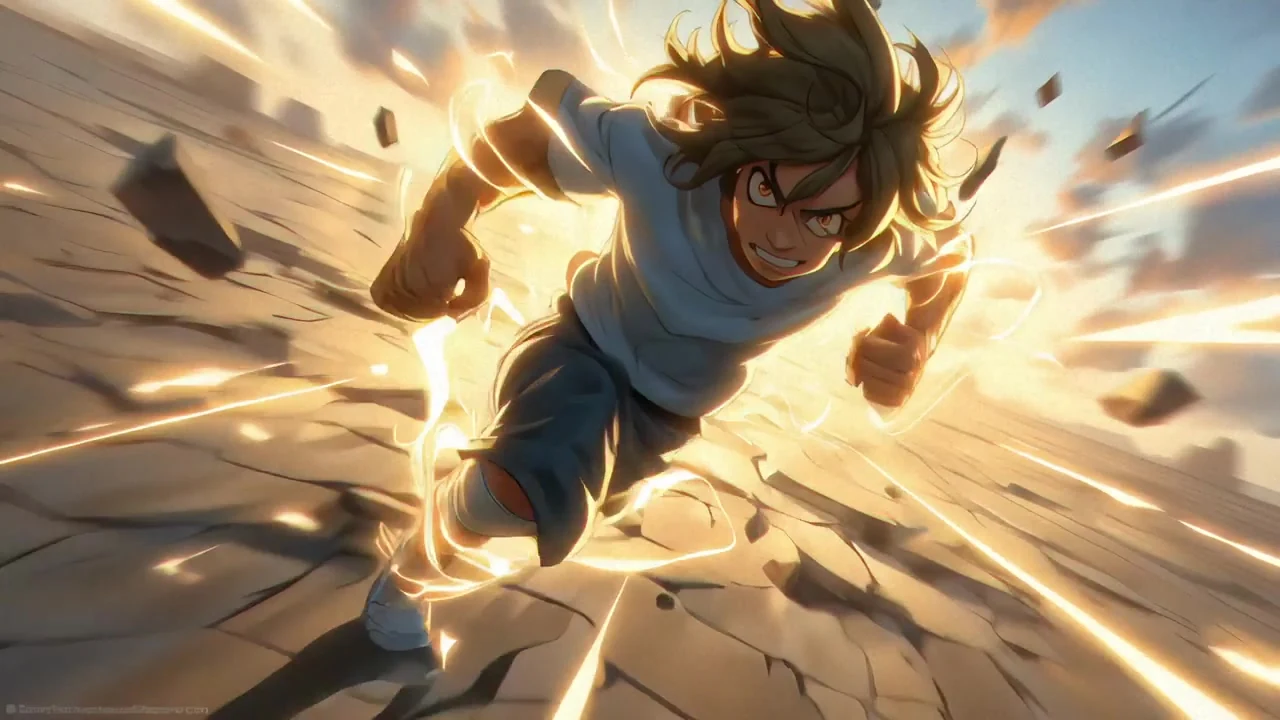
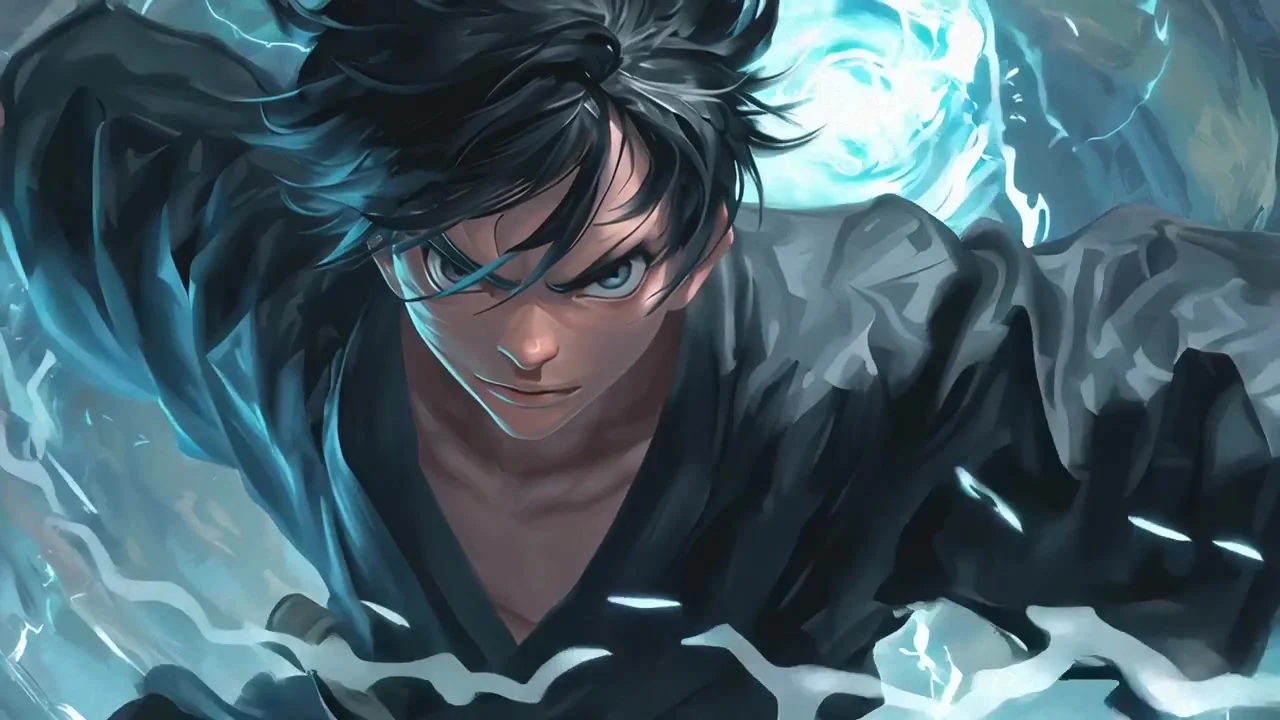
Close-ups, lightning, speed, impact poses, glowing eyes, and body-driven movement create the emotional intensity associated with power-up and breakthrough moments.
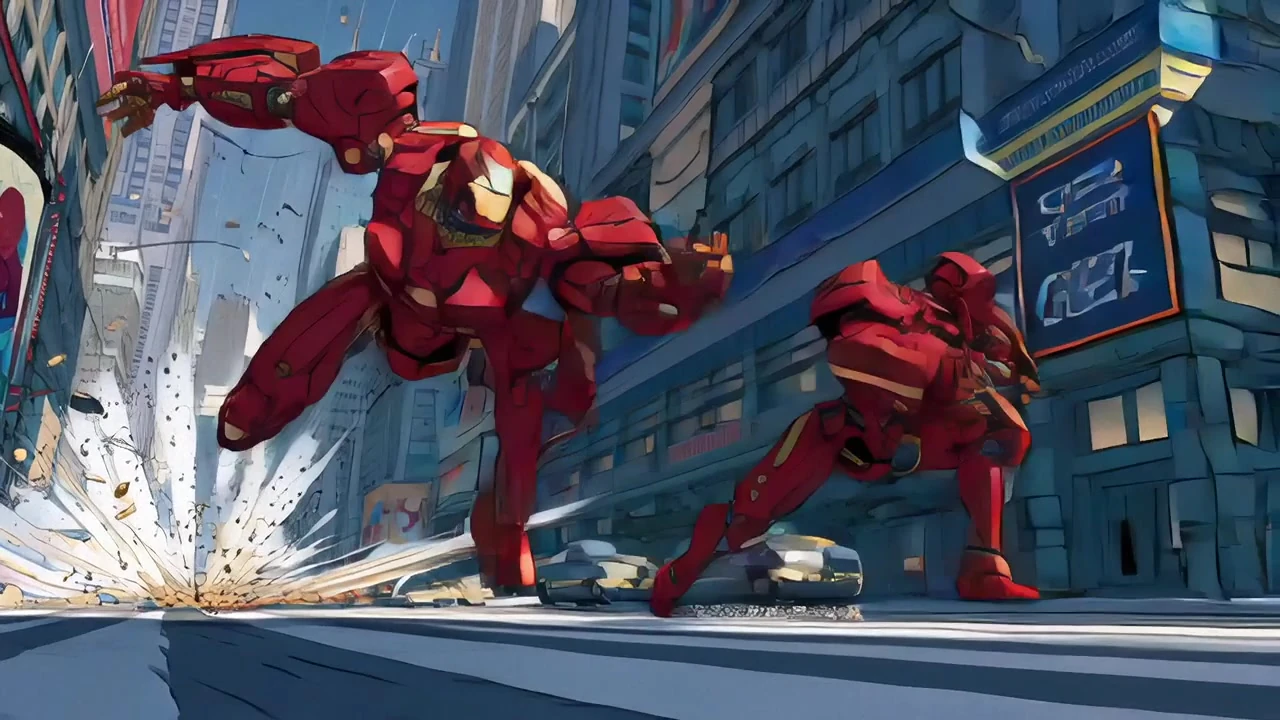
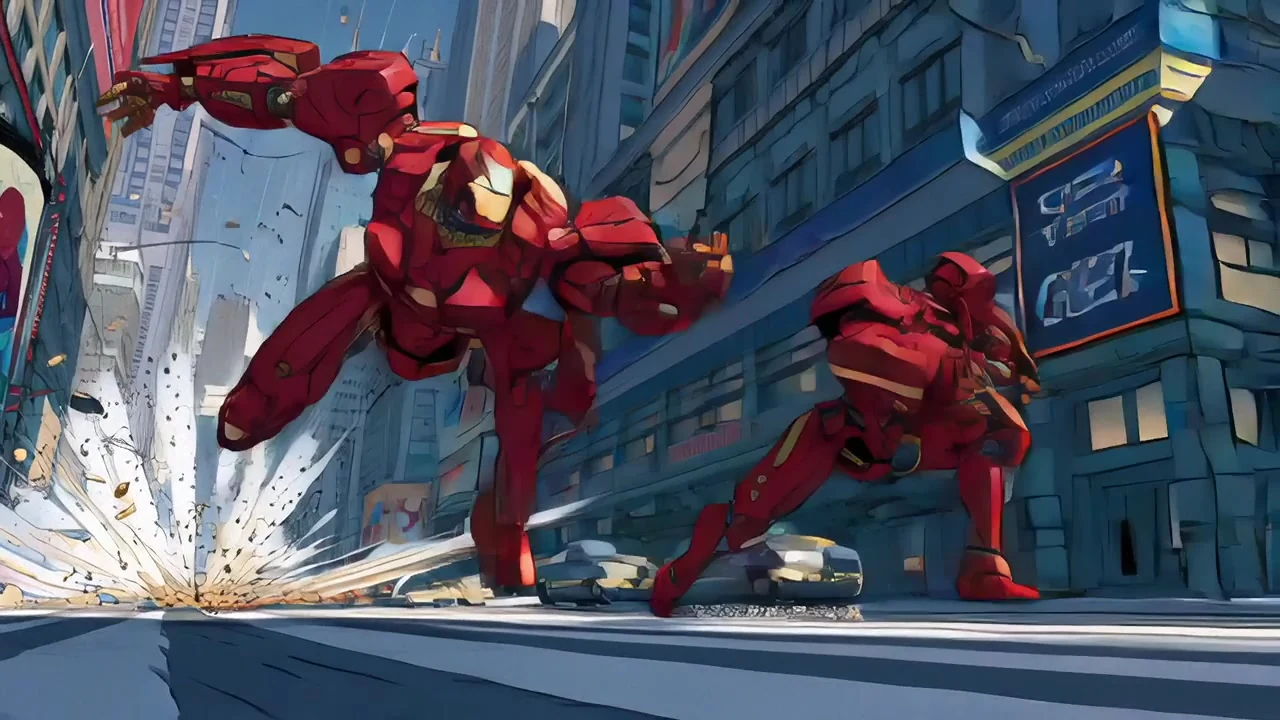
Large mechanical figures, armored movement, city environments, debris, and aggressive perspective test scale, weight, and kinetic staging.
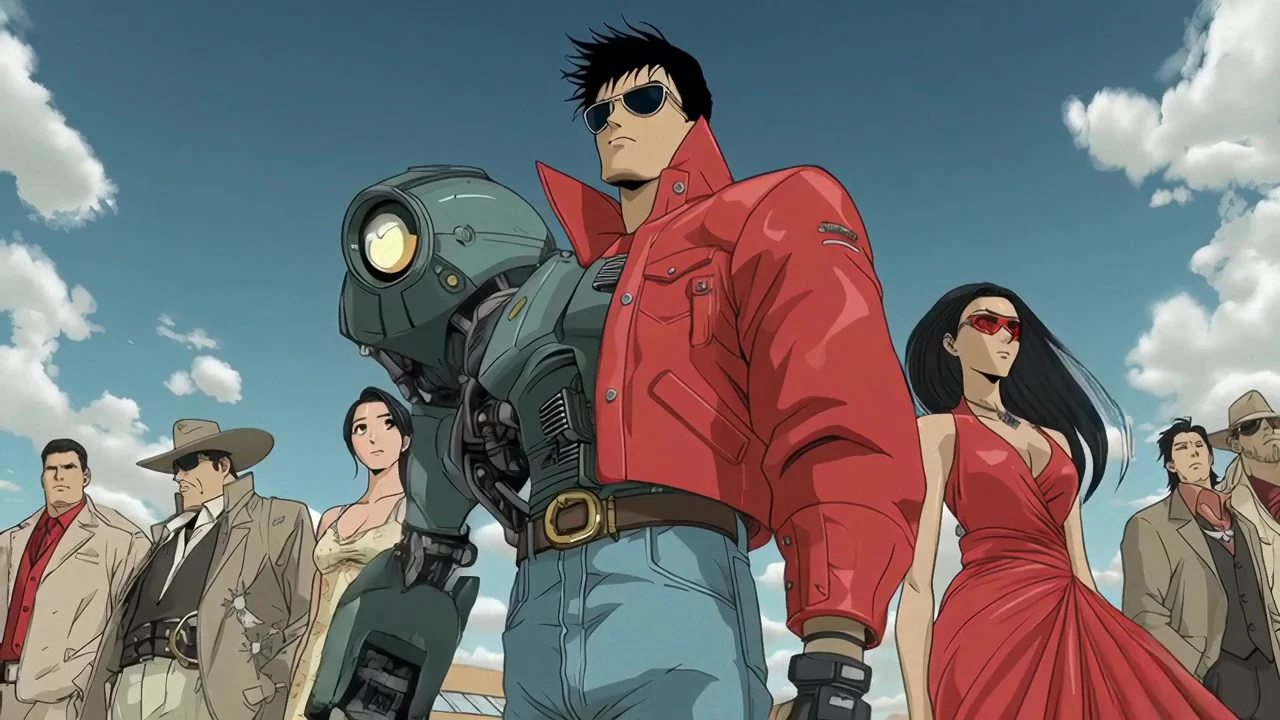
Softer expressions, group compositions, food-table warmth, bold silhouettes, and retro-futurist character styling contrast with the more aggressive action sequences.
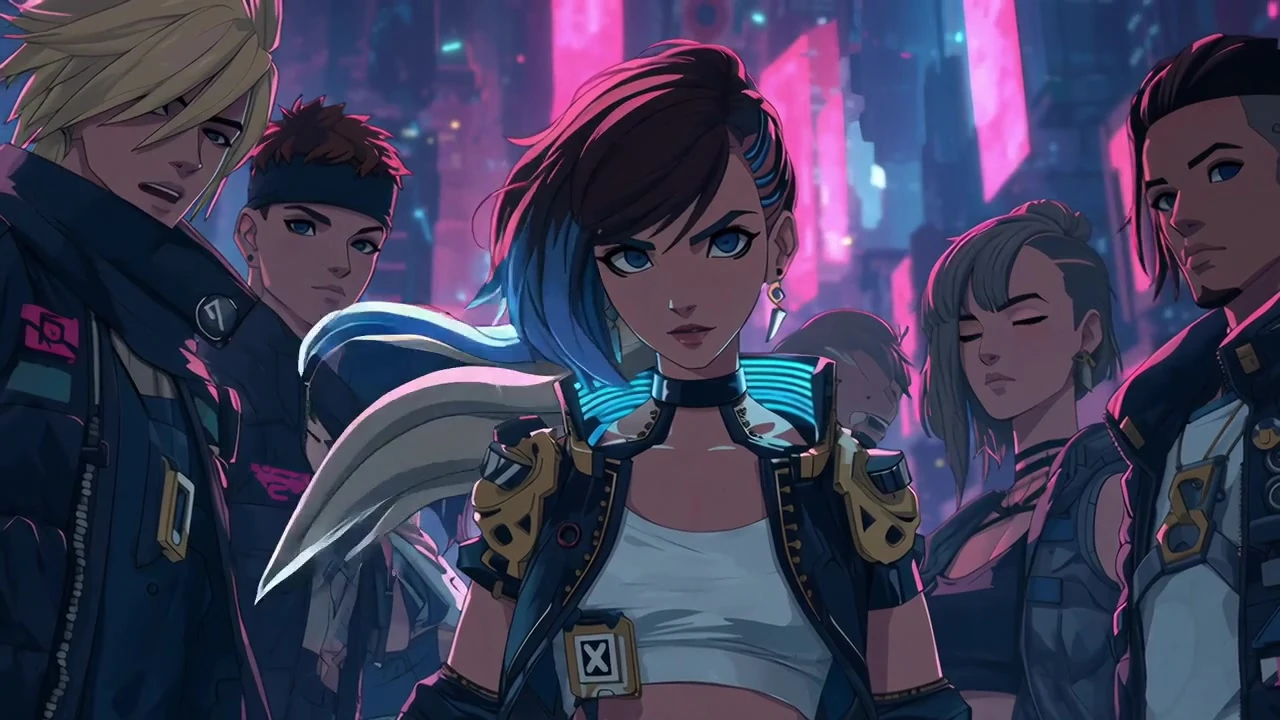
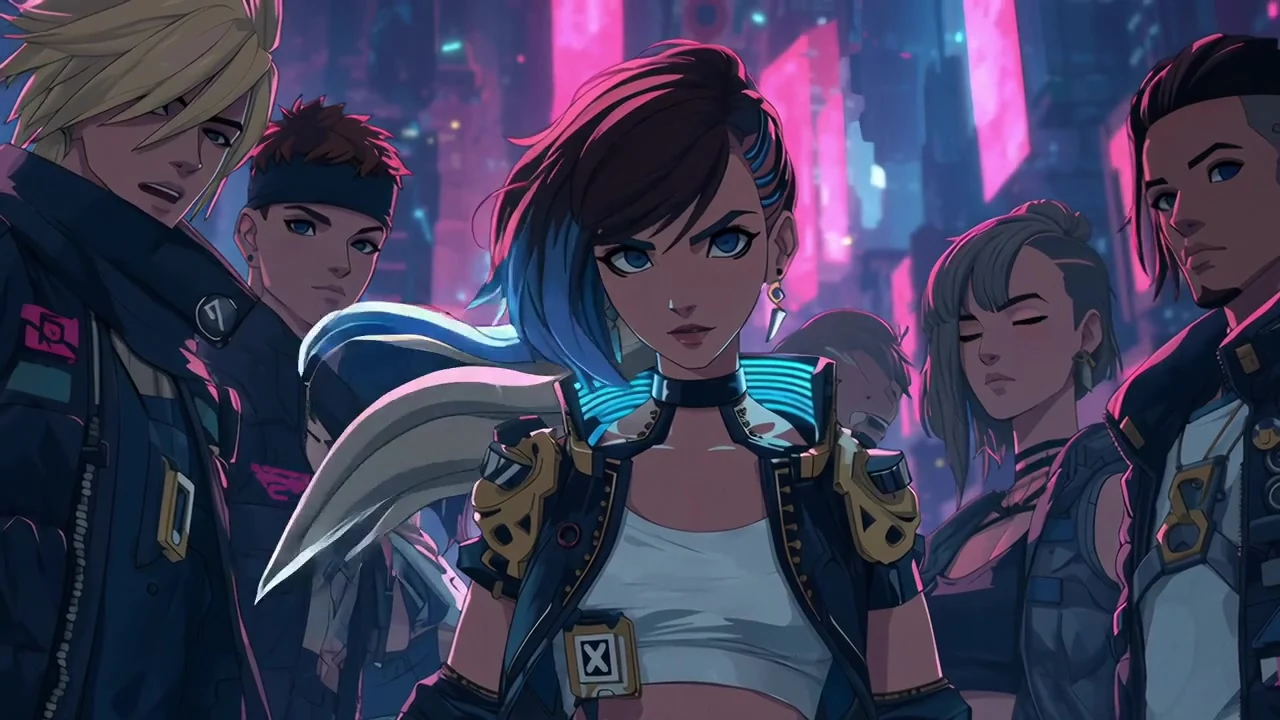
Neon lighting, fashion-forward costumes, group staging, and a cool central hero test a newer entertainment and game-cinematic direction.
The change in scale gives the reel a deliberate midpoint escalation, moving from character-driven electricity into mechanical weight and city-level action.
Identify the major visual families the reel should cover - superhero, shōnen, mecha, classic anime, retro-futurism, and cyberpunk.
Use MidJourney, Flux, and Ideogram to explore character poses, lighting, environments, group compositions, action framing, and stylistic variations.
Develop selected frames into motion tests with MidJourney V03 and Kling 2.5 while checking character design, impact, and anime-style visual logic in motion.
Select the strongest moments for silhouette, facial expression, motion readability, scene scale, camera energy, and transition potential.
Assemble character reveals, impact frames, power-up moments, mechanical action, and group shots around energetic music.
Because the reel moves between unrelated worlds and character types, narrative continuity was not the main connector. Rhythm was.
The music determines when the viewer receives a close-up, when the scale expands, when an action beat lands, and when a new visual language is introduced. That approach allows the reel to feel like one piece rather than a folder of disconnected AI clips.
The final ensemble expands the project into a newer entertainment and game-cinematic visual direction before the closing sequence.
Twelve frames tracing the reel's movement between character intimacy, action, mechanical scale, ensemble composition, and different generations of anime-inspired design.

This reel demonstrates a practical use for generative AI in entertainment development: testing visual directions quickly before committing to a longer and more expensive production.
Anime-style pitch films
Character and world look development
Music visuals
Social and fandom content
Game-cinematic concepts
Superhero or mecha style tests
Teaser sequences
Previsualization for animated projects
Rapid comparison of visual directions
AI generation creates the raw possibilities. Direction, selection, pacing, and editorial judgment determine whether those possibilities become a convincing reel.
This is a self-initiated visual study containing unofficial fan-art interpretations and style references associated with recognizable entertainment characters and genres. It was not commissioned, licensed, sponsored, approved, or endorsed by DC, Marvel, anime studios, publishers, game studios, or other rights holders. Character names, designs, logos, and trademarks remain the property of their respective owners.
Send the concept, characters, reference style, intended platform, and the kind of motion you want to test. I can help develop the visual direction, create AI-assisted style frames and animation tests, and shape the strongest material into a focused pitch or teaser reel.