Define the use case
Establish the intended audience, tone, format, character function, and likely media. A mascot, commercial spokesperson, YouTube host, fantasy character, and emotional short-film lead require different visual decisions.
SELF-INITIATED CHARACTER R&D / AI-ASSISTED ANIMATION
Two independently formatted animation reels exploring how original stylized 3D characters can move from visual development into expressive, music-led content for advertising, social media, YouTube, branded storytelling, and future character systems.
Project classification: Self Initiated Study. Commercial proof: Capability Proof.
A single attractive character frame is easy to admire. A useful character direction needs more: a recognizable silhouette, readable proportions, expressive facial design, a clear costume language, believable posing, and enough motion potential to carry a scene.
I created these two reels to test that broader problem. The goal was to explore multiple original character directions, place them in motion, compare how different visual styles behave across landscape and portrait formats, and identify which concepts could grow into repeatable characters for future media.
The reels are not finished episodes or client campaigns. They are character-development and animation studies designed to make future possibilities visible.
The project moves across fashion, youth culture, fitness, retail, pets, fantasy creatures, adventure, comedy, prehistoric characters, and quieter emotional moments.
Rather than forcing every character into one identical template, I used the reels to compare different shapes, ages, materials, costumes, facial structures, and movement styles. The common goal was clarity: each character should communicate a personality quickly, even before dialogue or a detailed story is added.
The project was intentionally edited into two formats because horizontal and vertical media create different demands for character staging.
The landscape reel uses group composition, lineups, lifestyle scenes, and product-facing contexts. The portrait reel gives more visual weight to individual expression, emotional close-ups, creatures, and story-driven character moments.
38.5 SECONDS / LANDSCAPE
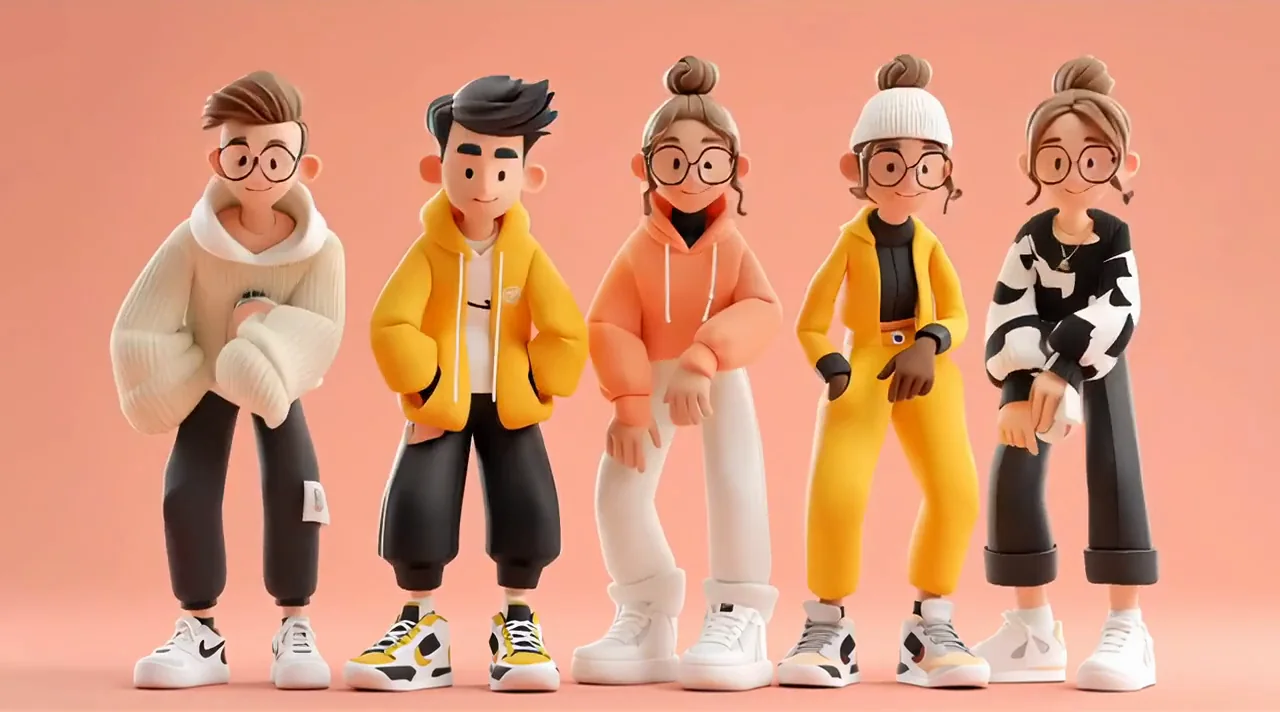
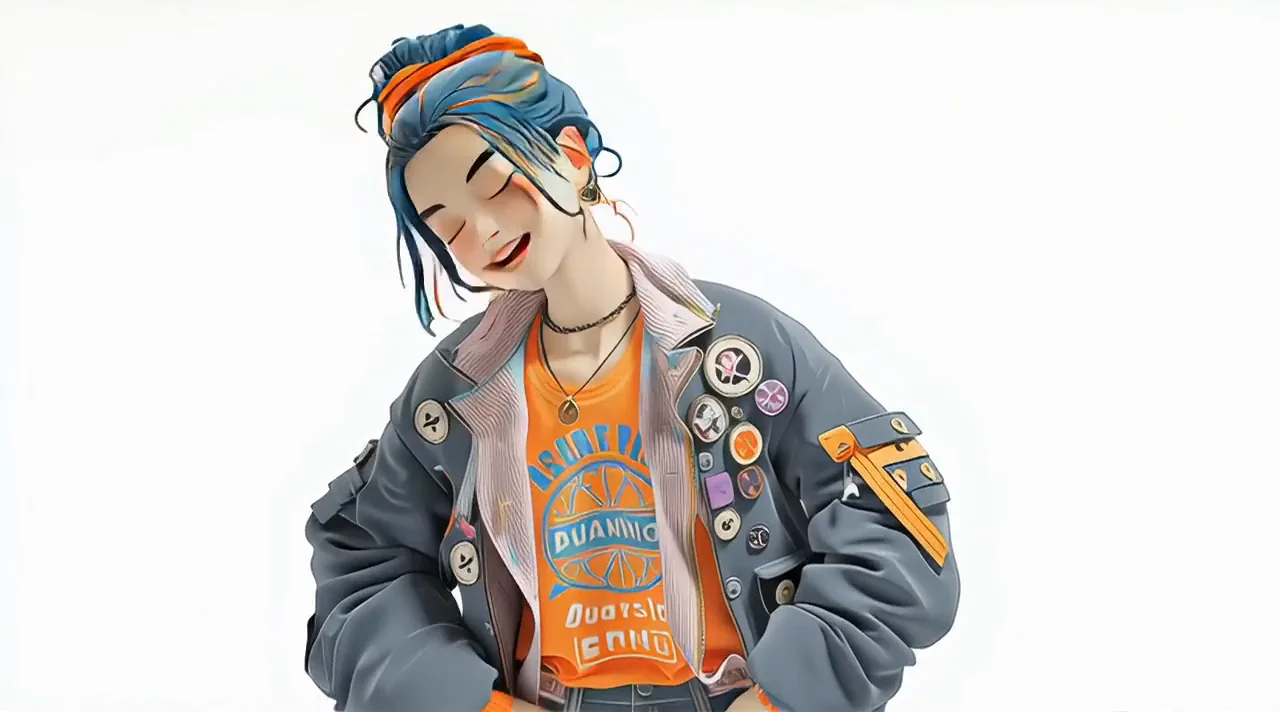
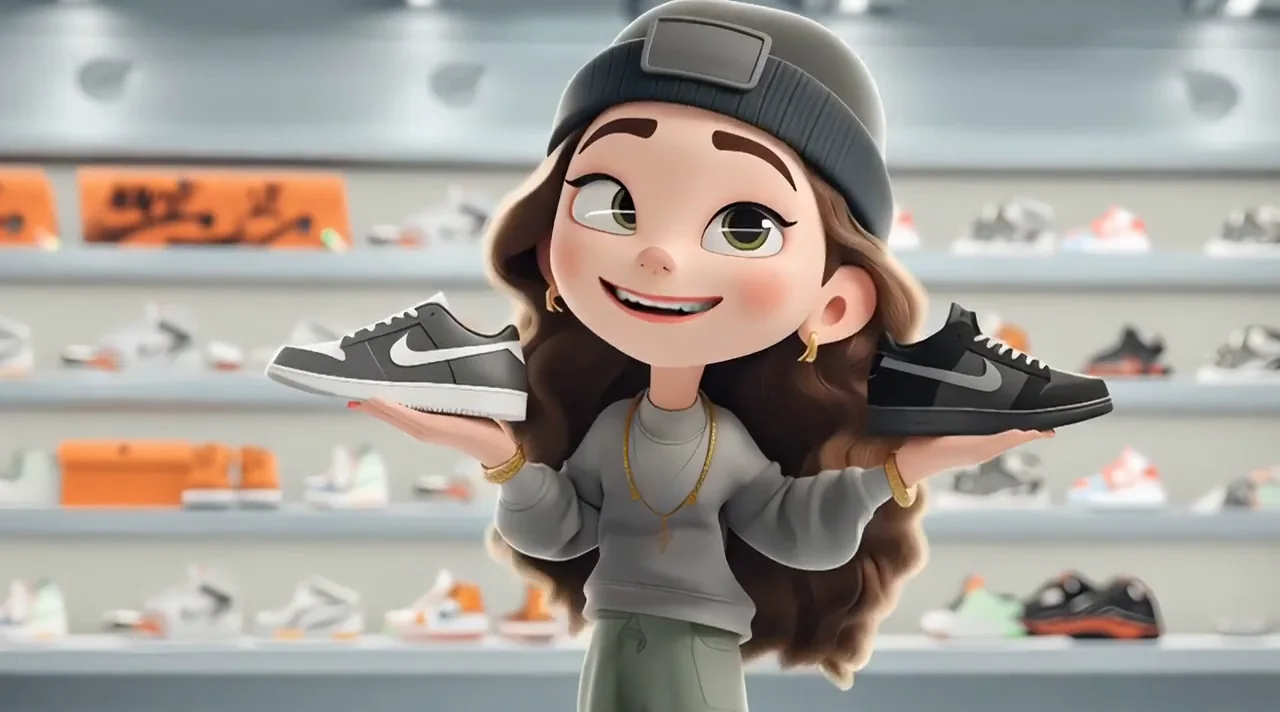
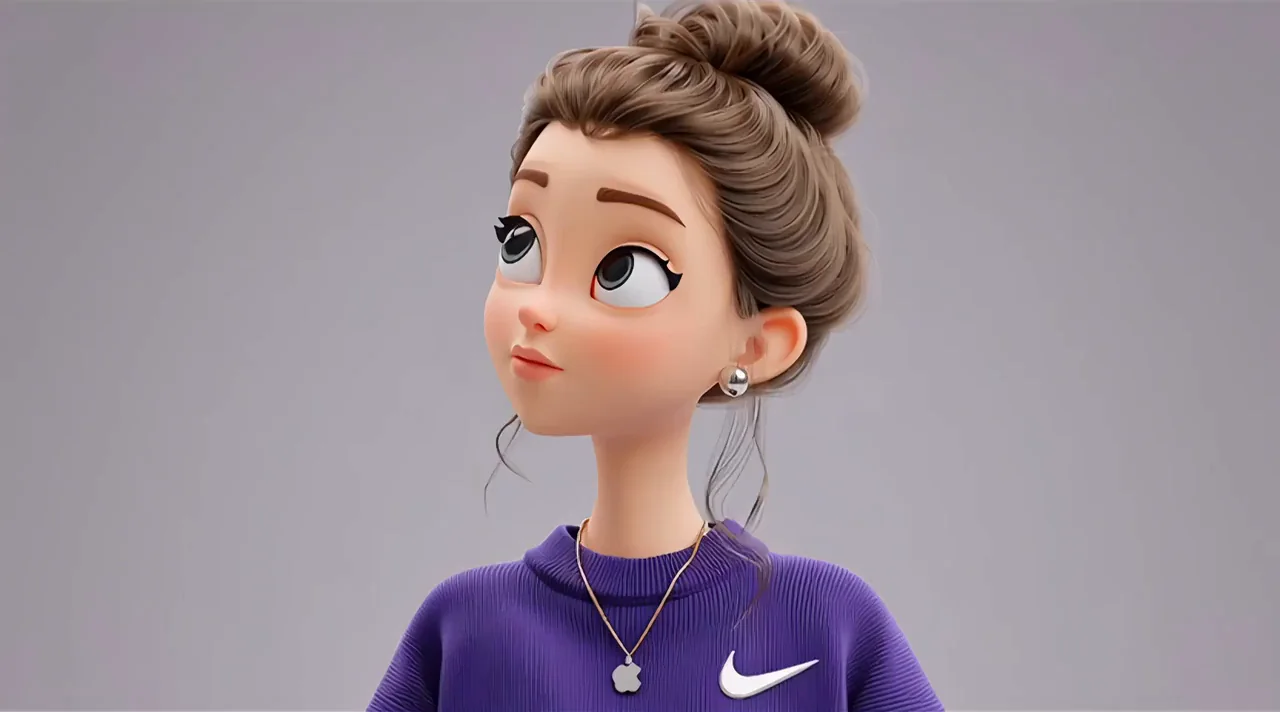
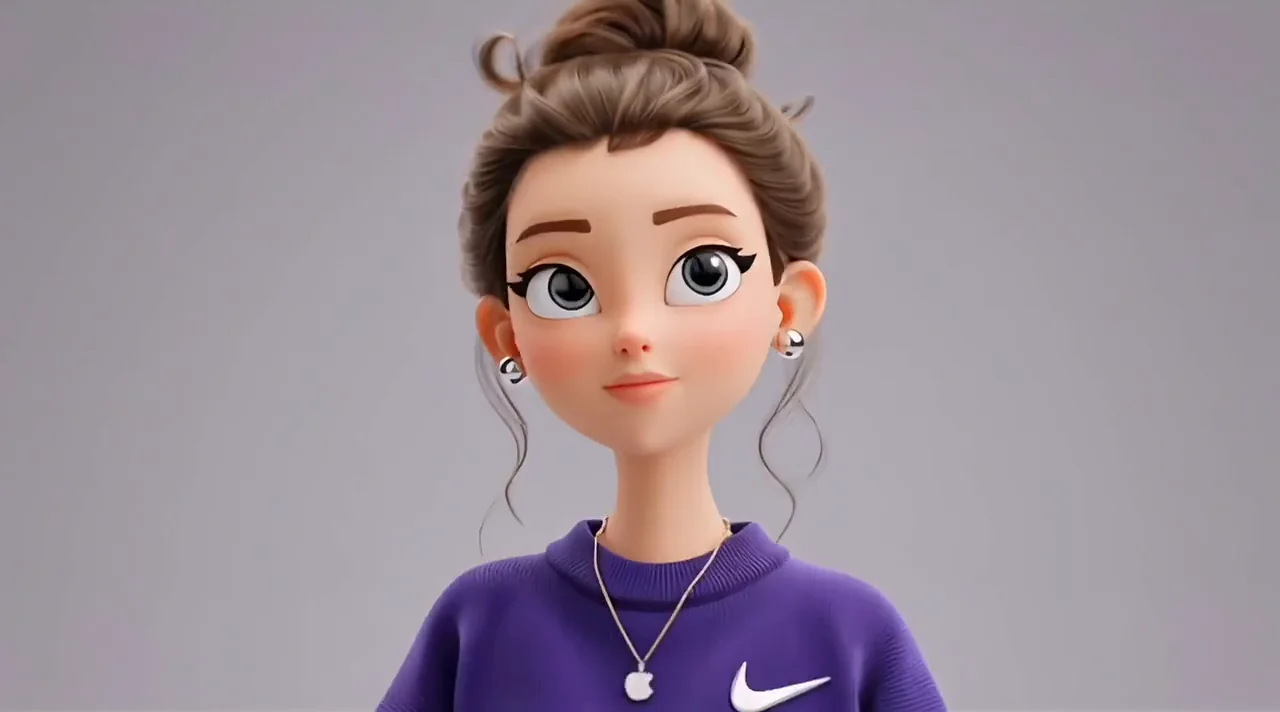
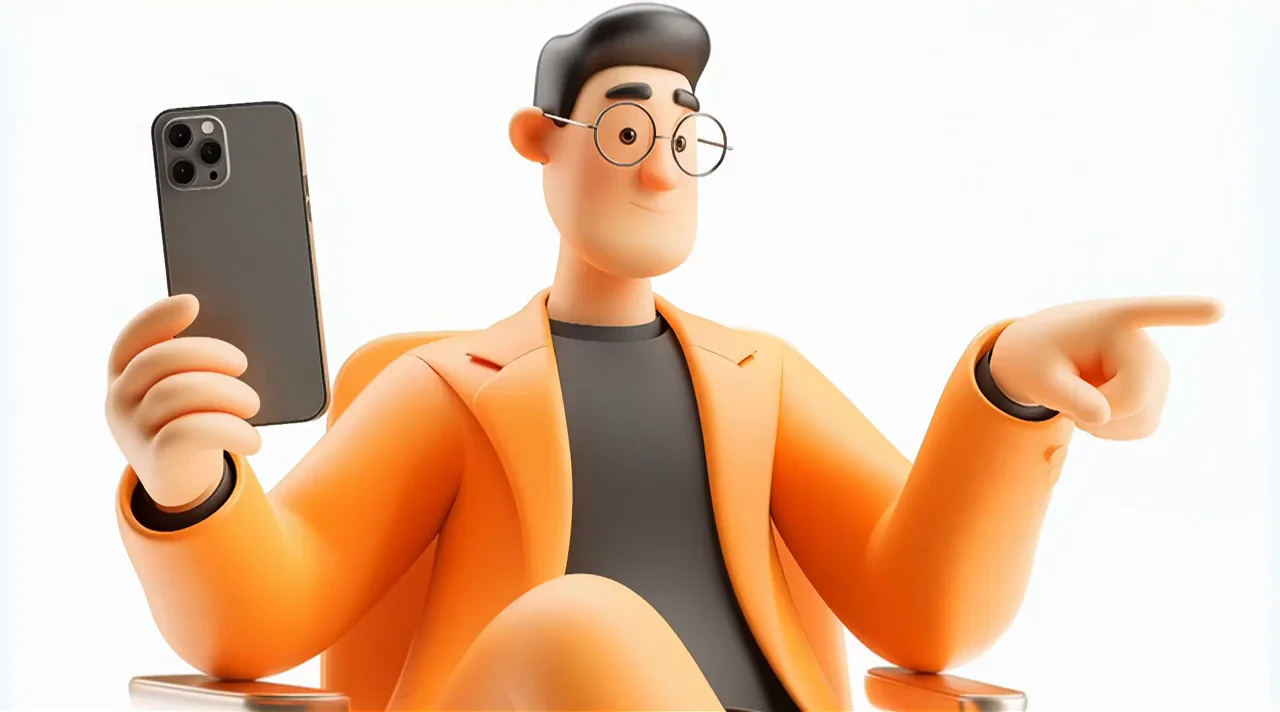
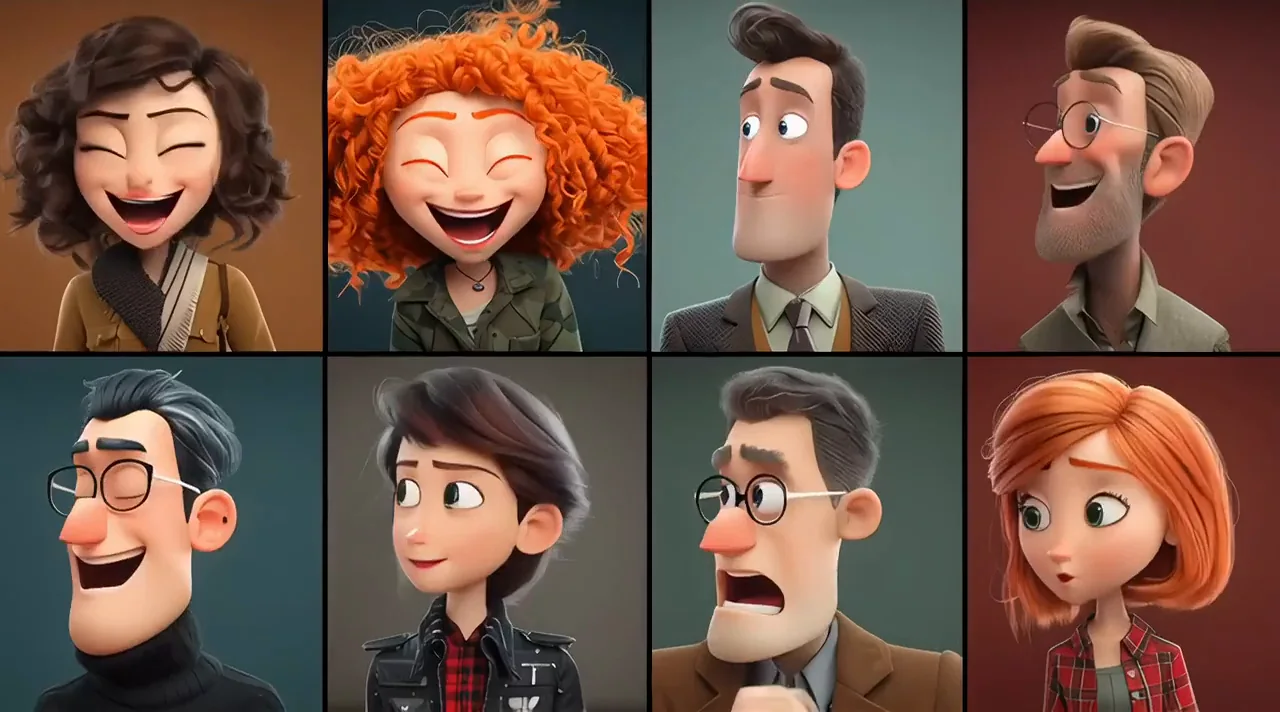
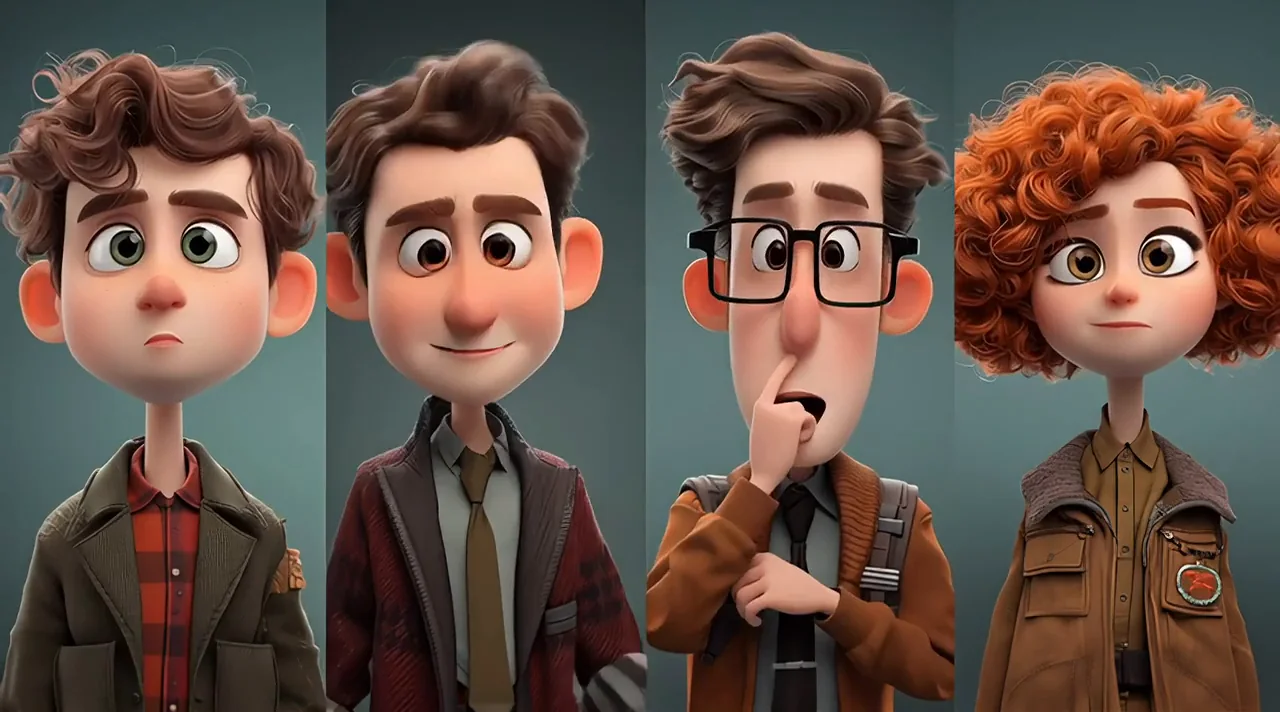
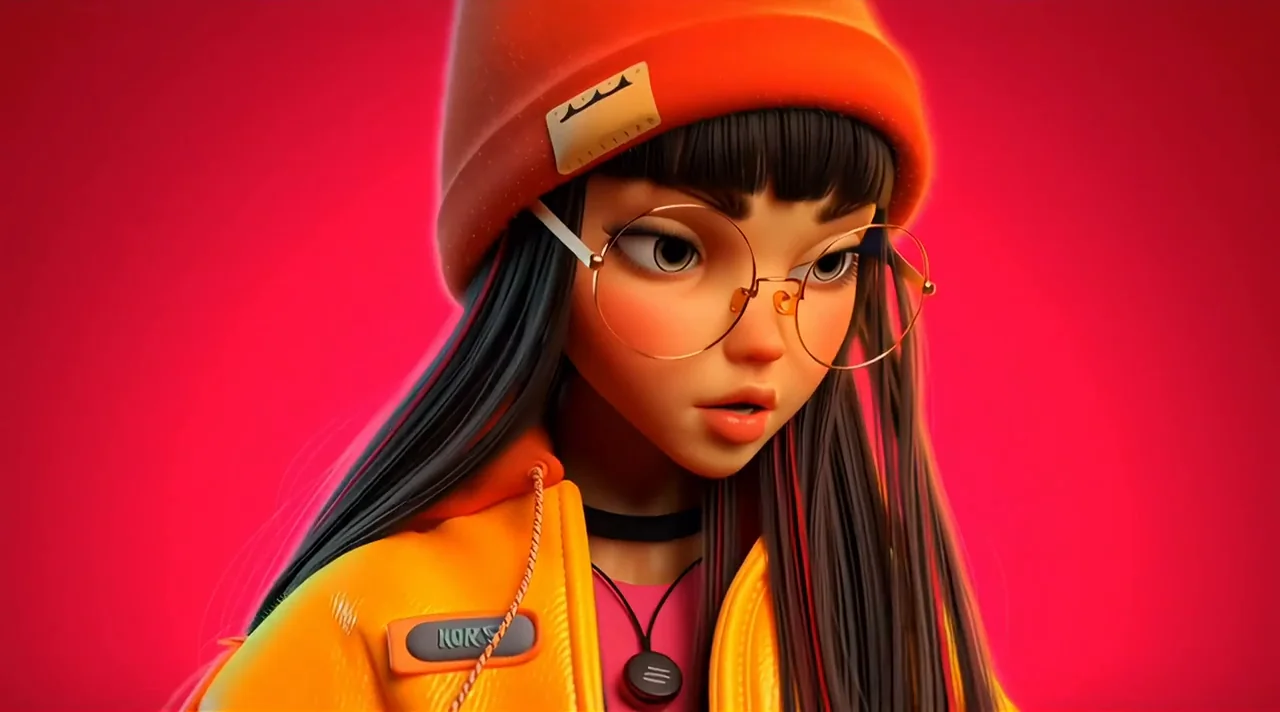
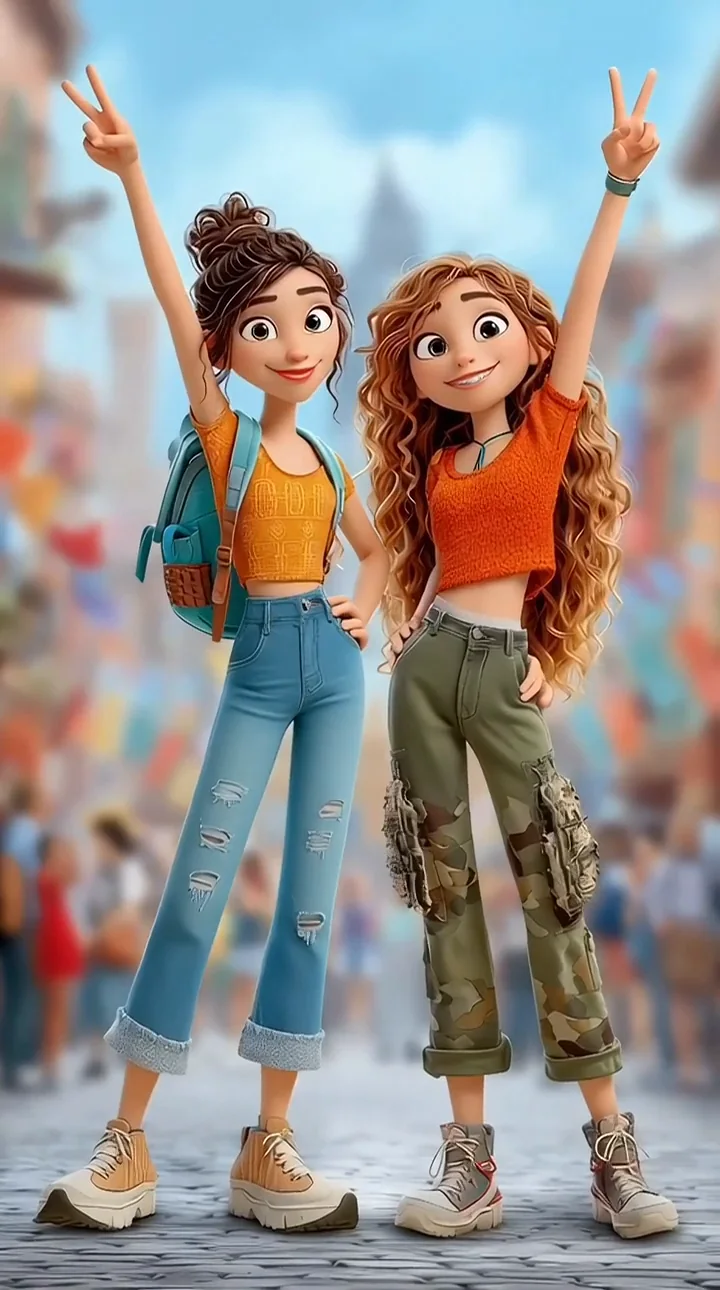
The 38.5-second landscape reel focuses on character lineups, fashion, streetwear, product-facing scenes, creator-style personalities, fitness, group identity, and facial-expression studies. The wider frame allows multiple characters to share the composition and makes it useful for campaign concepts, YouTube, presentation videos, website banners, and ensemble storytelling.
The landscape reel is built around immediate visual readability. Streetwear silhouettes, accessories, color blocking, facial proportions, and group arrangements help each character register in a few seconds.
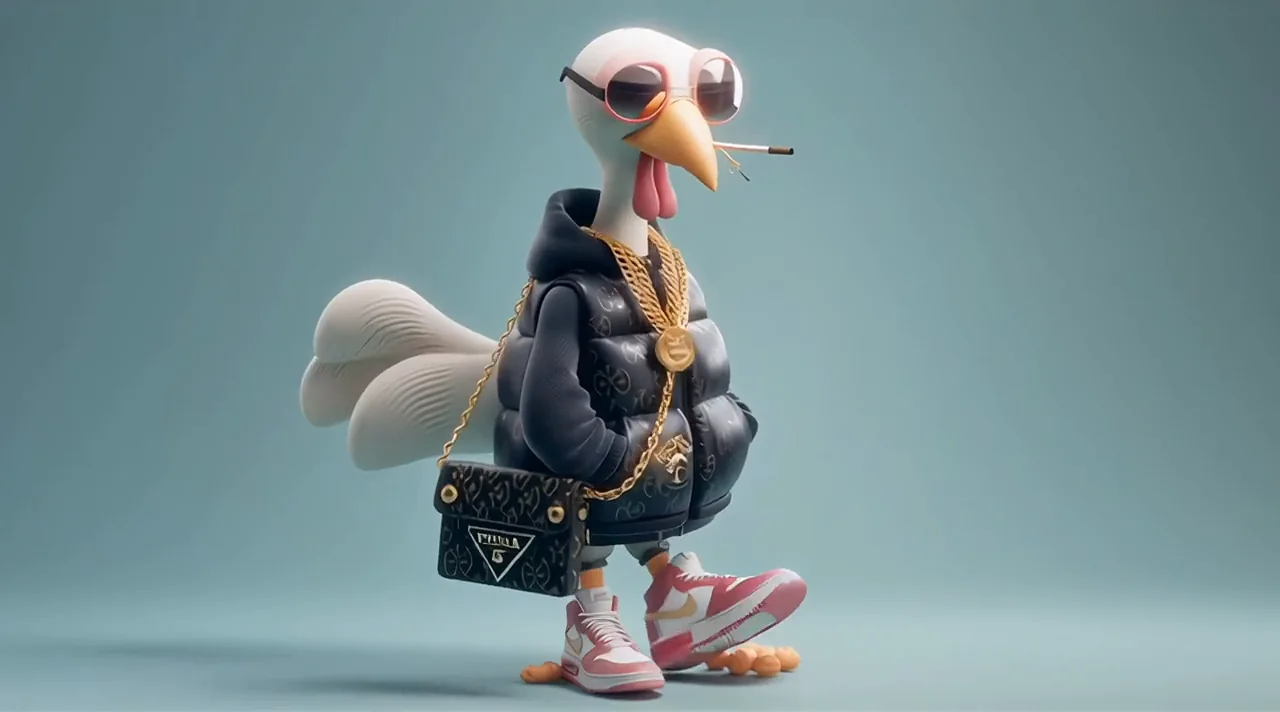
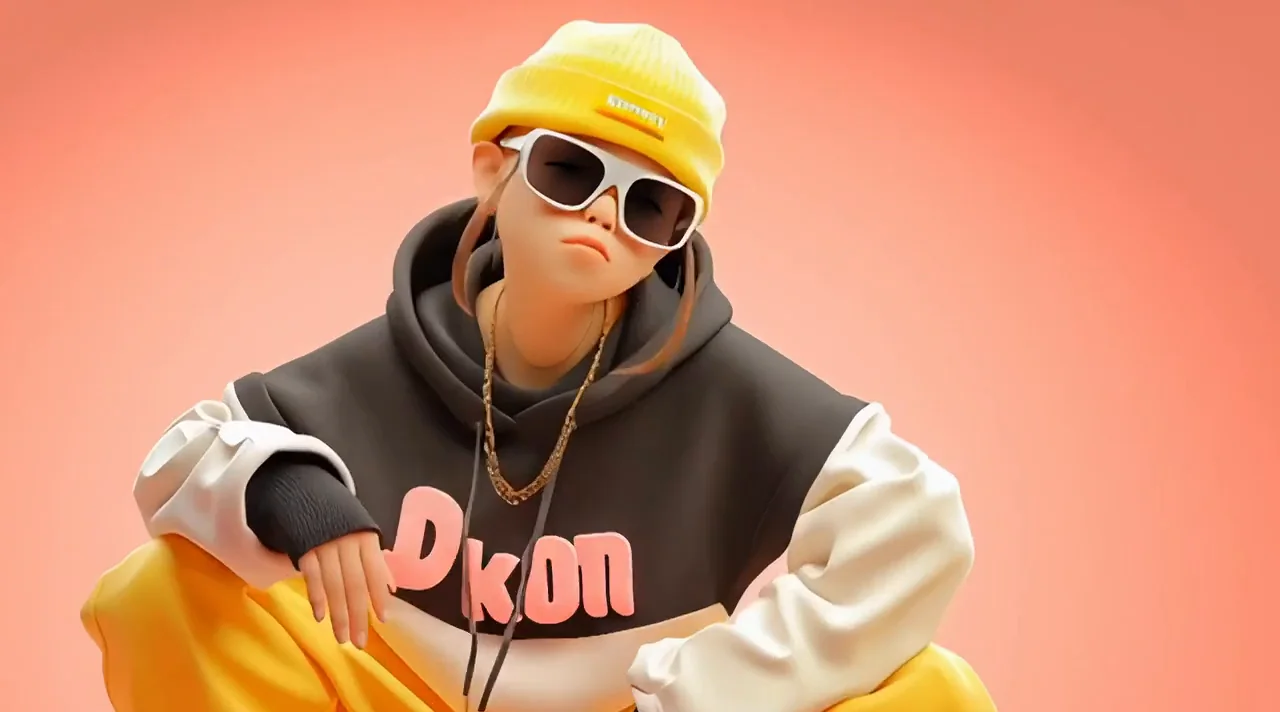
Several concepts are framed like potential commercial creators, retail personalities, fitness hosts, fashion avatars, or branded mascots. Other shots focus on expression grids and character lineups that could support casting, tone comparison, or early campaign development.
The wider format makes it possible to compare multiple characters at once while keeping their proportions, costumes, expressions, and group relationships readable.
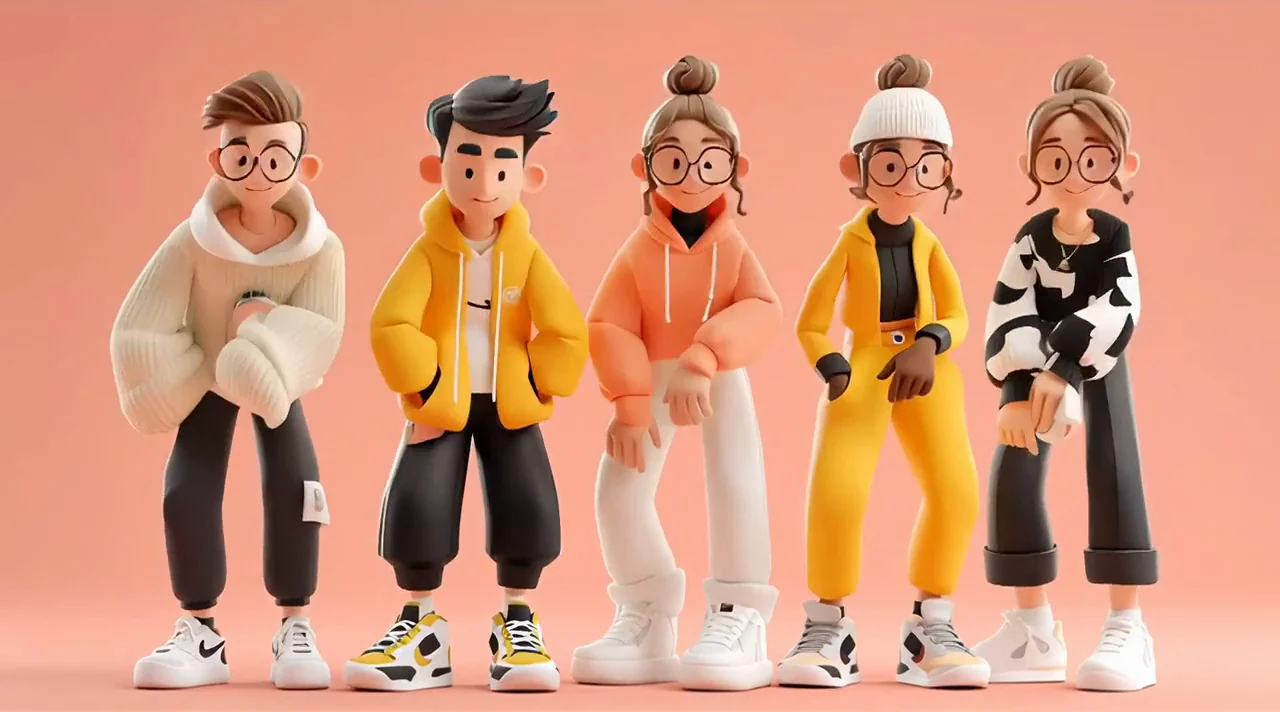
Twelve frames tracing the reel's movement through fashion, retail, fitness, creator concepts, group identity, and expression studies.
57.6 SECONDS / PORTRAIT
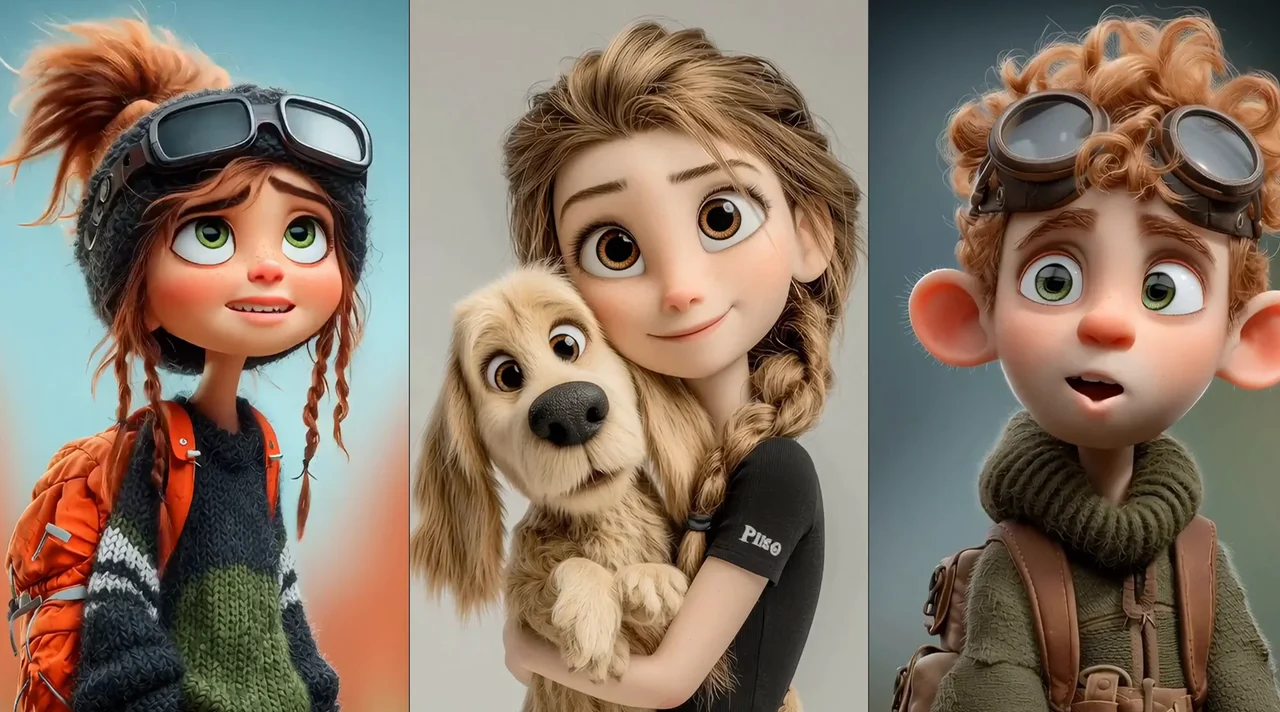
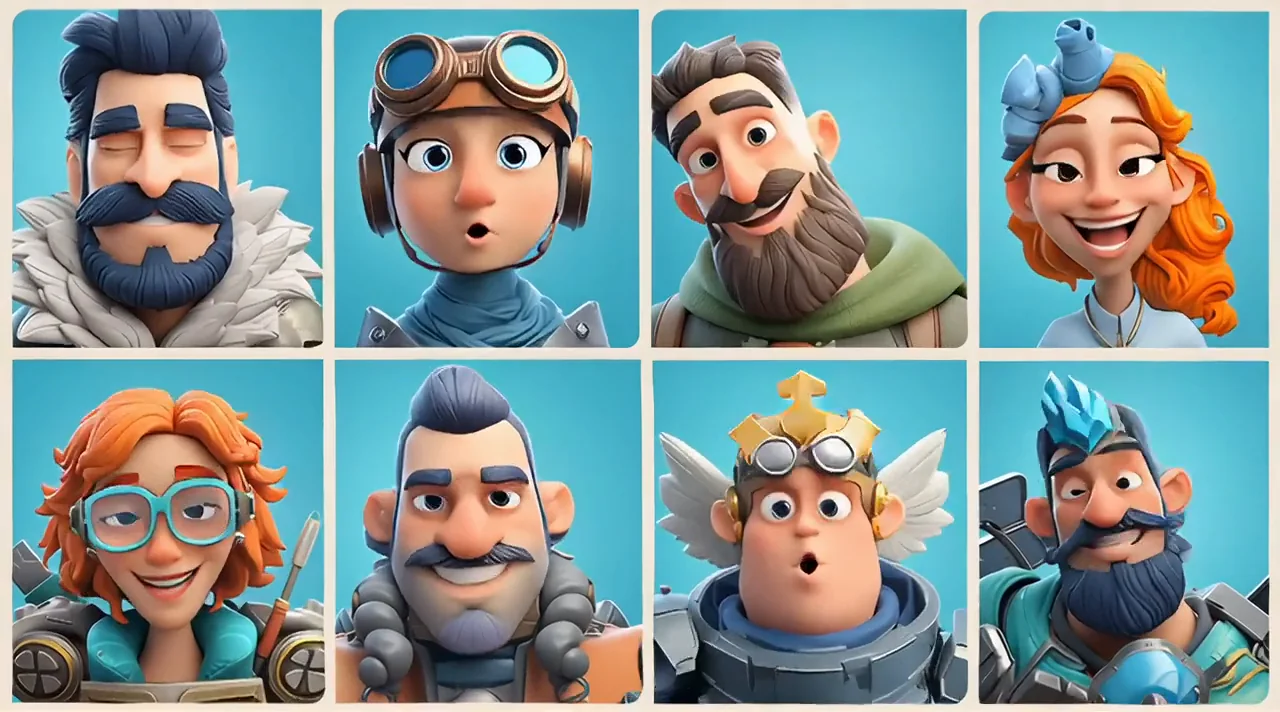
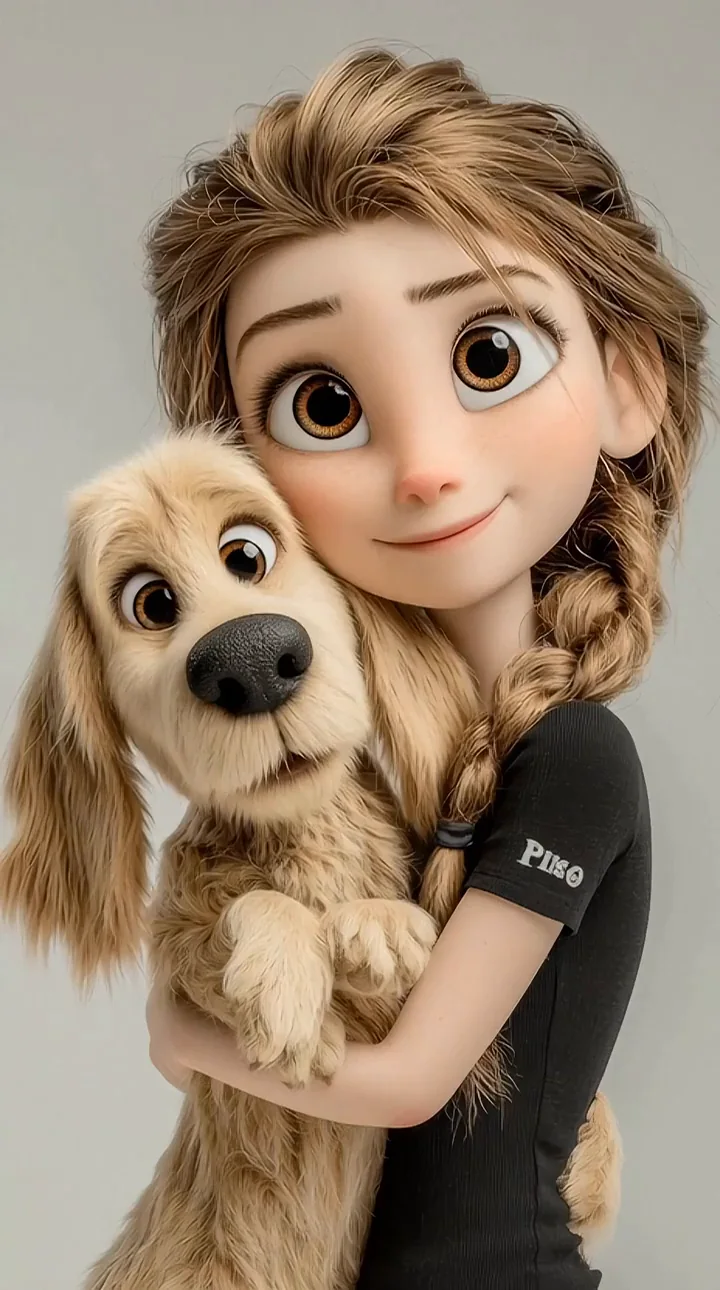
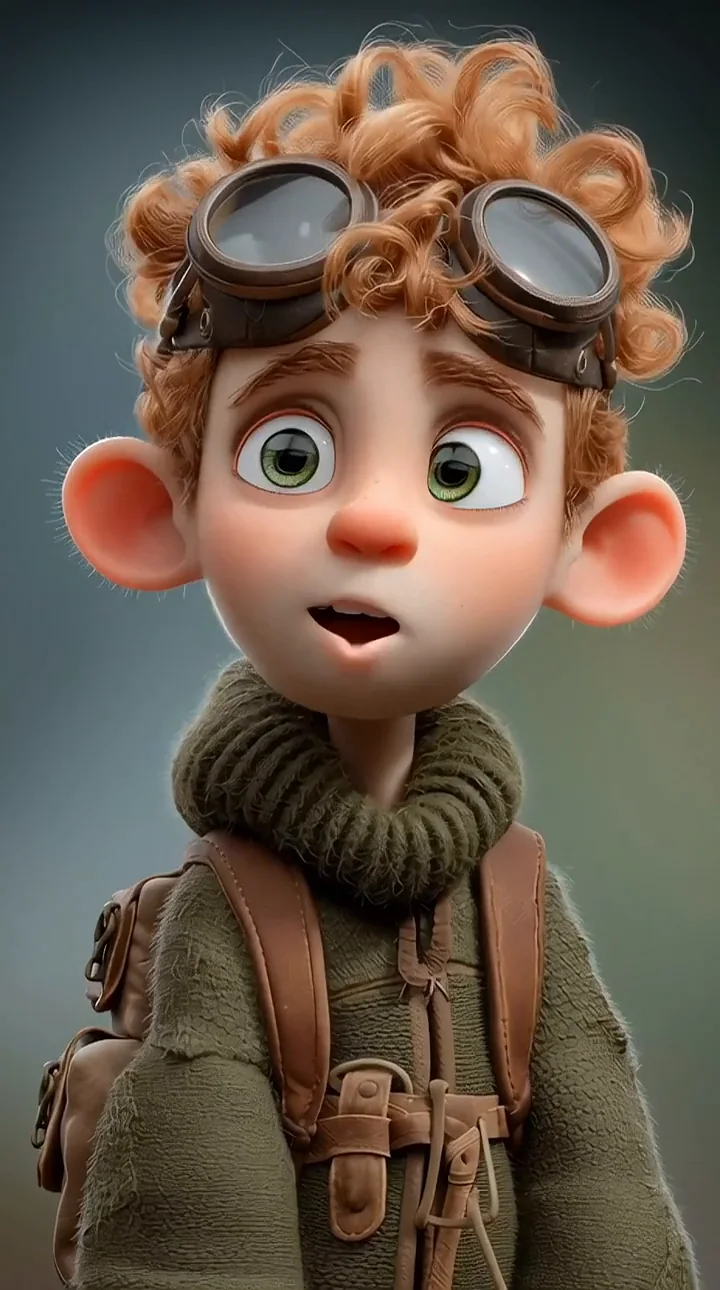
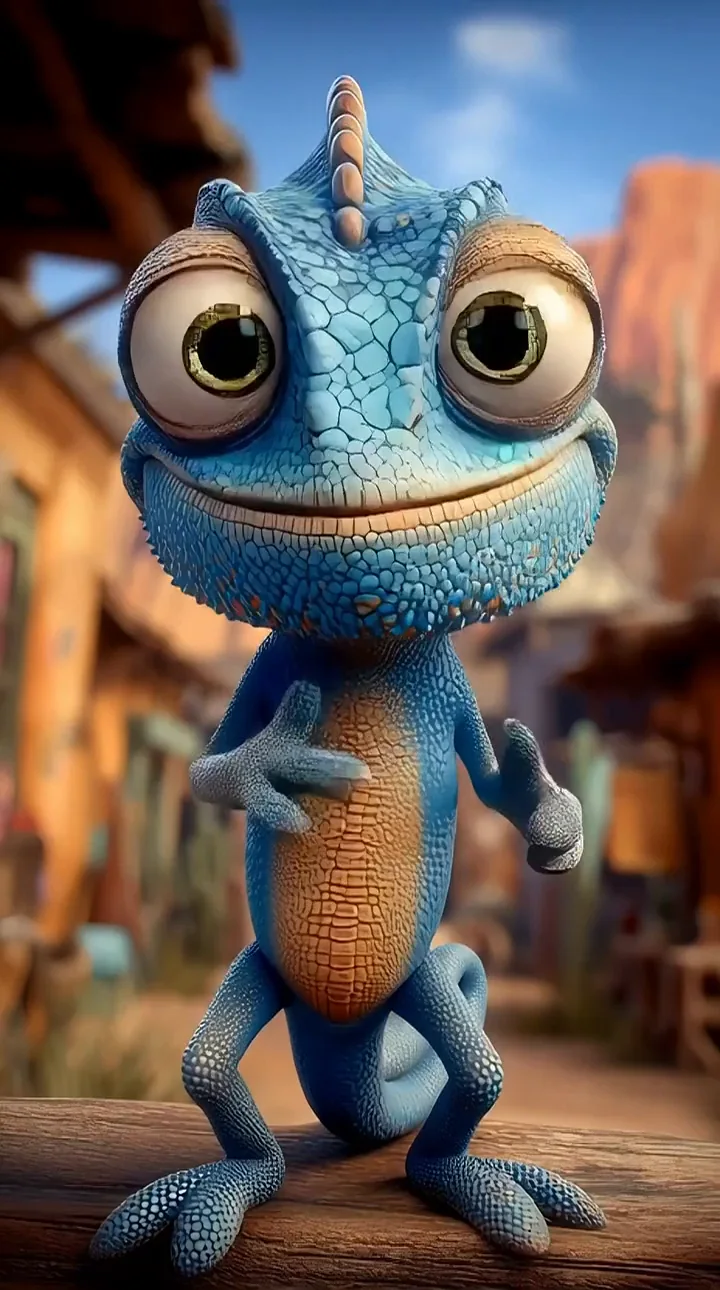
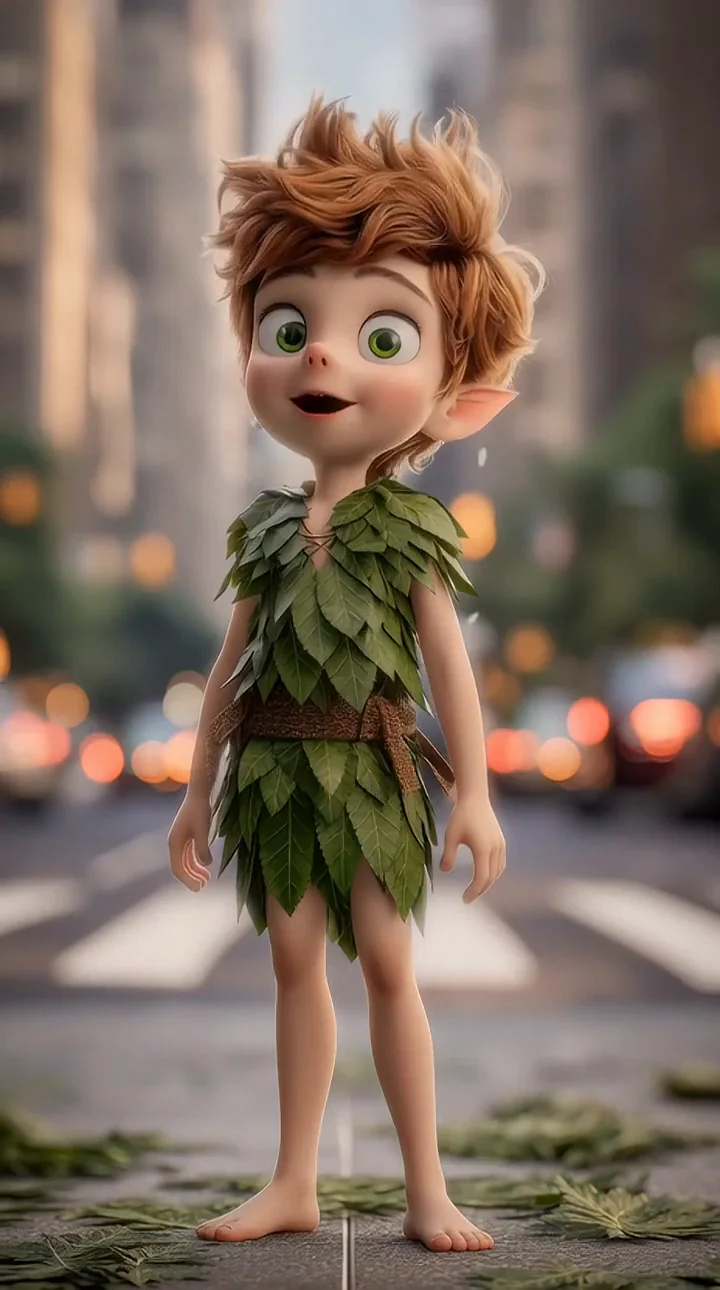
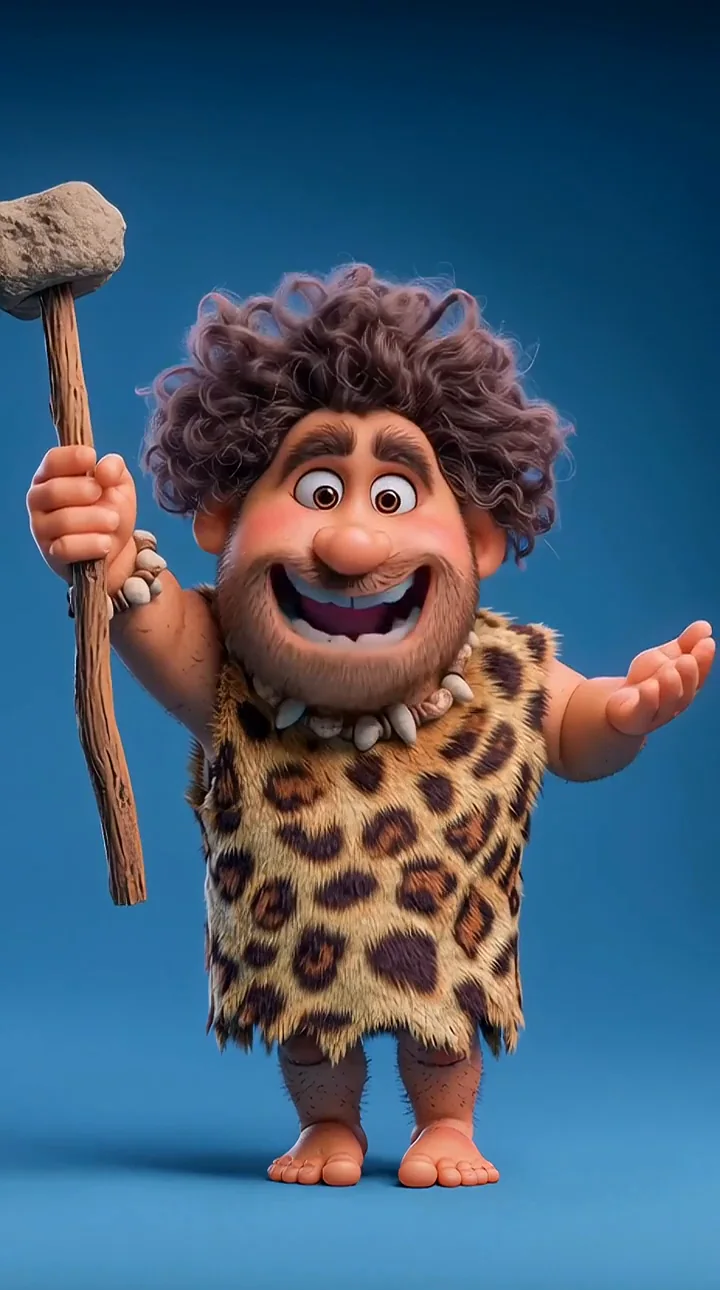
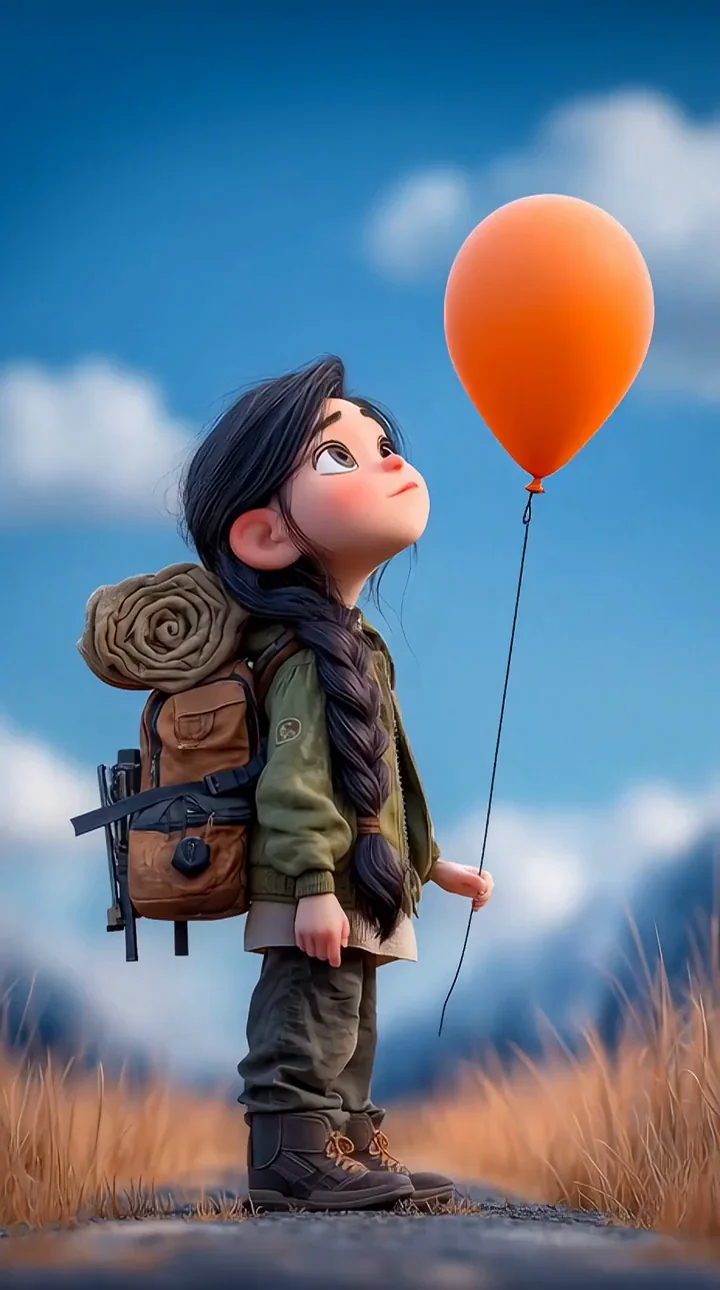
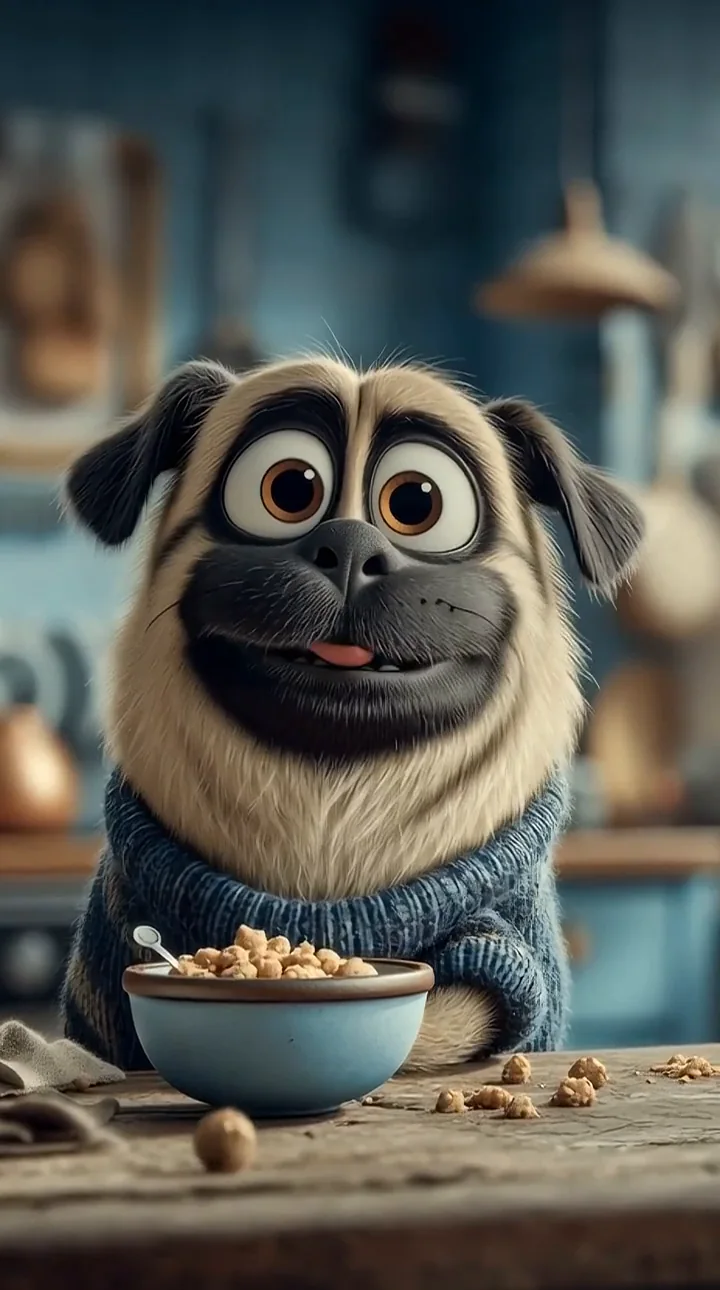
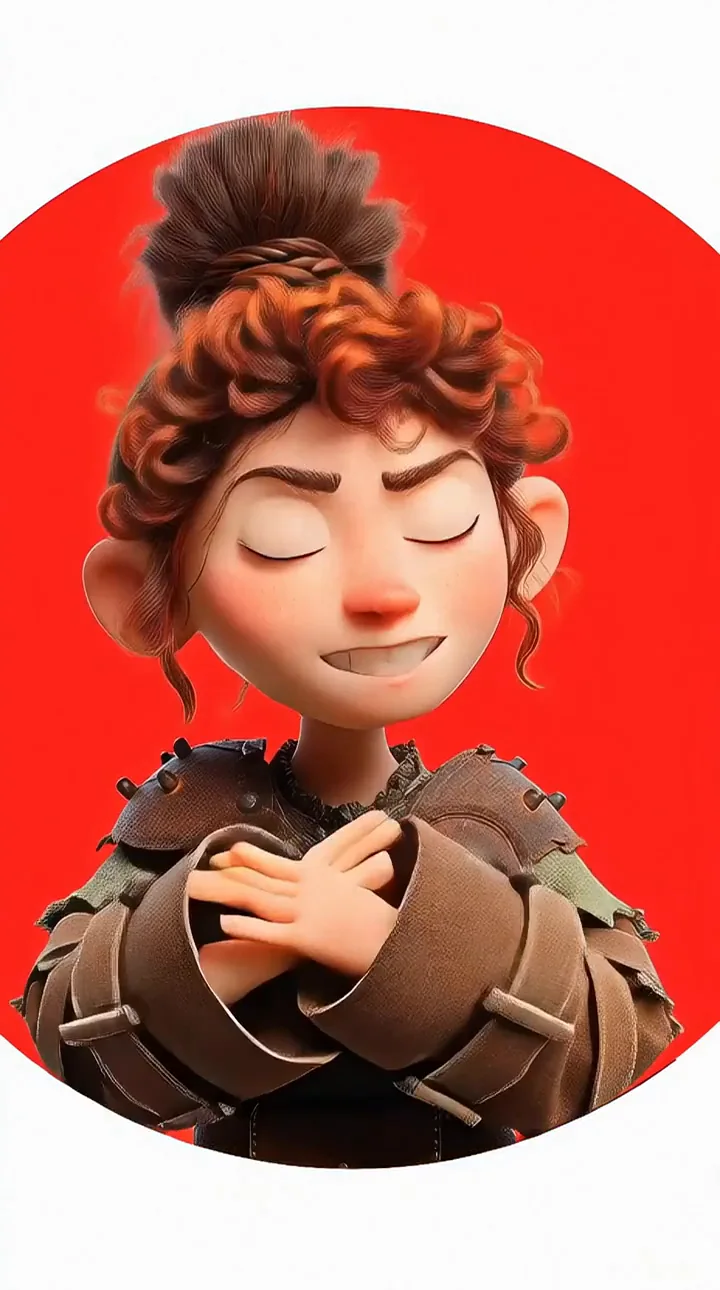
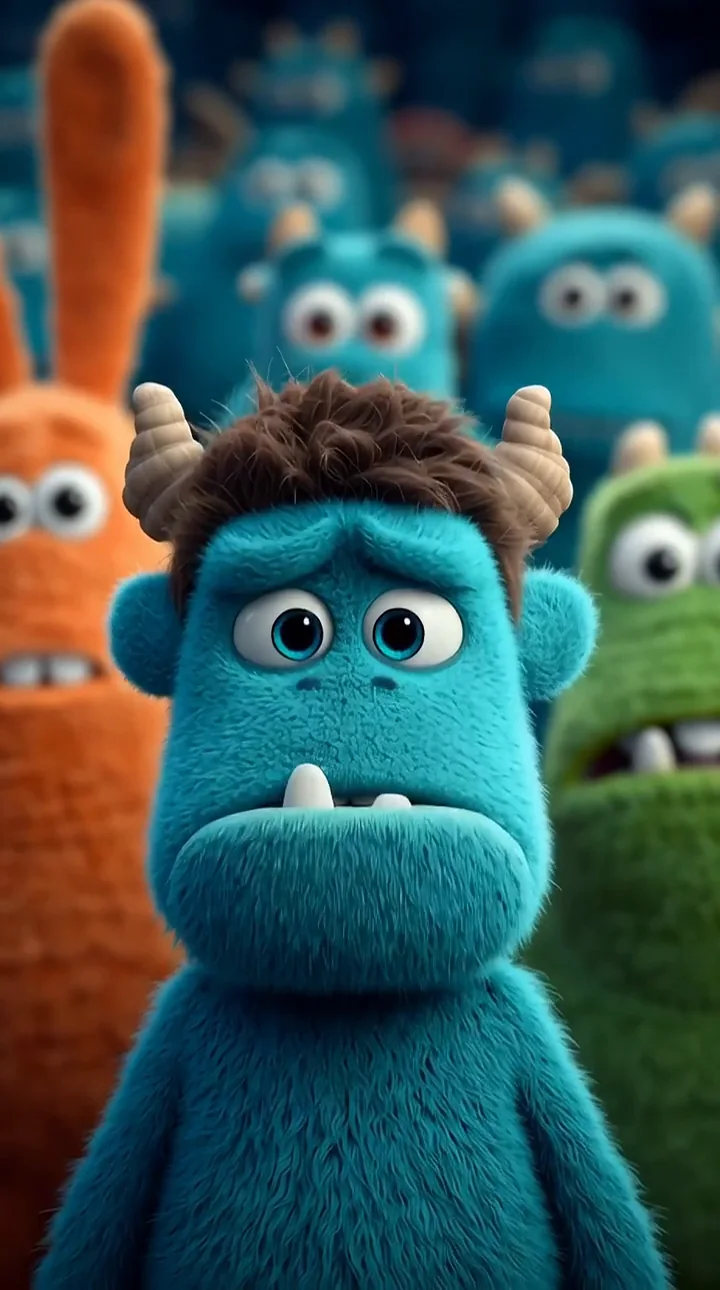
The 57.6-second portrait reel places more attention on individual expression, emotional close-ups, creatures, pets, adventure characters, fantasy, humor, and family-animation-inspired storytelling. The tall frame makes it suitable for Reels, TikTok, Shorts, mobile ads, character introductions, episodic vertical content, and creator-led social stories.
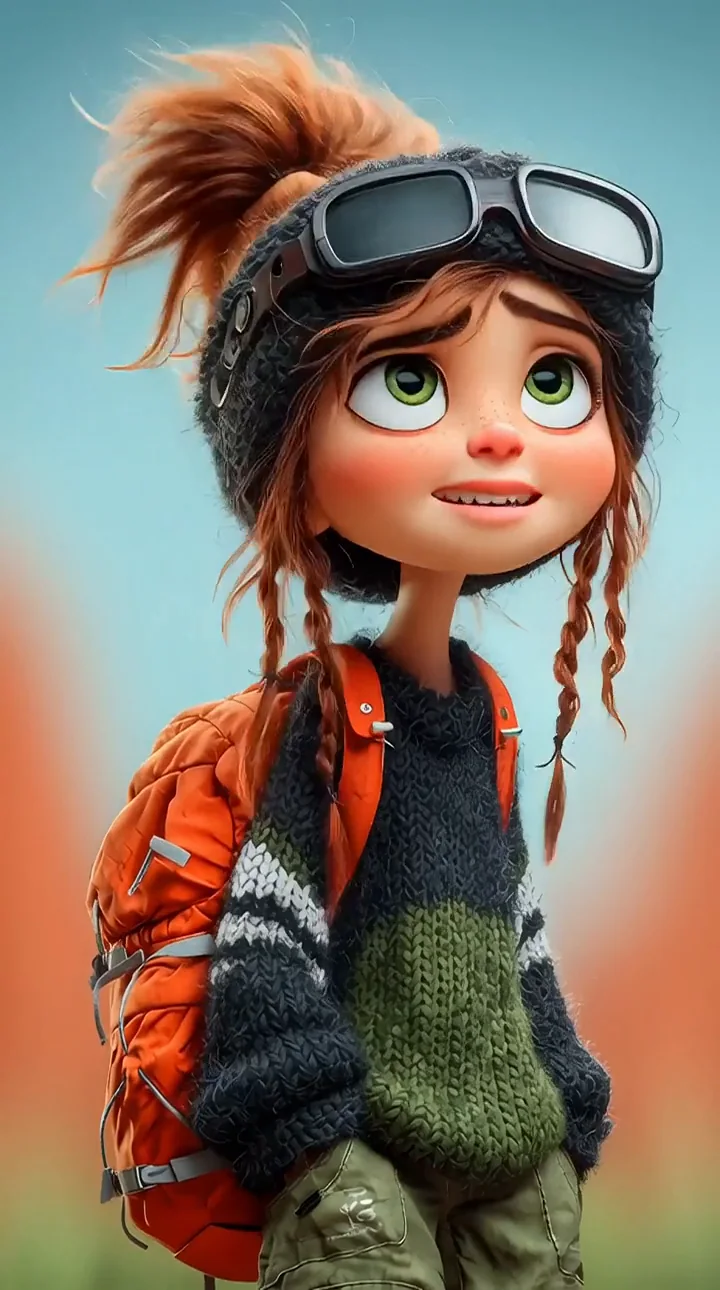
Portrait media gives the face more weight. Small changes in the eyes, mouth, posture, and timing become more visible, so the reel leans into reaction, vulnerability, humor, curiosity, and wonder.
The characters range from young adventurers and pet owners to fantasy creatures, prehistoric personalities, travelers, and quieter emotional portraits. Together, they show how the same AI-assisted workflow can support light comedy, family storytelling, educational content, emotional shorts, or mobile-first branded entertainment.
The close portrait composition makes costume details, facial expression, silhouette, and character presence readable on a mobile screen.
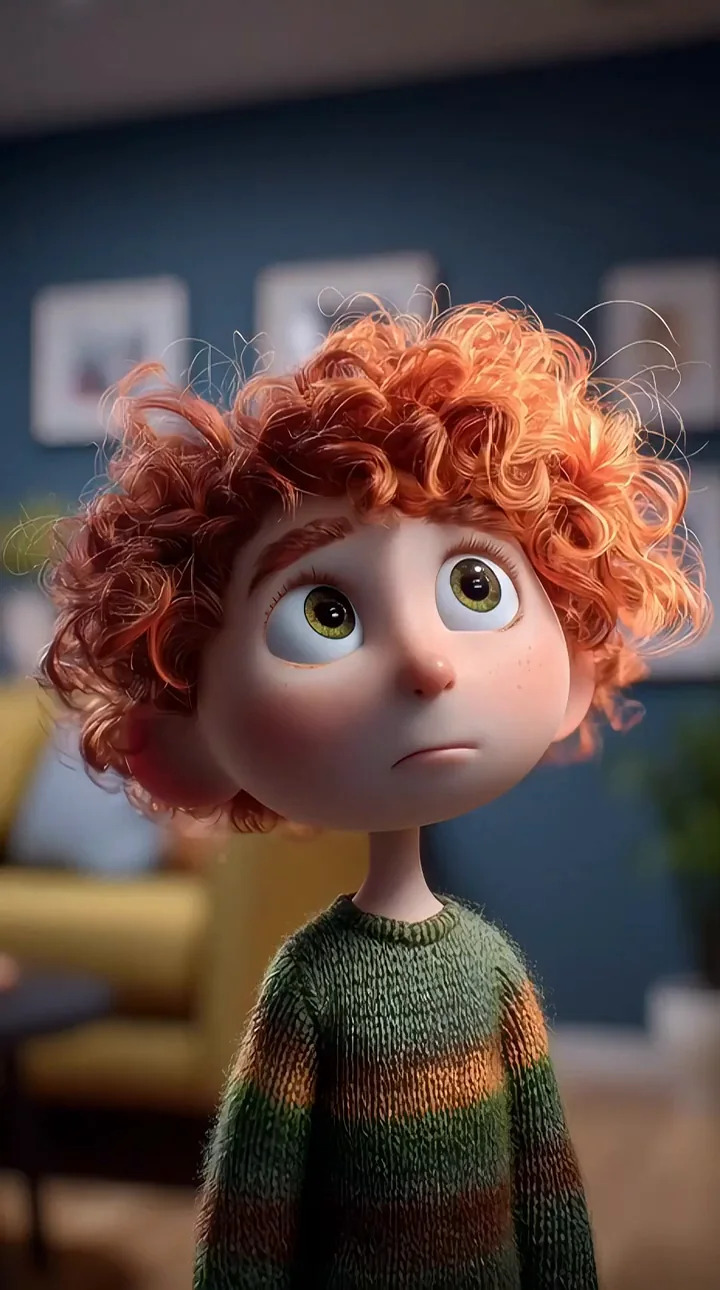
Twelve vertical frames exploring adventure, pets, creatures, comedy, friendship, and quieter emotional character moments.
Establish the intended audience, tone, format, character function, and likely media. A mascot, commercial spokesperson, YouTube host, fantasy character, and emotional short-film lead require different visual decisions.
Midjourney, ChatGPT Image Gen, and FLUX were used to explore silhouettes, faces, ages, proportions, costume systems, materials, color palettes, and environment relationships.
Promising concepts were compared for readability, personality, expression range, and how clearly they could support the intended niche.
Runway, Google Veo 3, and Kling 2.5 were used to test full-body motion, facial expression, posing, creature movement, camera energy, and short performance beats.
Generated outputs were reviewed manually. Shots were selected for character appeal, movement quality, composition, emotional clarity, and compatibility with the surrounding edit.
CapCut was used to build the final pacing, music structure, sequencing, transitions, and light sound treatment.
For a production engagement, the next stage would include a character bible, approved turnaround views, expression sheets, pose references, costume rules, palette rules, prompt and image-reference constraints, and continuity testing across multiple scenes.
The reels demonstrate breadth: different faces, body types, creatures, costumes, moods, and formats. Reuse requires an additional layer of control.
Once a direction is selected, I can develop a more structured character package around it. That package may include consistent reference images, turnaround views, expression and pose sheets, costume variations, scale rules, environment references, motion tests, and a review process for keeping the character recognizable across future assets.
Potential reusable outputs include branded mascot systems, AI spokesperson or creator concepts, social-ad characters, YouTube hosts and recurring cast members, short-form narrative series, explainer and educational characters, ecommerce personalities, family and youth content, entertainment previsualization, and character visual bibles.
The characters are not presented as fully locked for long-form continuity. The reels show conceptual and animation potential. Production-grade consistency would be developed in the next phase.
Exploring different ages, body types, silhouettes, species, materials, and costume systems without losing visual appeal.
Using facial design, posture, gesture, and timing to communicate emotion quickly.
Designing and editing separately for landscape and portrait rather than forcing one composition into every channel.
Moving beyond static concept art to evaluate whether a character direction can hold attention in animation.
Showing how stylized characters could support products, social ads, branded content, creator formats, and entertainment concepts.
Selecting, sequencing, and refining AI-generated material through manual judgment rather than treating the first output as finished work.
The final project brings together two distinct media environments: a 38.5-second landscape reel built around lineups, lifestyle, expression systems, and commercial possibilities; and a 57.6-second portrait reel focused on individual emotion, creatures, adventure, humor, and mobile-first storytelling.
Because this was a self-initiated study, the outcome is creative proof rather than a client or campaign result. The reels show how I approach character ideation, motion testing, format-specific editing, and the early development of reusable visual systems.
This is an independent, self-initiated style and capability study. Pixar and Disney did not commission, sponsor, approve, or endorse this work. Pixar is a trademark of Pixar Animation Studios. All characters shown were developed as original portfolio concepts rather than official franchise characters.
Send the audience, format, tone, visual references, and how the character needs to be used. I can help develop the character direction, test it in motion, build the visual rules, and prepare the assets for ads, social content, YouTube, branded storytelling, or a larger animation system.