Brief interpretation
Translate the broad claymation request into decisions about character material, texture, proportions, lighting, environment, humor, and movement.
AI CLAYMATION / PRODUCT AD CONCEPT
From Claymation Look Development to a 9:16 Facebook Ad Proposal
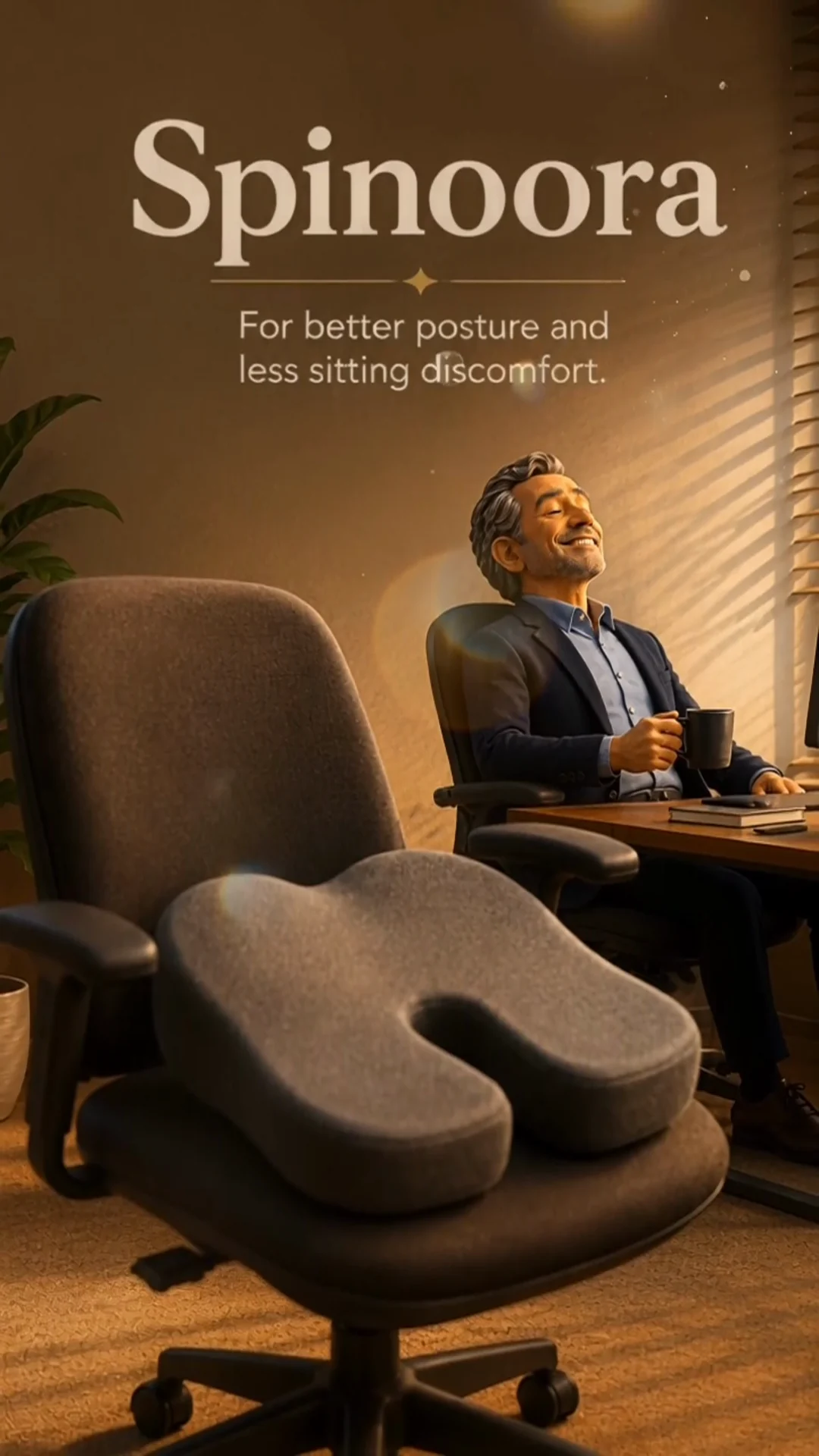
I first created a short style-development reel to help a prospective client compare claymation-inspired visual directions. After reviewing that range, the client asked me to develop Spinoora - a 34-second vertical product-ad proposal directed, edited, and composited for social delivery.
Project classification: Proposal Stage Concept. Commercial proof: Proposal Proof.
These are two different films, but together they show the full development path.
The first reel answers a visual question: What kind of claymation world should this project live in?
The second film answers a commercial question: How can that tactile visual language become a clear, fast-moving product ad for social media?
Presenting both assets together shows the difference between generating attractive clips and building a usable creative direction - from early style exploration through a complete advertising proposal.
STYLE EXPLORATION
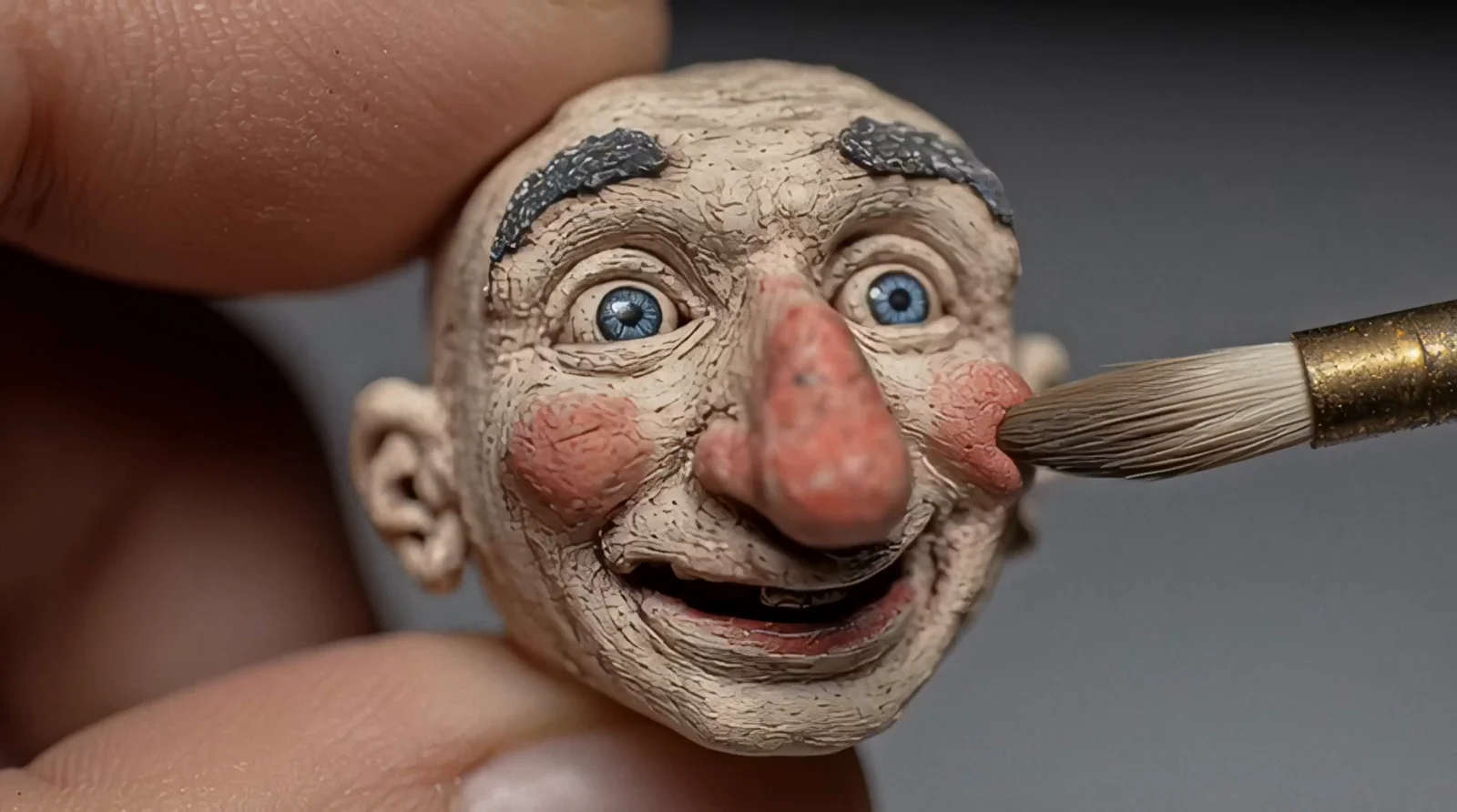
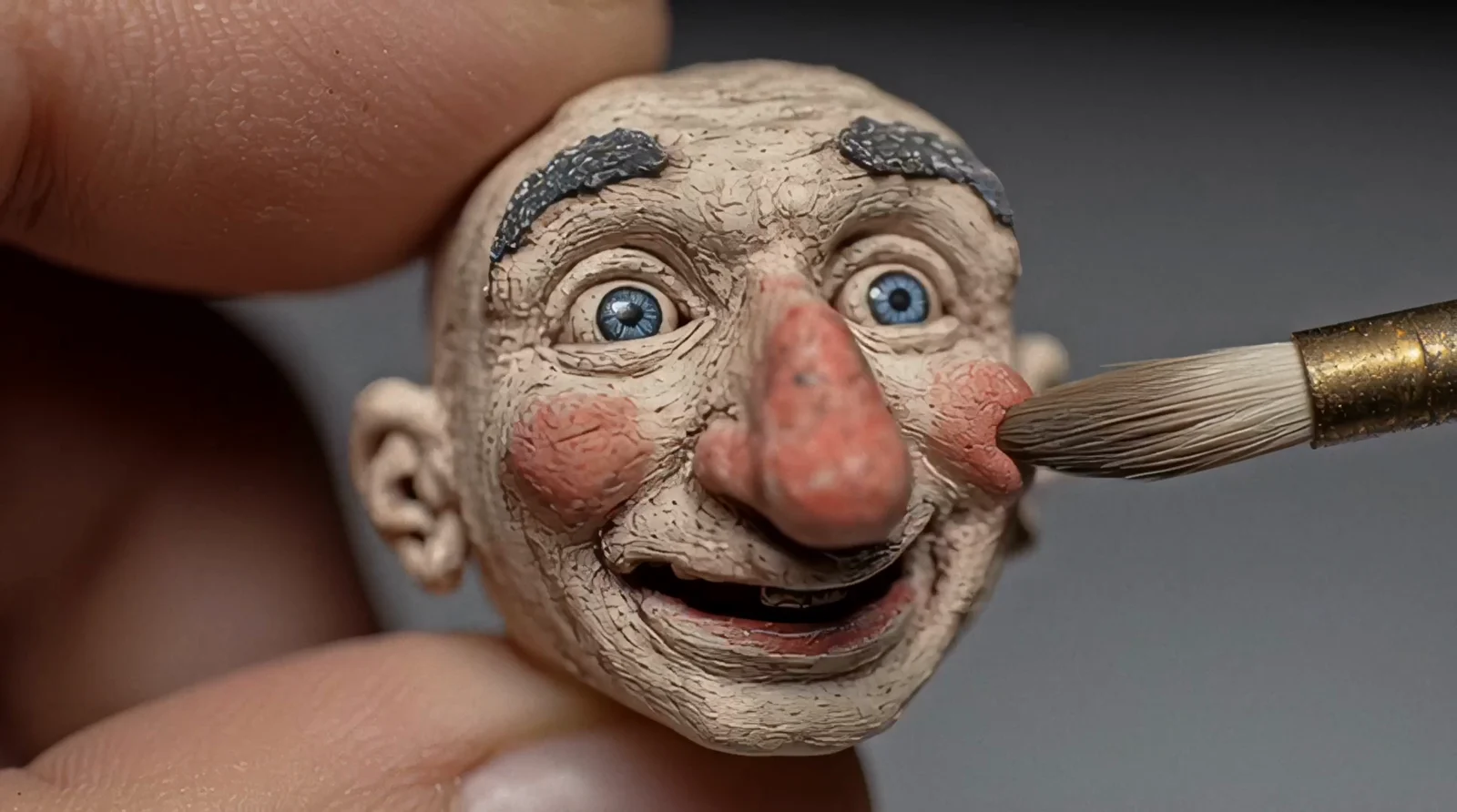
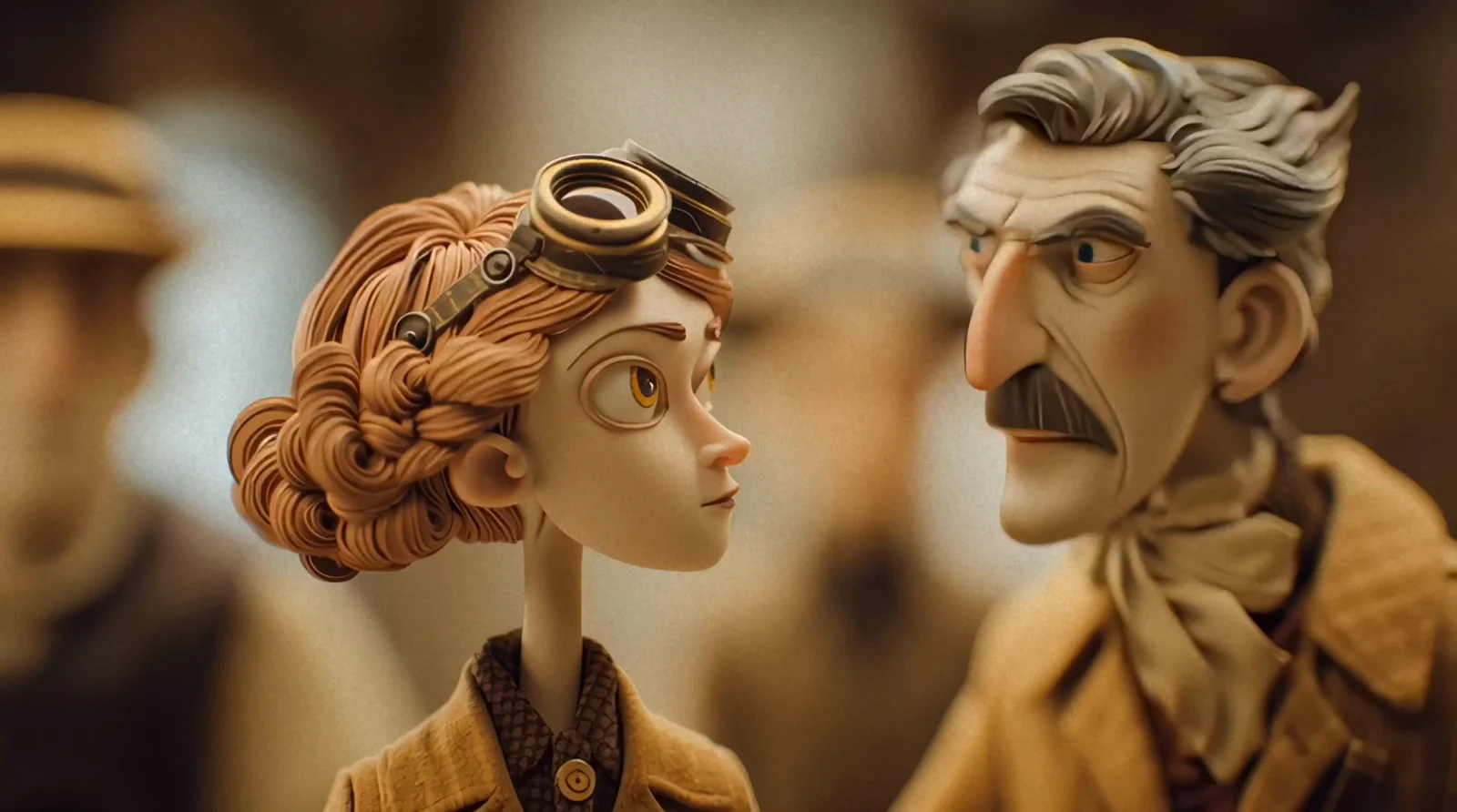
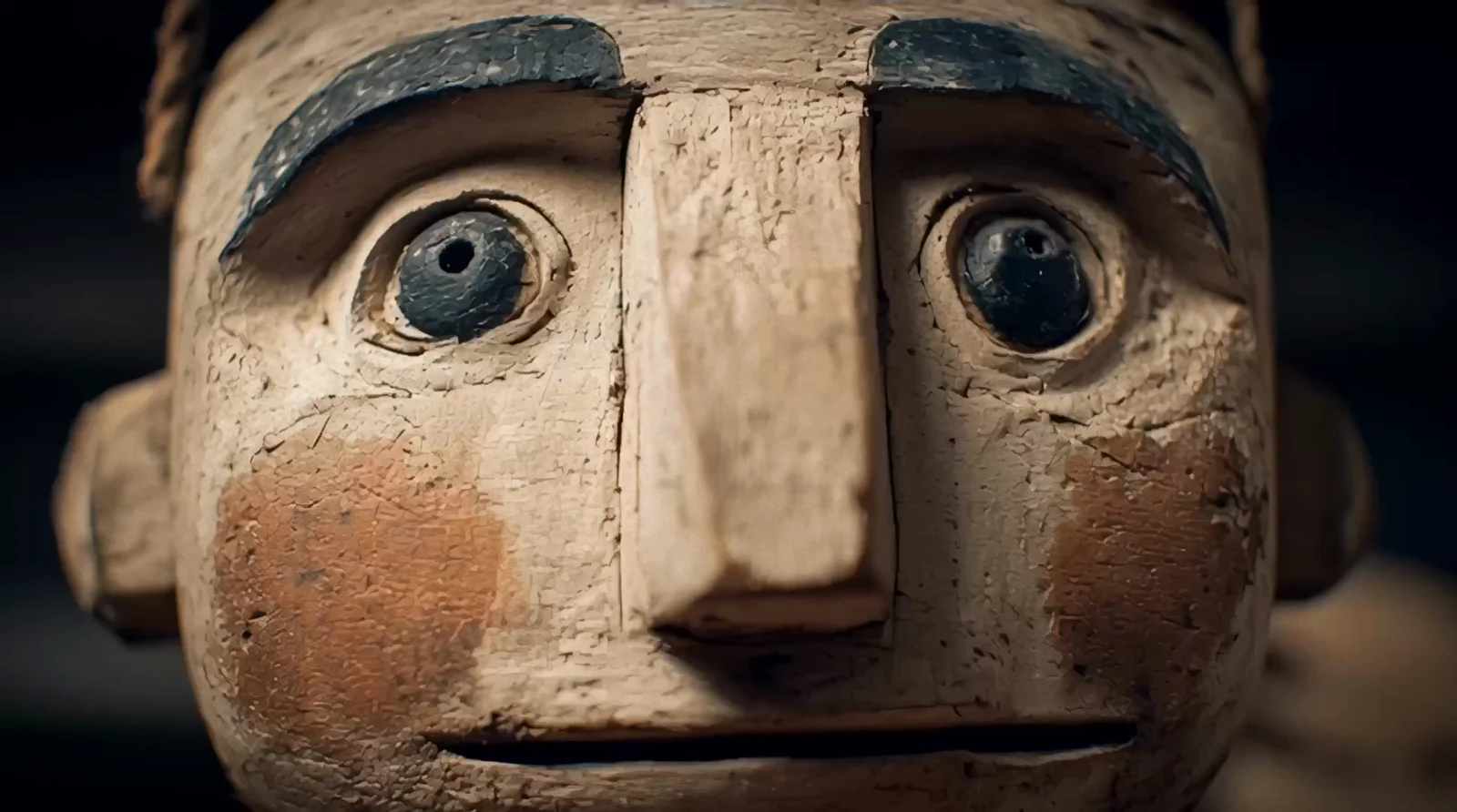
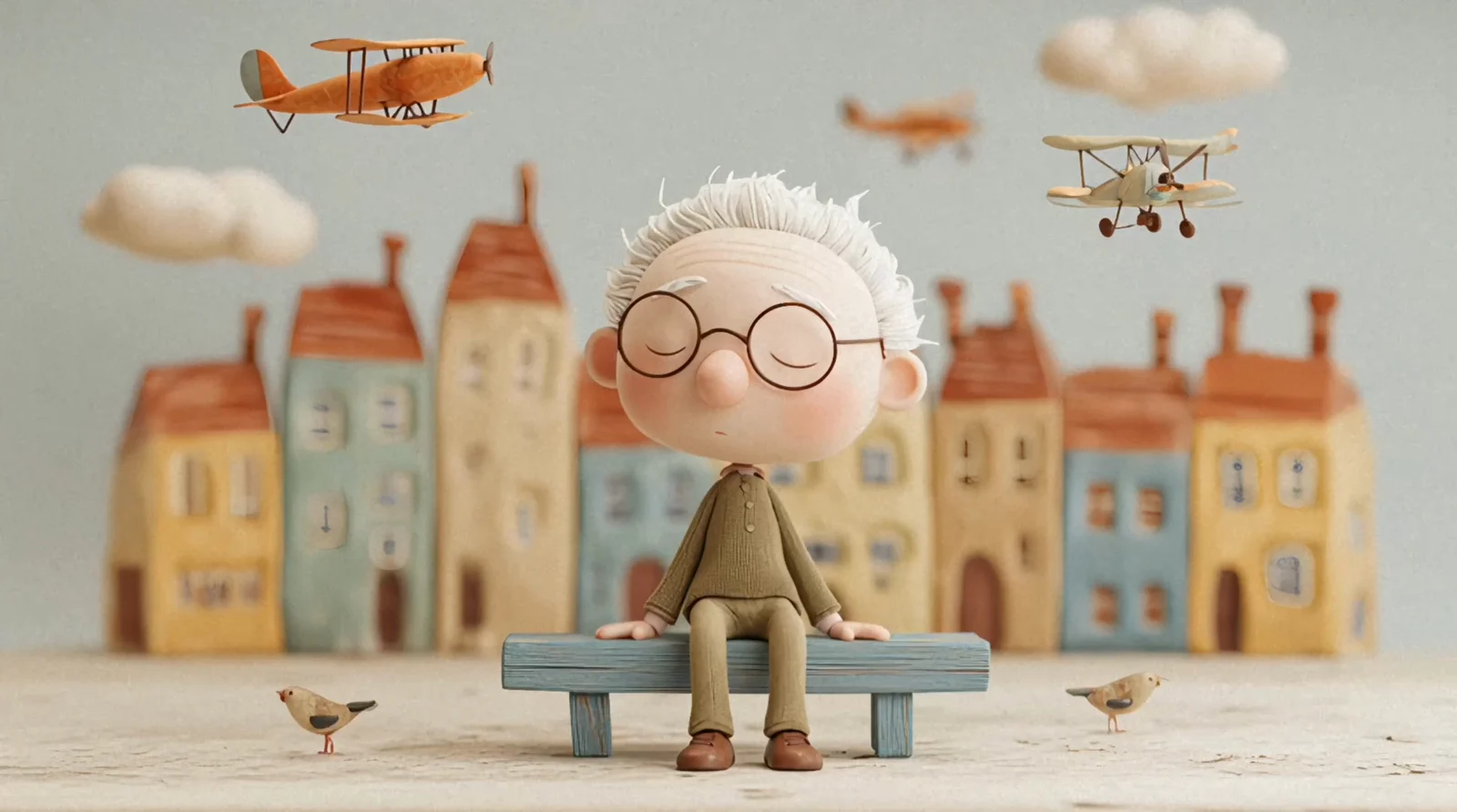
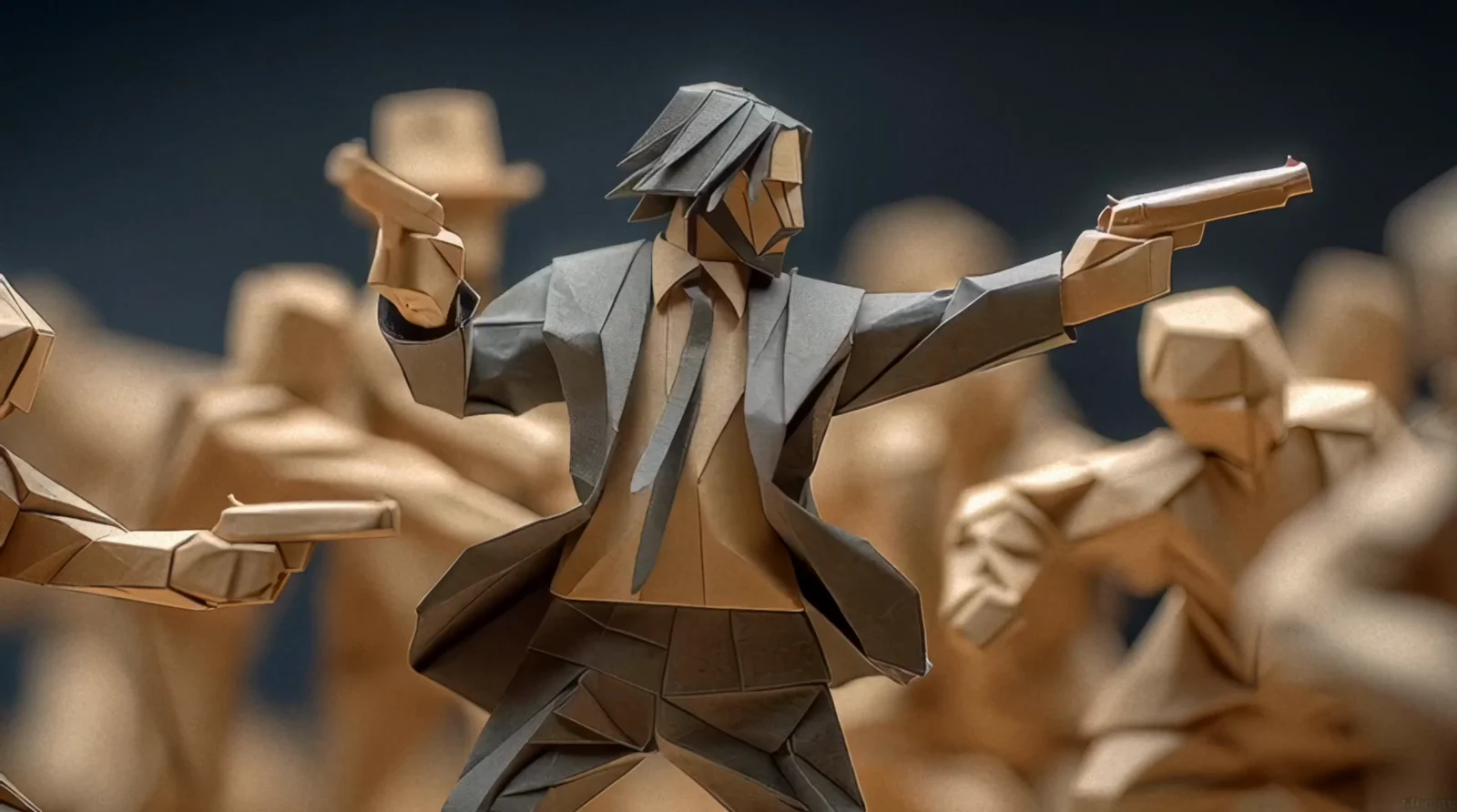
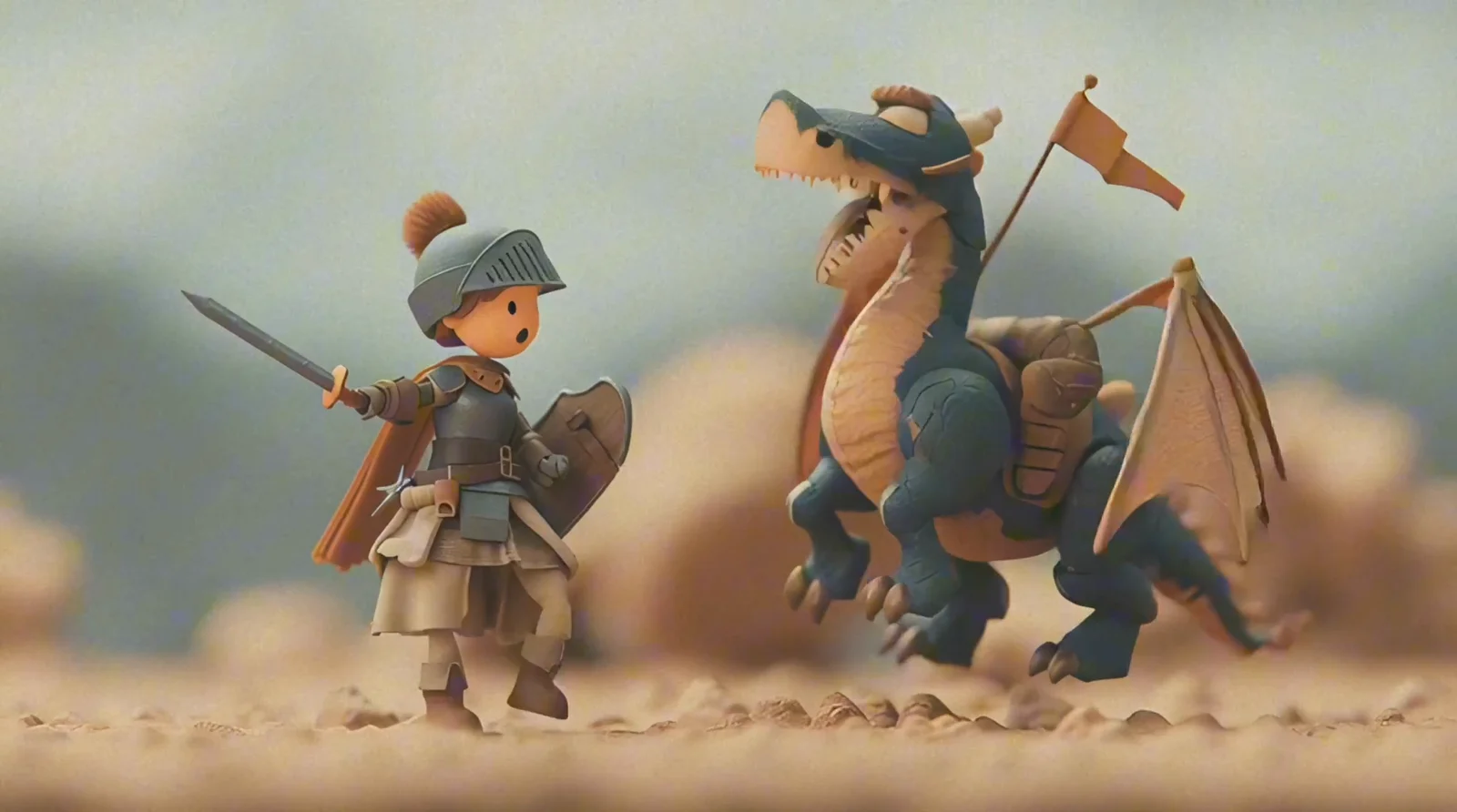
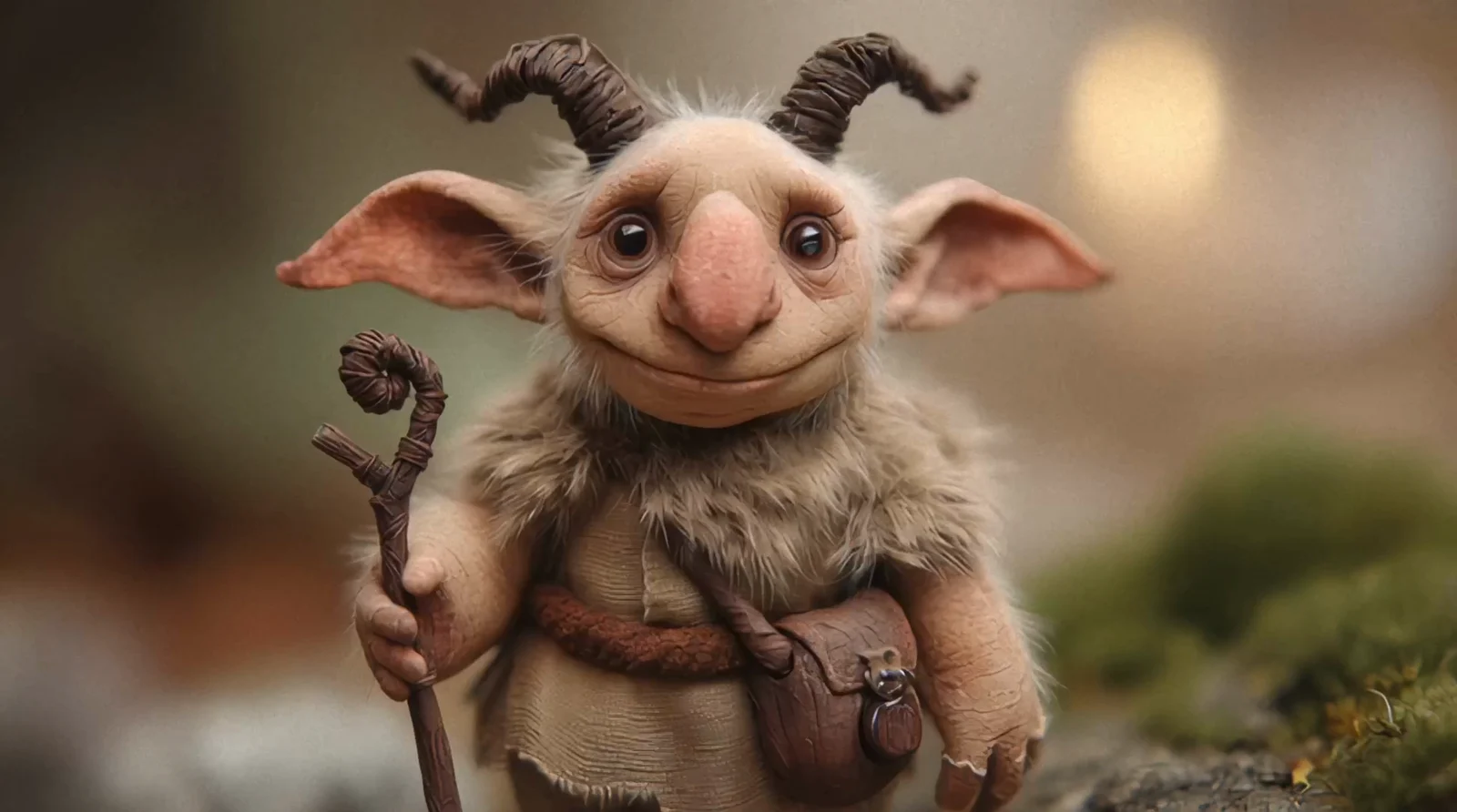
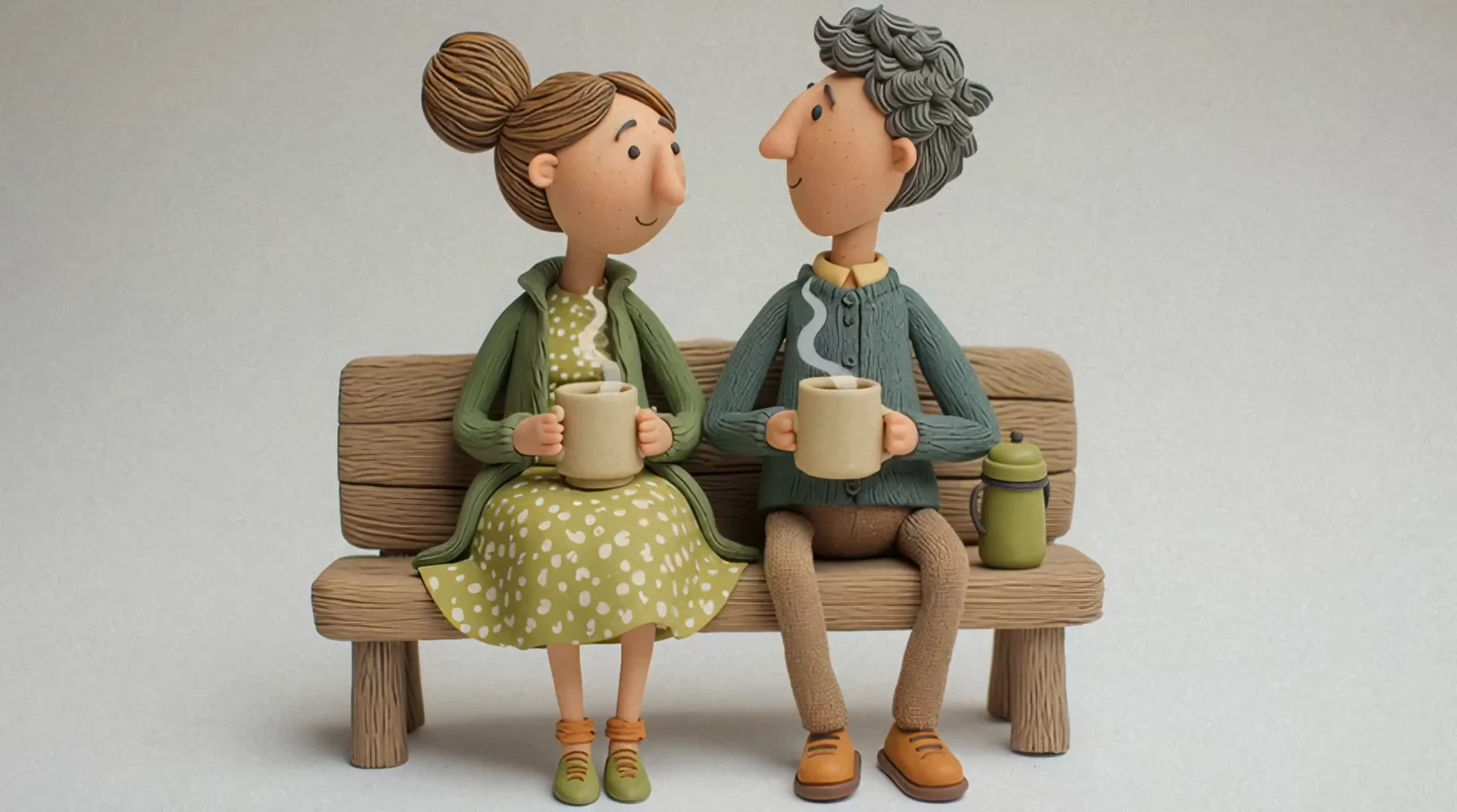
The 26-second look-development reel explores hand-painted clay surfaces, miniature environments, wooden-puppet textures, whimsical character design, low-poly action, fantasy creatures, and softer character-driven scenes.
The goal was not to present one finished campaign. It was to give the prospective client a concrete visual menu - something more useful than describing a style through words alone.
The reel demonstrates how a single broad idea such as "claymation" can lead to very different creative outcomes depending on material, character proportion, lighting, movement, and emotional tone.
After reviewing the claymation-style reel, the prospective client asked for a custom proposal sample. I developed Spinoora as a vertical Facebook-ad concept for a seat cushion designed around sitting comfort and posture support.
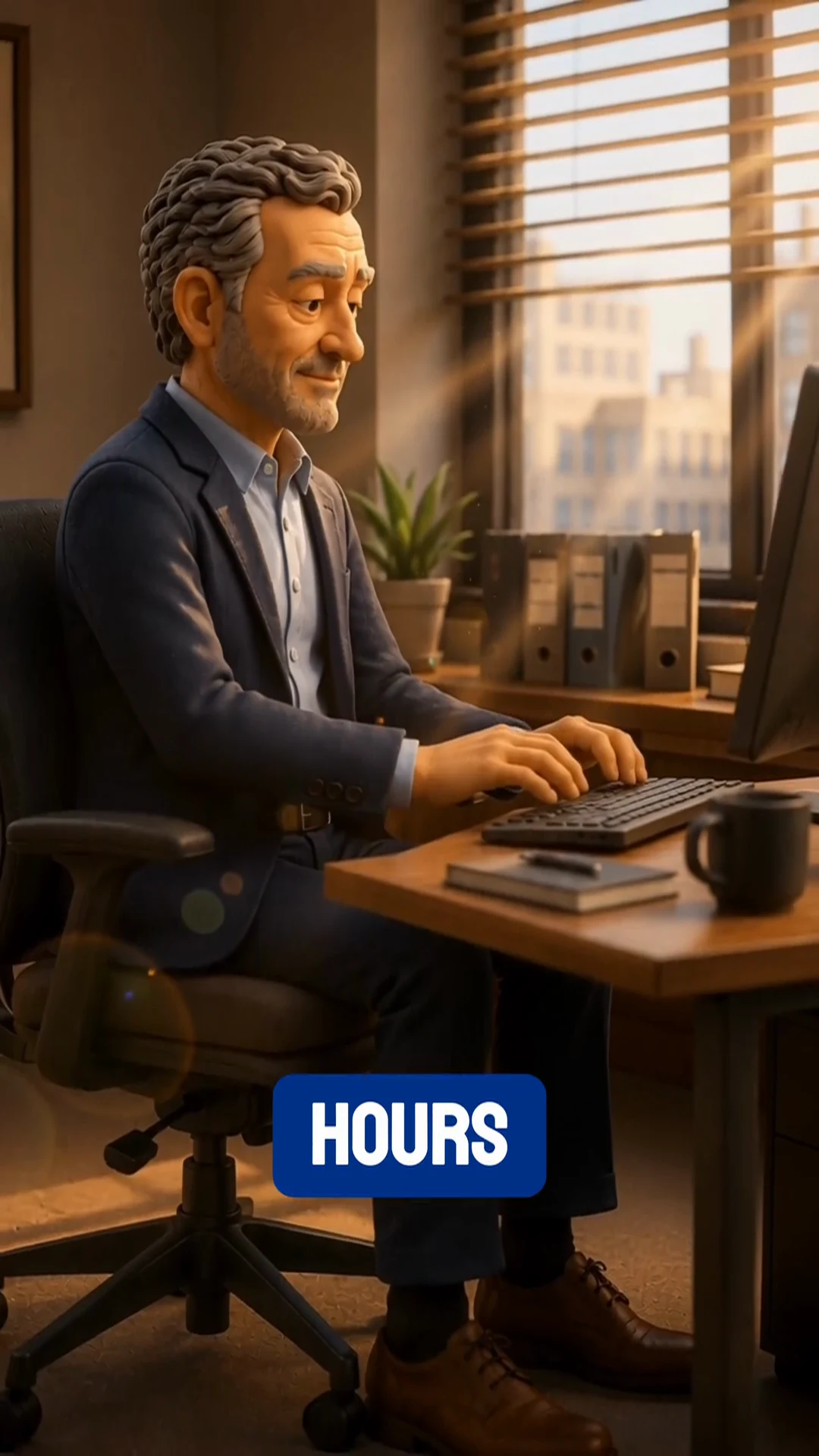
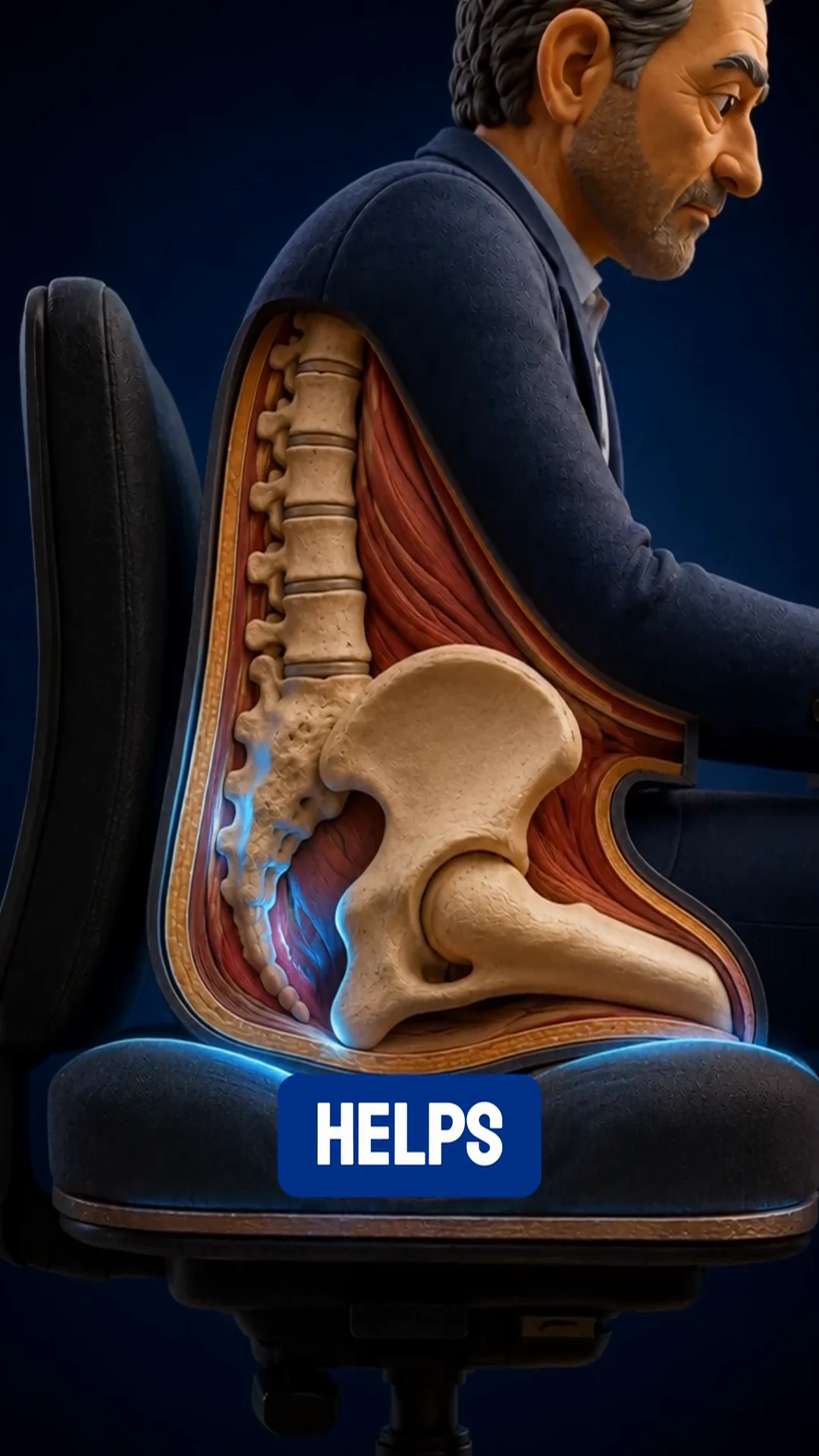
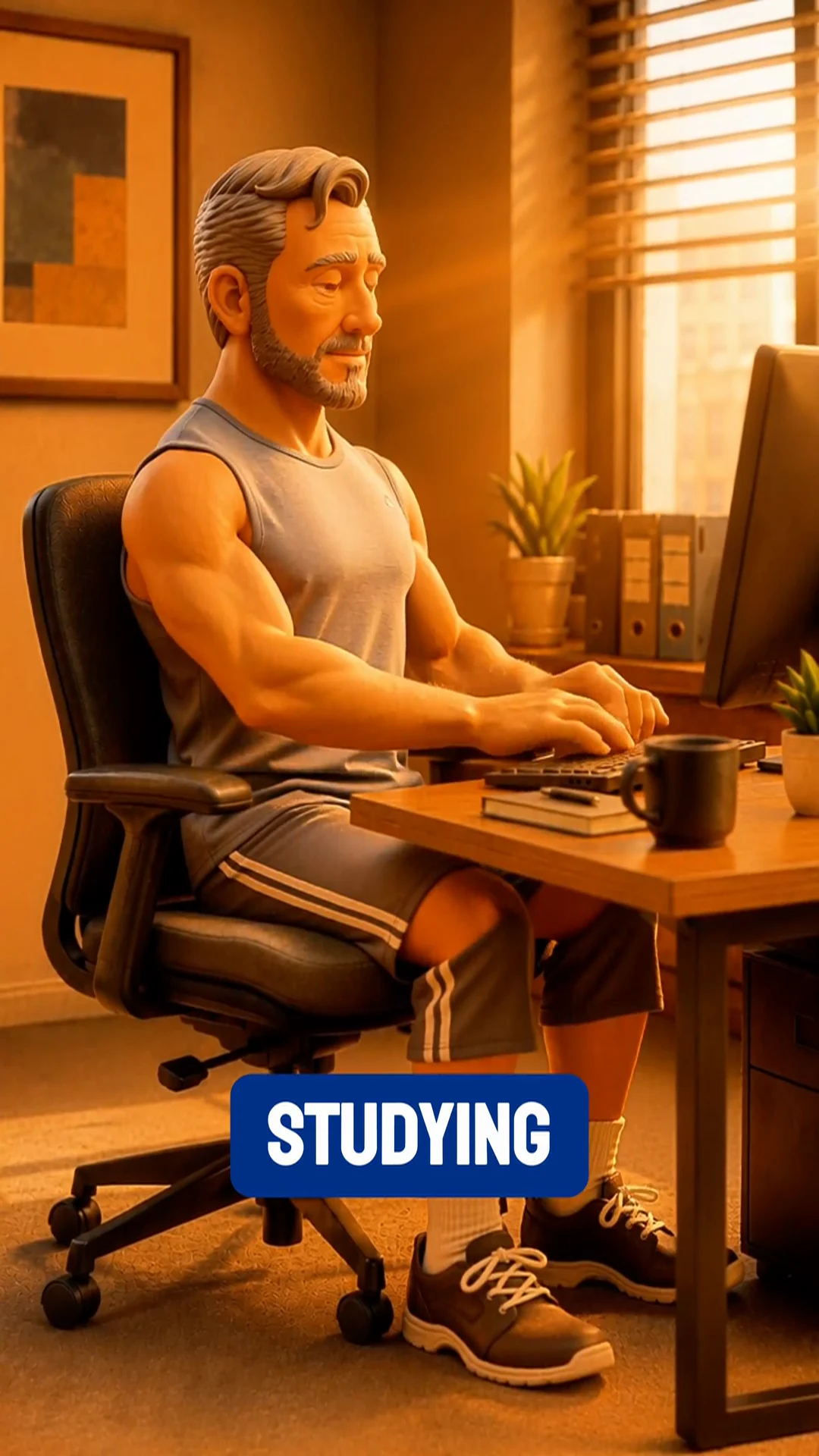
The visual language needed to stay warm and approachable while explaining a physical product quickly. The ad combines a relatable office character, an immediate discomfort problem, a clear product reveal, stylized anatomical cutaways, a visible before-and-after change, and a simple end card.
This moved the work from broad aesthetic exploration into a specific product narrative with a defined audience, platform, aspect ratio, and call to action.
9:16 PRODUCT-AD PROPOSAL
The Spinoora concept follows a compact social-ad structure:
The film uses word-led captions, close product framing, warm office lighting, and an approachable claymation-style character to keep the message easy to follow on a mobile screen.
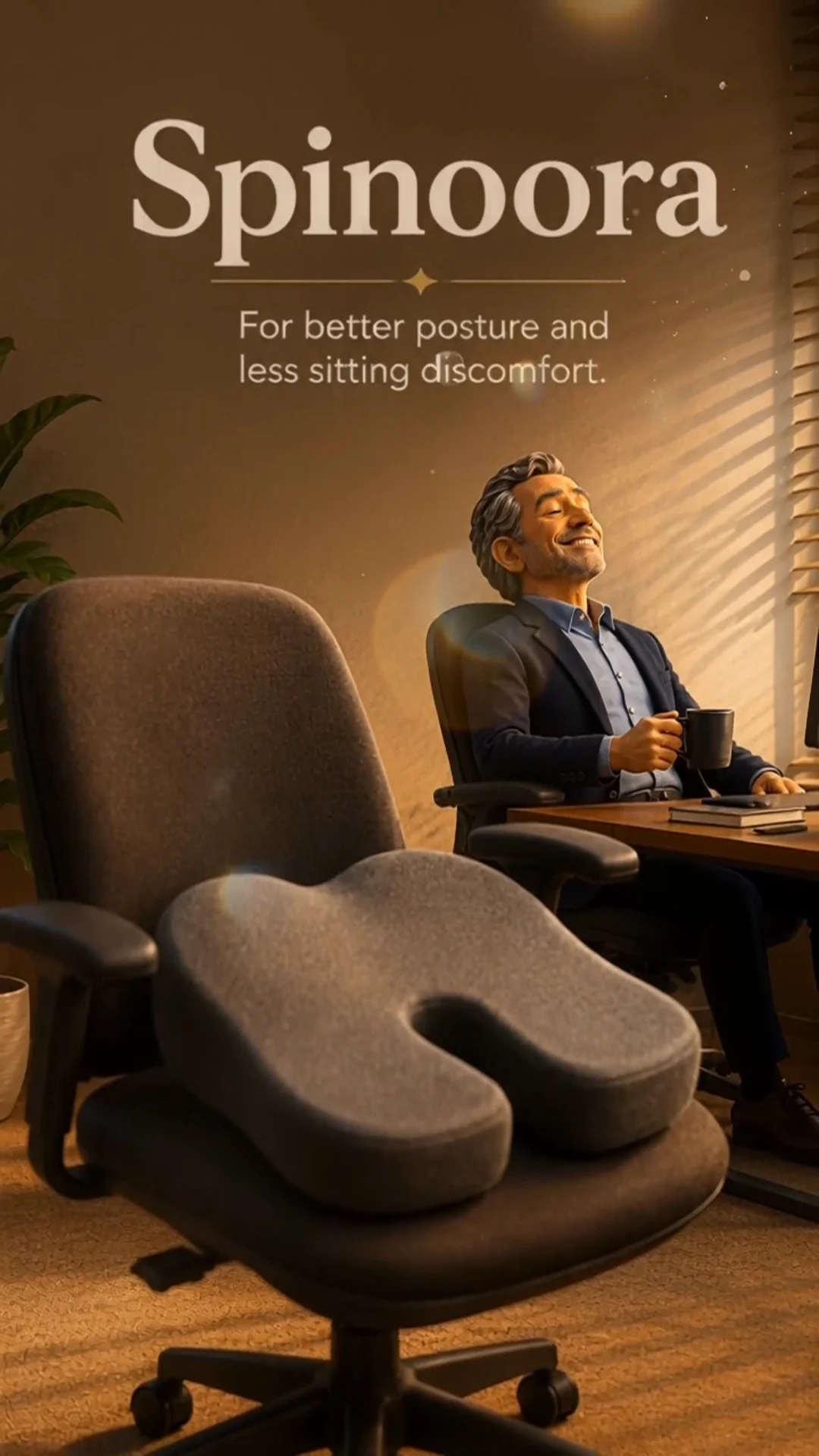
For better posture and less sitting discomfort.
This line appears in the source film and is not presented as a medical or therapeutic claim.
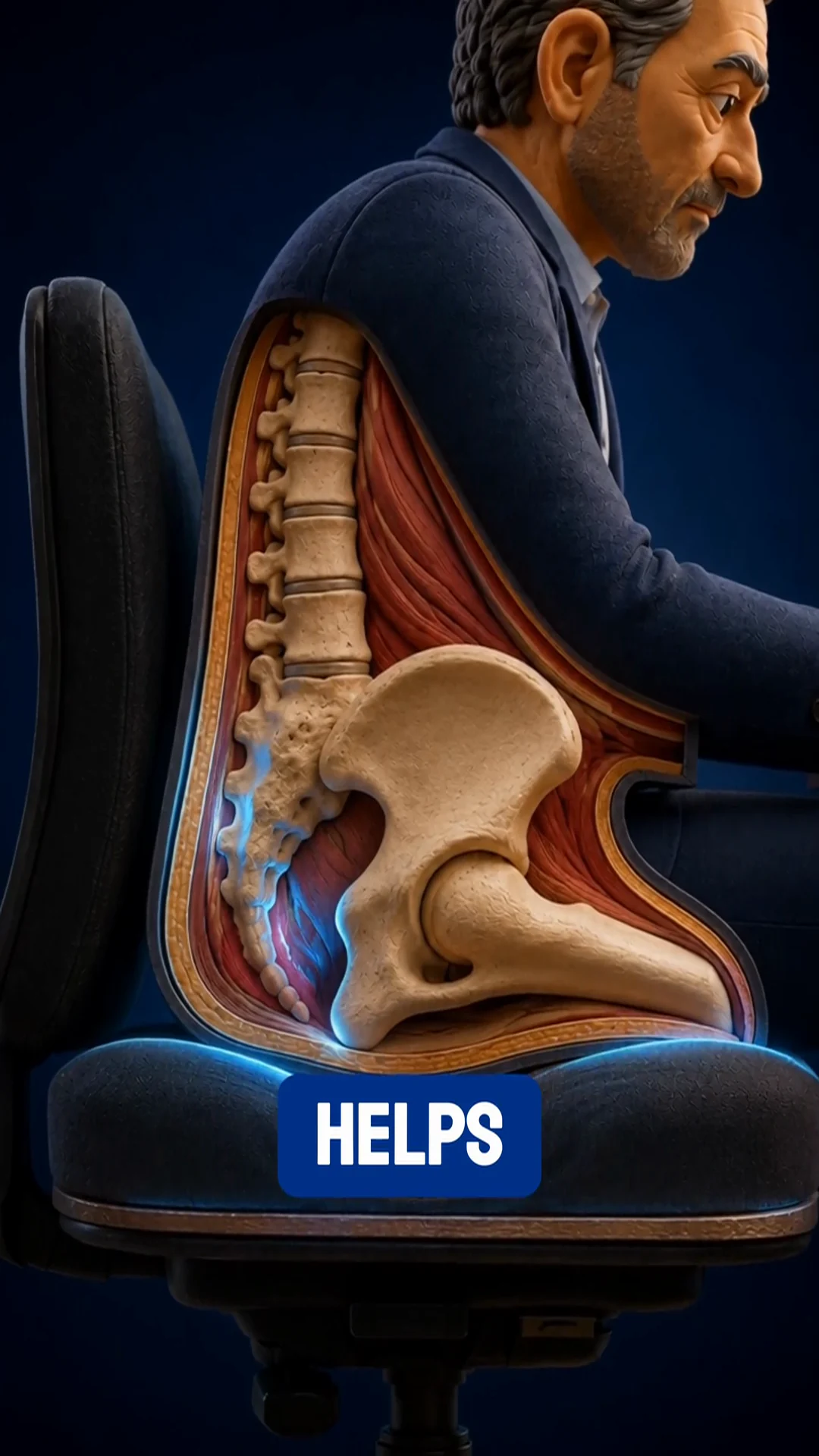
Comfort and support are difficult to show through an exterior product shot alone. The ad uses a stylized anatomical cutaway to make the intended idea easier to understand: where pressure may be felt, how the cushion sits beneath the body, and how the support concept relates to posture.
This is a visual storytelling device, not clinical evidence. Its purpose is to translate a product proposition into a quick, understandable image for advertising.
Translate the broad claymation request into decisions about character material, texture, proportions, lighting, environment, humor, and movement.
Generate and compare multiple claymation-style directions rather than committing to the first attractive result.
Structure the Spinoora film around a mobile-first progression - hook, problem, product reveal, explanation, transformation, and end card.
Maintain the office character, cushion form, chair, lighting, and warm color language across the sequence.
Develop style frames, characters, environments, product views, and anatomical visuals across the approved image-generation toolset.
Animate selected frames and test movement across the approved video-generation toolset.
Select the strongest generations, control pacing, shape the before-and-after progression, and time the word-led captions for a fast mobile read.
Assemble, composite, caption, transition, mix, and prepare the final delivery.
Traditional stop-motion depends on physical characters, fabrication, sets, lighting, and frame-by-frame capture. An AI-assisted workflow can explore a wider range of materials, characters, and environments before a direction is selected, without building each option physically.
That does not remove the need for direction. The work still depends on taste, selection, continuity, motion judgment, editing, compositing, and knowing which visual decisions support the product story.
For proposal-stage advertising, this makes claymation-style animation useful as both a creative test and a persuasive way to show what a larger campaign could become.
Eight selected frames showing how material, character proportion, lighting, movement, and emotional tone can push one broad claymation idea in very different directions.
Eight selected frames following the proposal from the everyday workday setup through discomfort, product reveal, visual explanation, supported posture, and final end card.
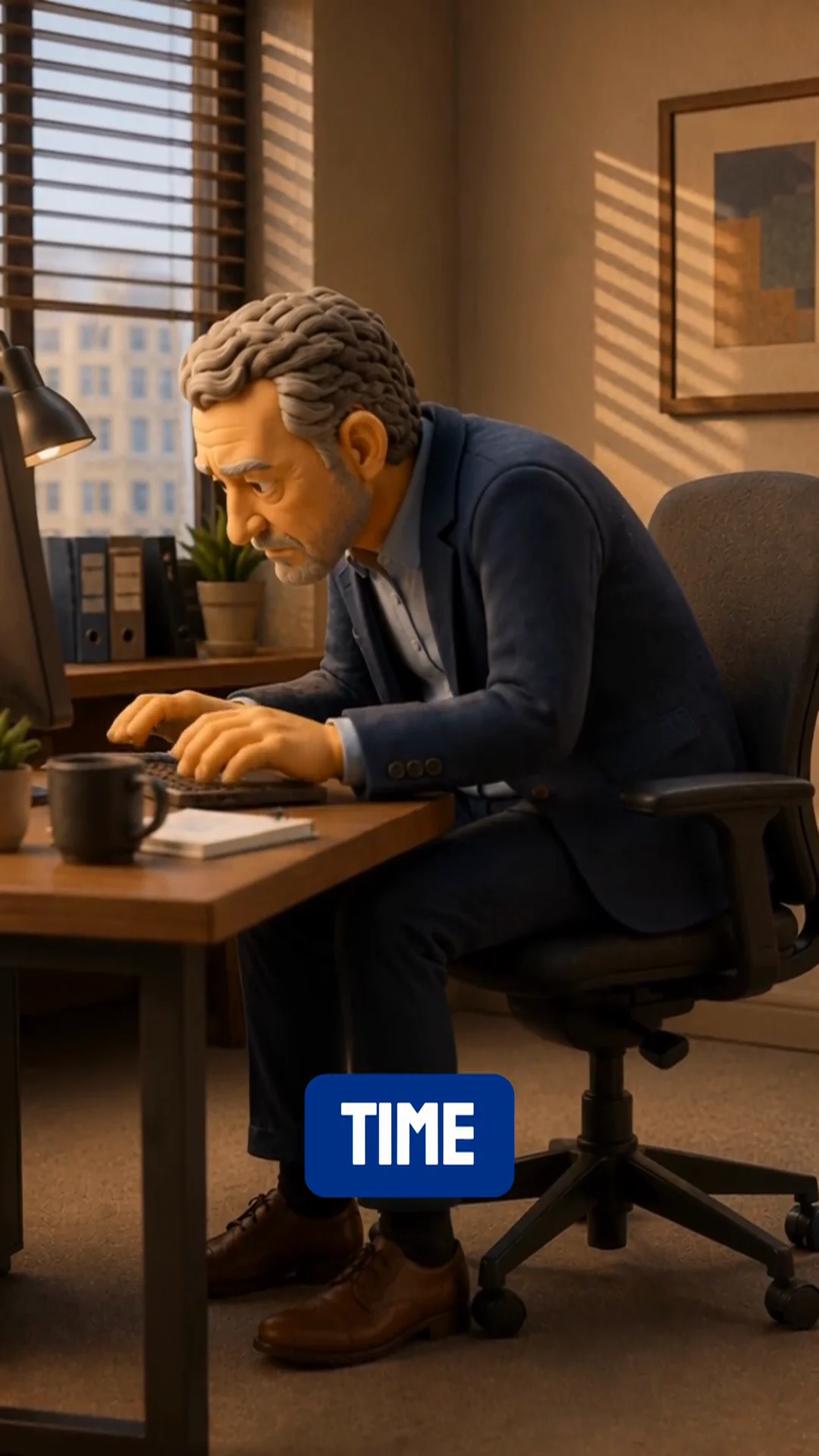
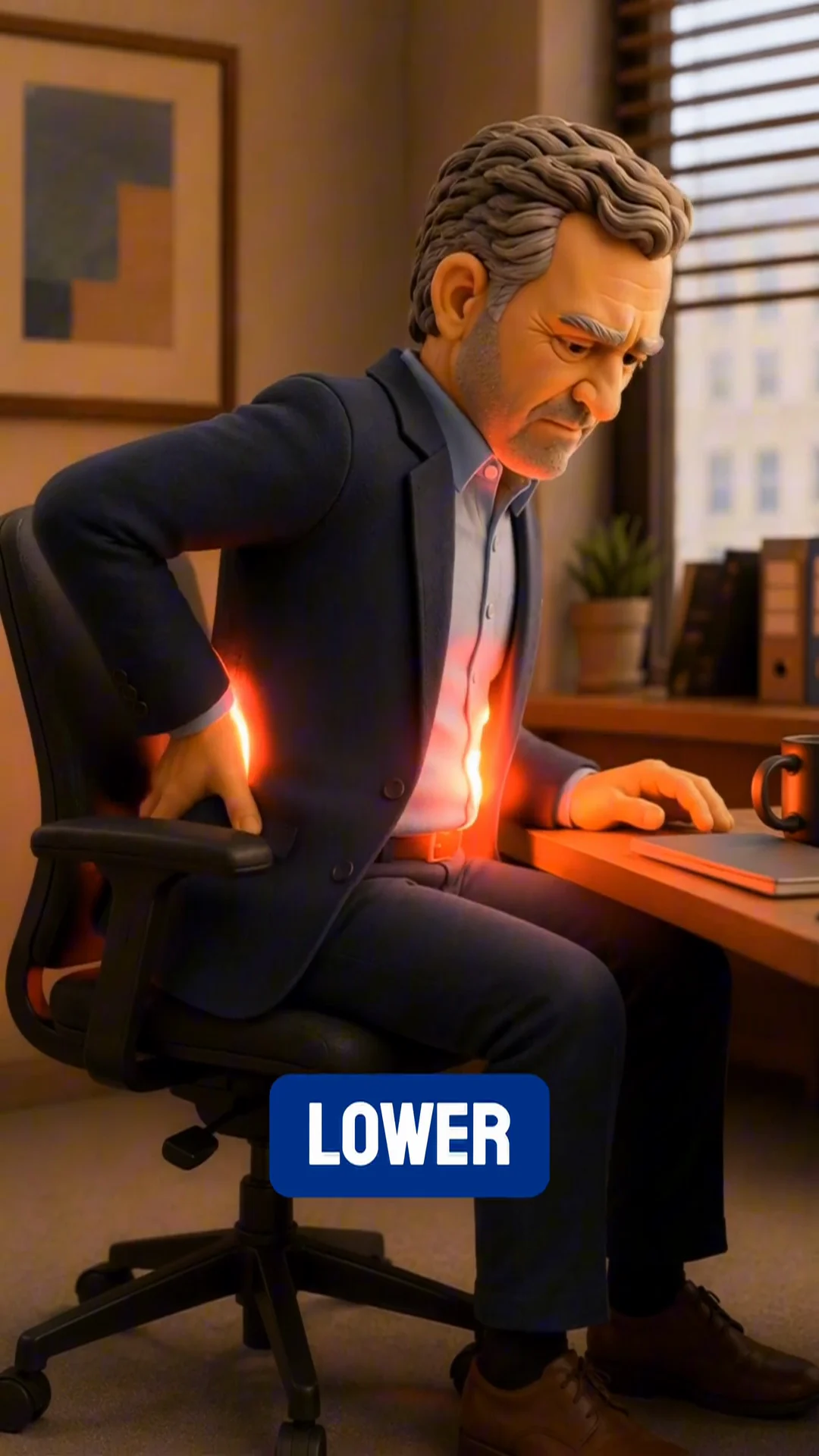
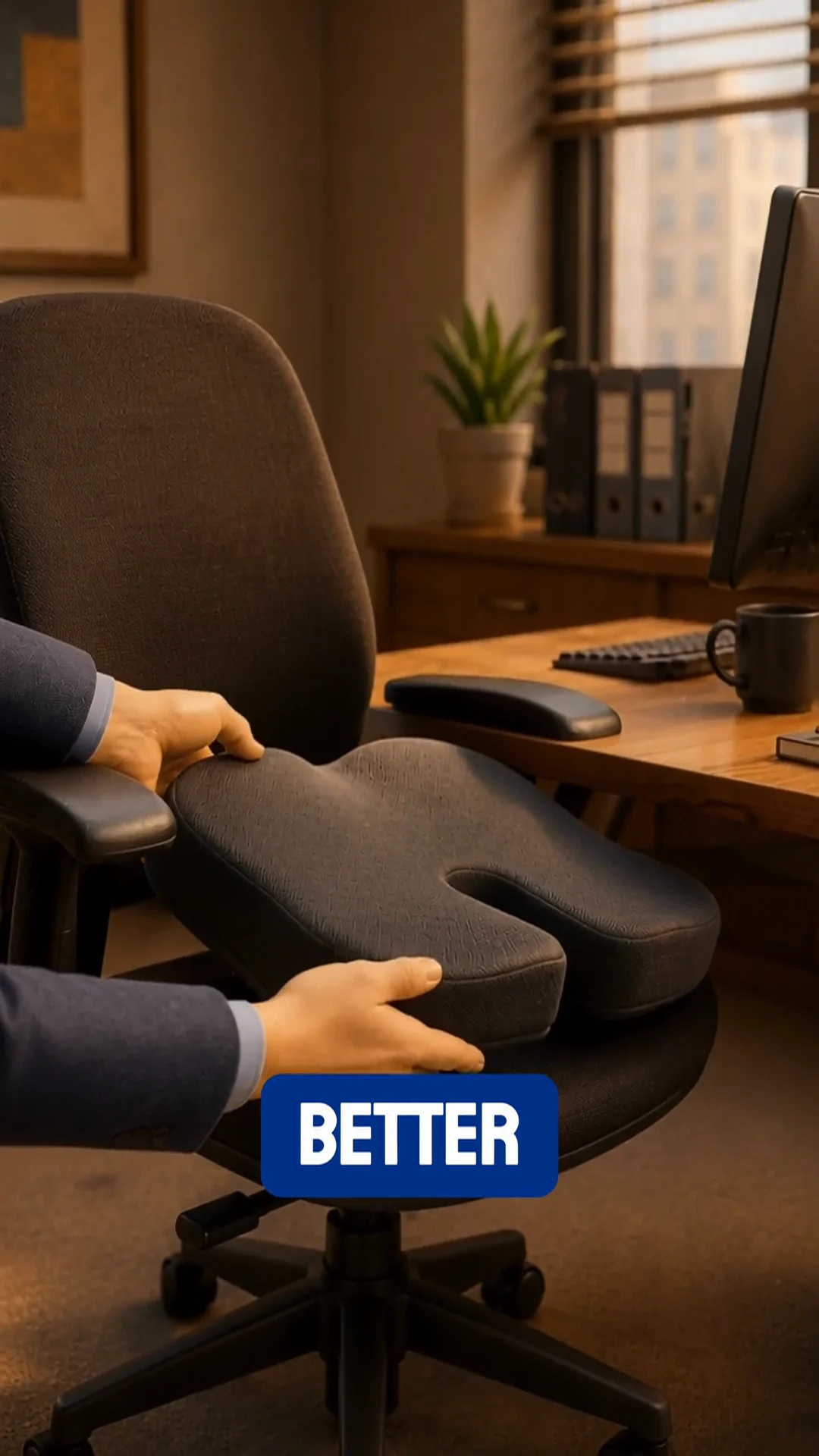
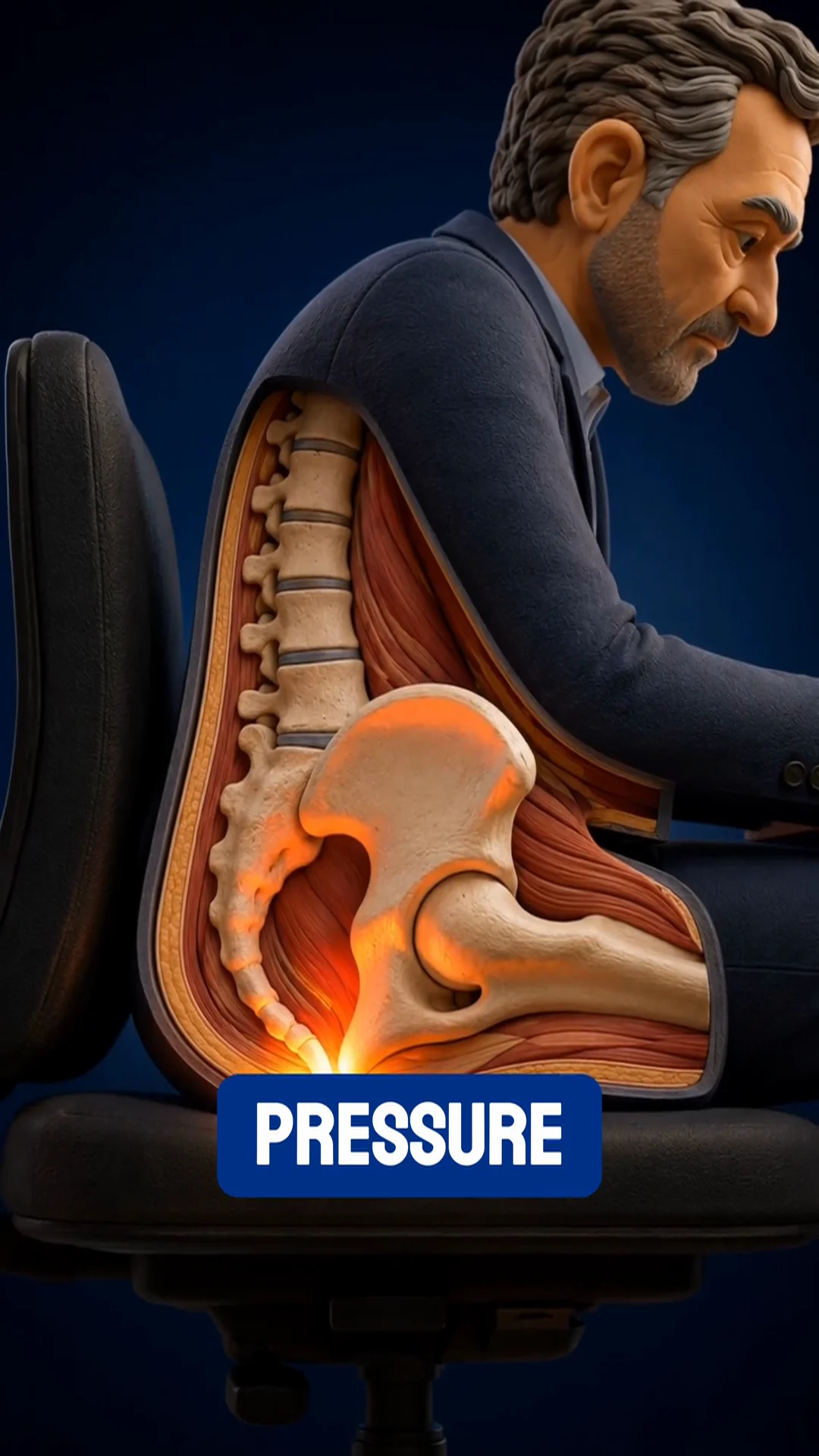
The claymation-style reel gave the prospective client enough visual information to request a more specific proposal. That proposal became the completed Spinoora ad concept.
Together, the two films demonstrate a practical pre-production sequence:
Explore the style -> choose the direction -> apply it to a product story -> prepare a campaign-ready concept for review.
At the time of publication, the work remains at proposal stage. No full campaign launch, advertising performance, or continuing production agreement is being claimed.
Completed concept assets. Full campaign continuation pending client decision.
Stop-motion-inspired visual development built through generative image and video workflows.
Comparing material, proportion, texture, lighting, and emotional tone before committing to a direction.
Turning an early product proposition into a clear hook, reveal, explanation, transformation, and CTA.
True 9:16 production shaped for a fast mobile read and Facebook-oriented delivery.
Maintaining character, cushion, chair, environment, and warm lighting across generated scenes.
Stylized, non-clinical cutaways used to make an intended pressure-and-support concept easier to understand.
Selecting generations, directing movement, and shaping the before-and-after progression into a coherent film.
Word-led caption design, transitions, sound, compositing, and final delivery in After Effects and CapCut.
I can help turn an early product idea into a visual style test, storyboard, proof of concept, or complete AI-assisted social ad, then develop the direction into a repeatable campaign system.