Source translation
Organize dense clinical source material into focused instructional sequences and clear visual priorities.
CLINICAL LEARNING MEDIA · AI CONTENT PRODUCTION · MEDICAL VISUALIZATION
AI-Enhanced Medical Education & Visual Content System
A multidisciplinary medical-learning media study built around sepsis education, combining clinical presentation design, medical visualization, instructional graphics, interface concepts, avatar-led video, motion design, and digital learning assets into one consistent production system.
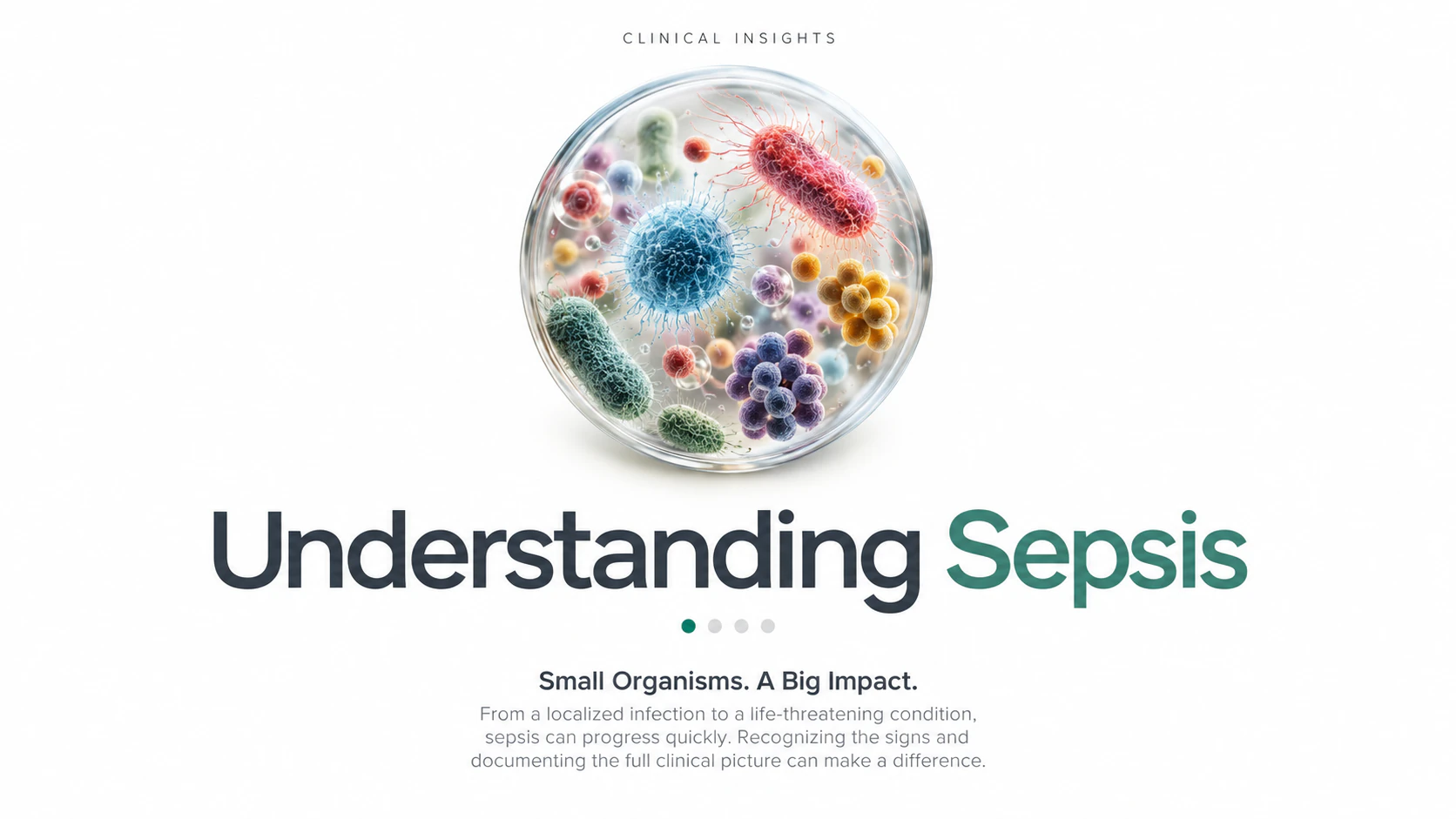
Project classification: Independent Study. Commercial proof: Capability Proof.
Medical learning content has to do more than look polished. It needs to simplify dense clinical information, preserve hierarchy, support recognition and recall, and remain consistent across presentations, video, interfaces, diagrams, and animated media.
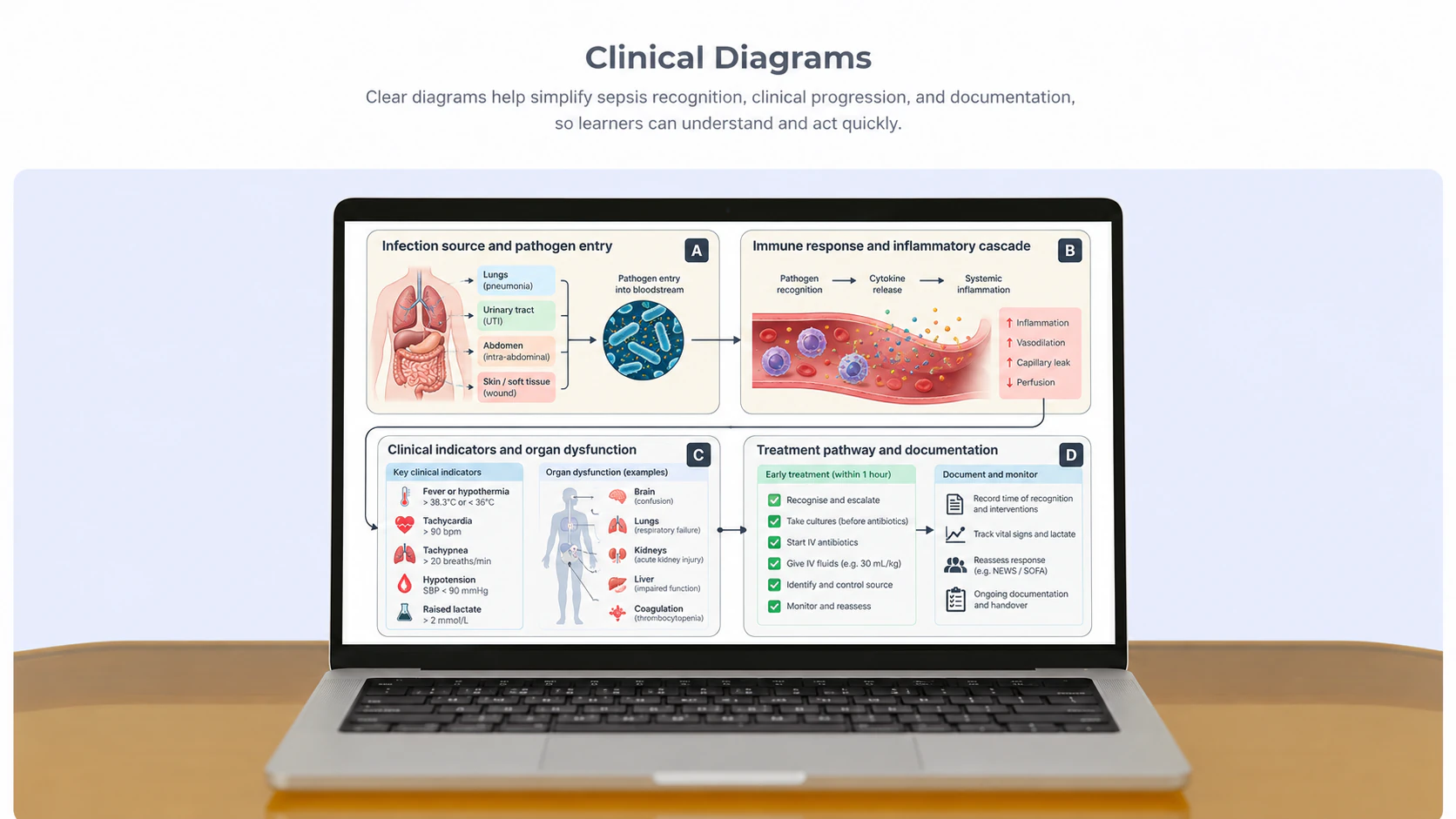
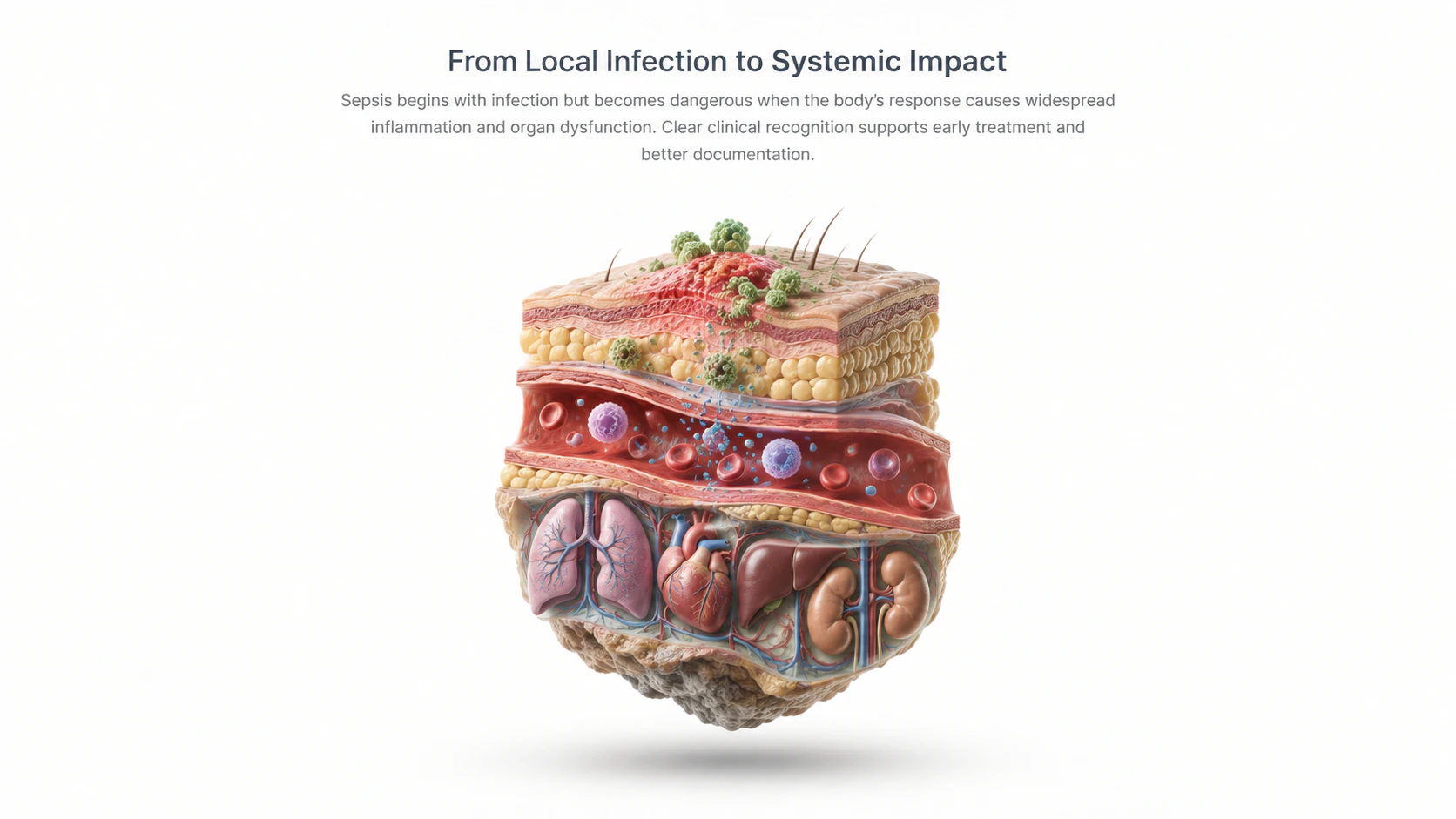
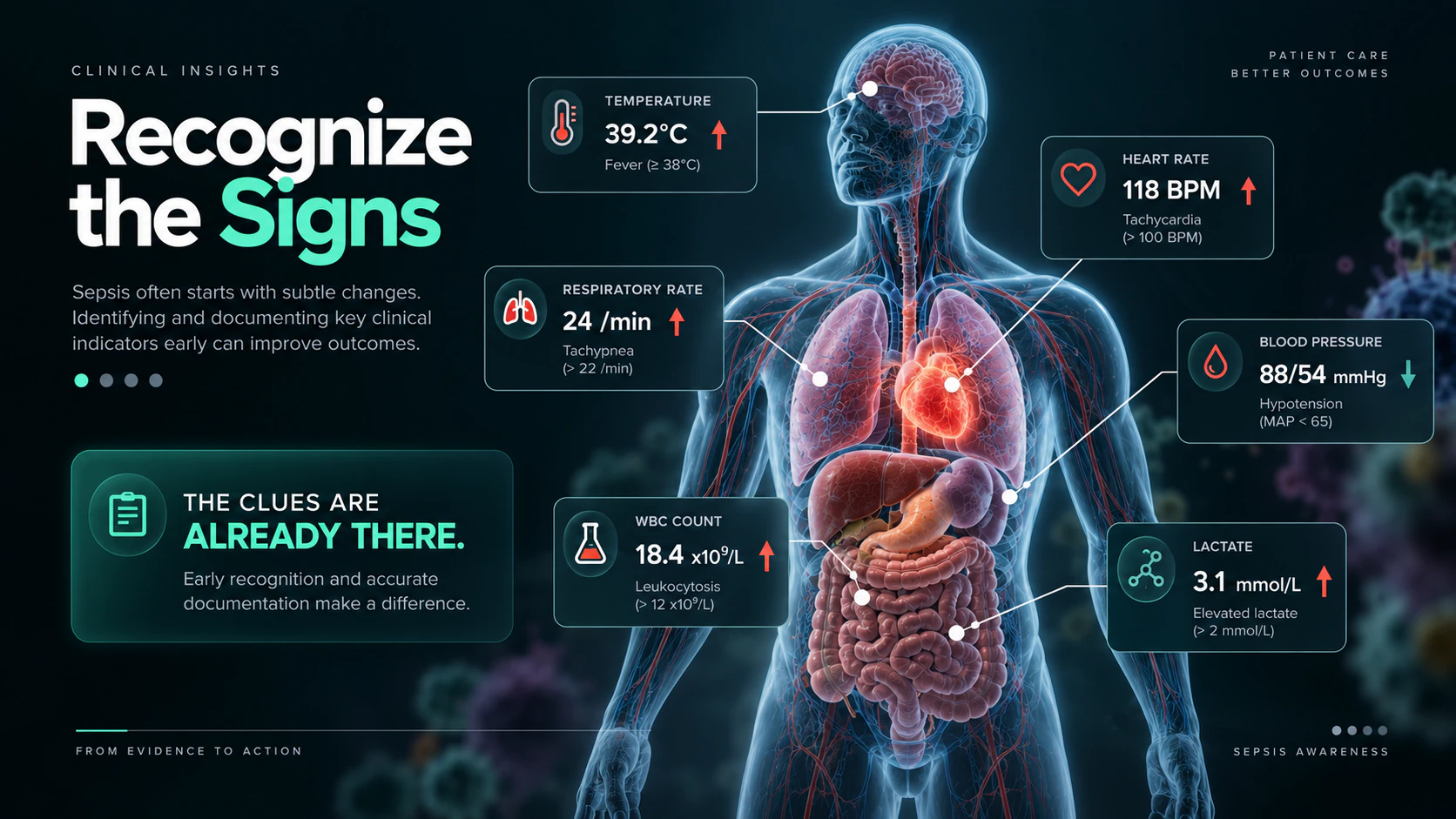
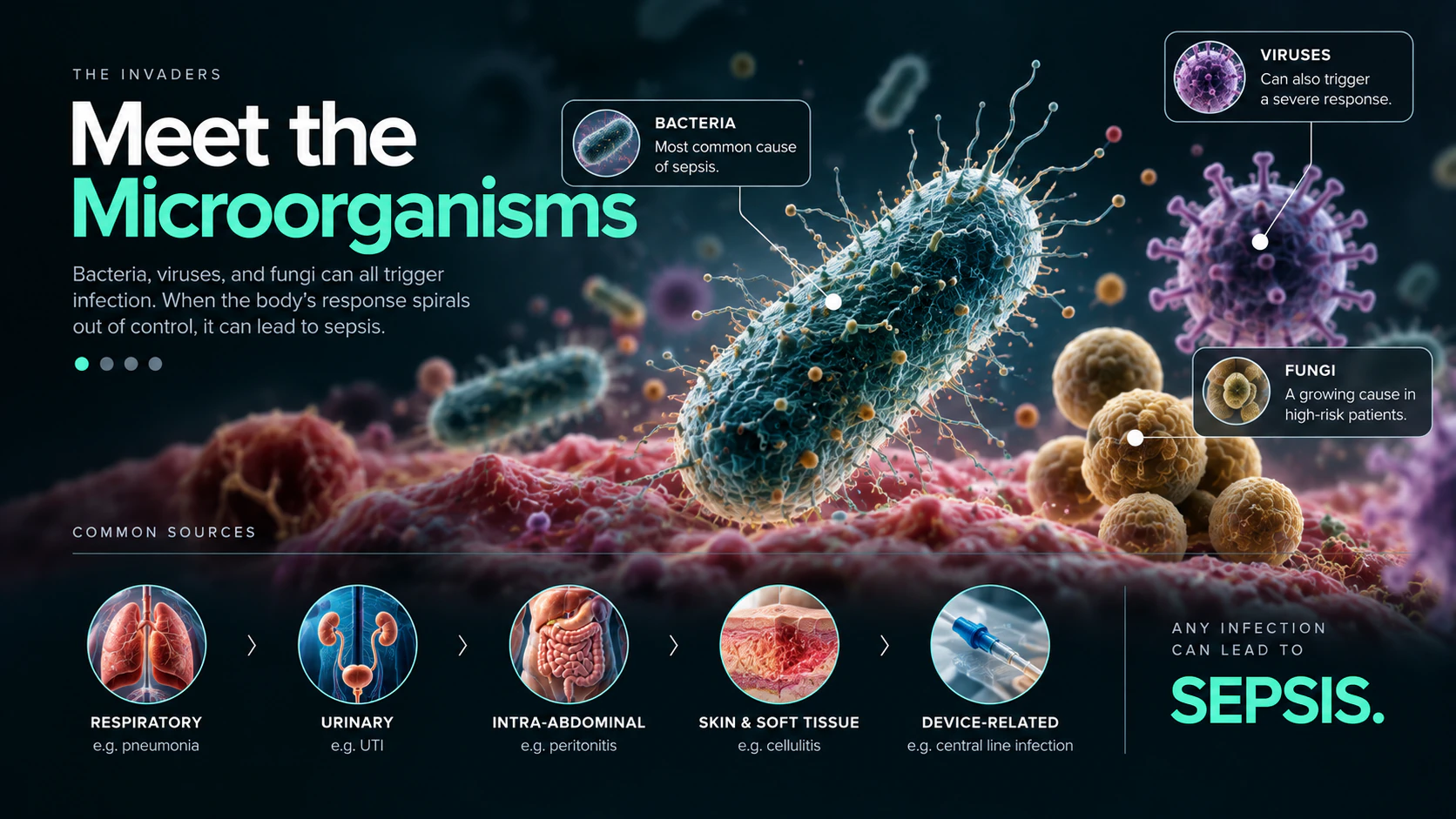
The visual system translates clinical concepts into structured, presentation-ready diagrams and explanatory graphics. The goal is to make complex information easier to scan and understand while maintaining a consistent visual language across the module.
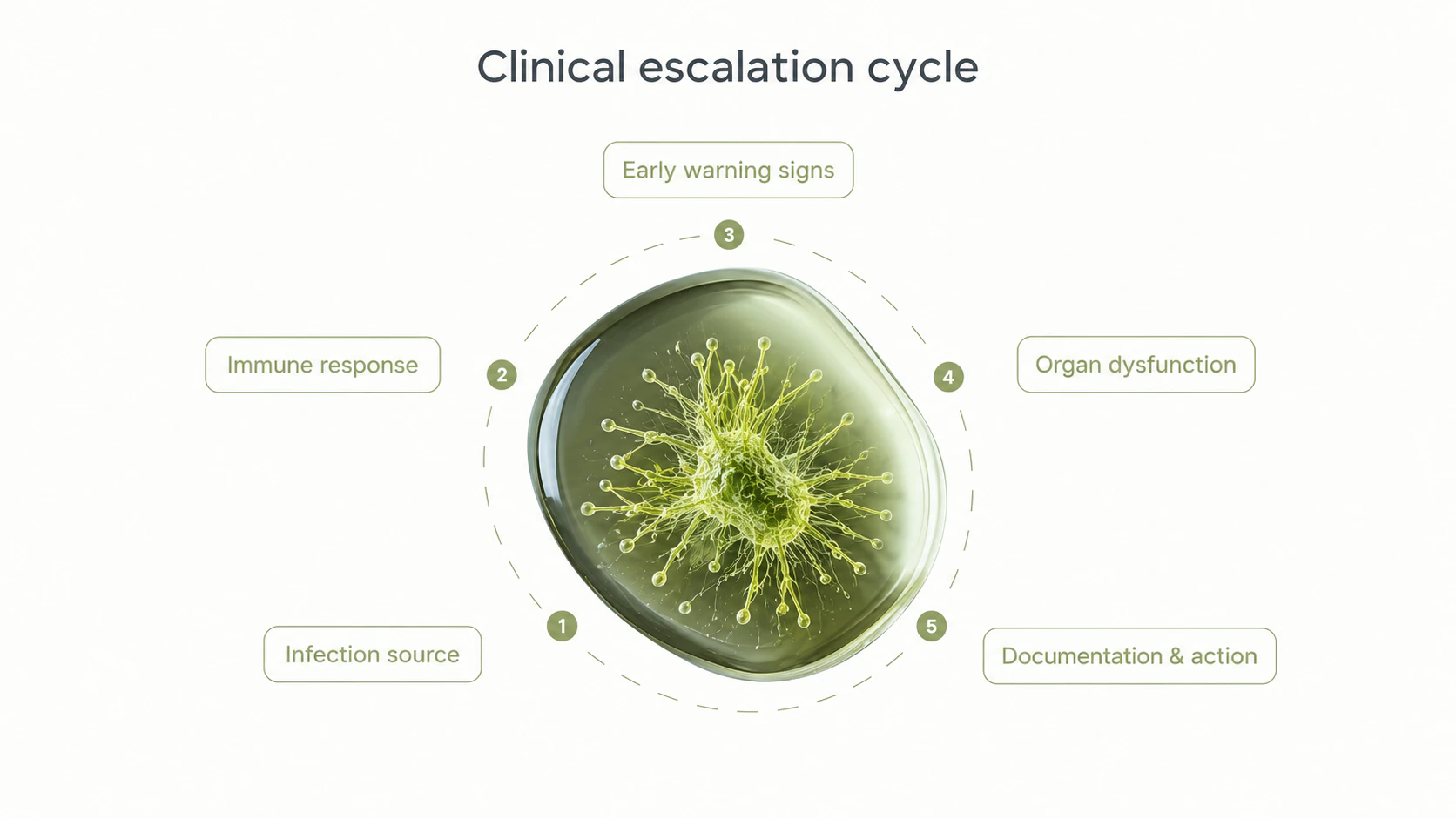
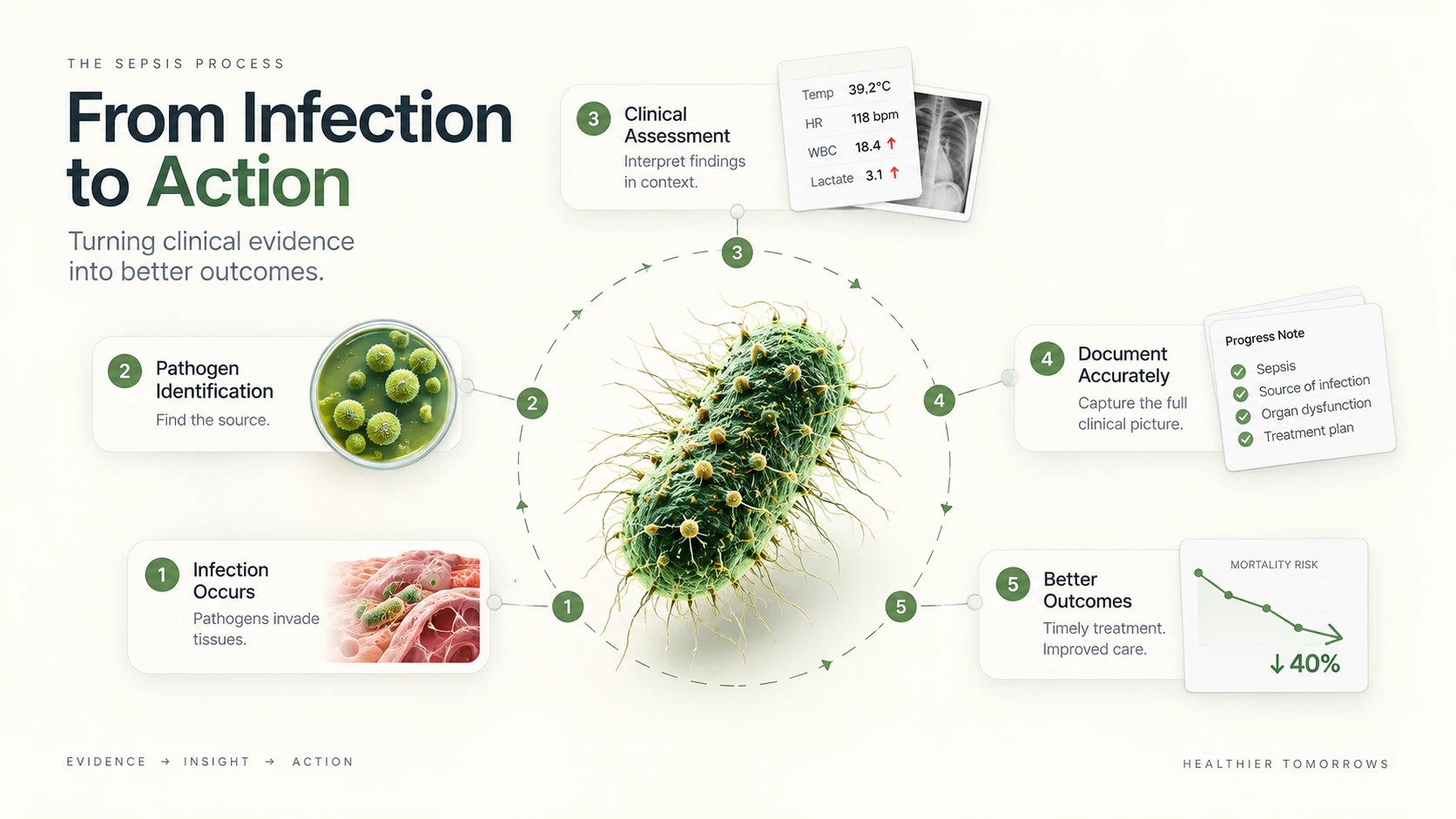
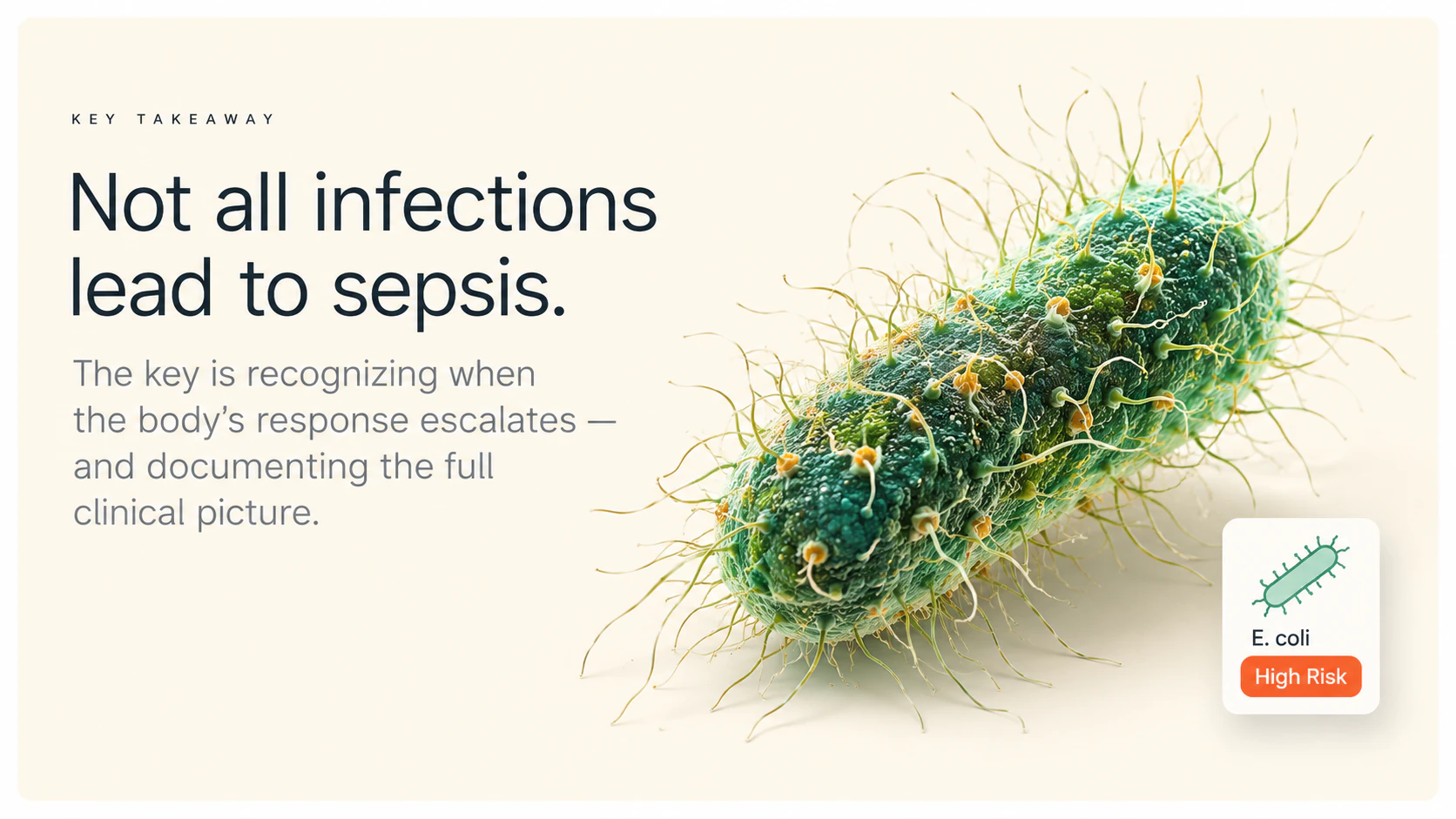
Motion is used selectively to guide attention, clarify progression, and make clinical explanations feel more active without turning the learning experience into visual noise.
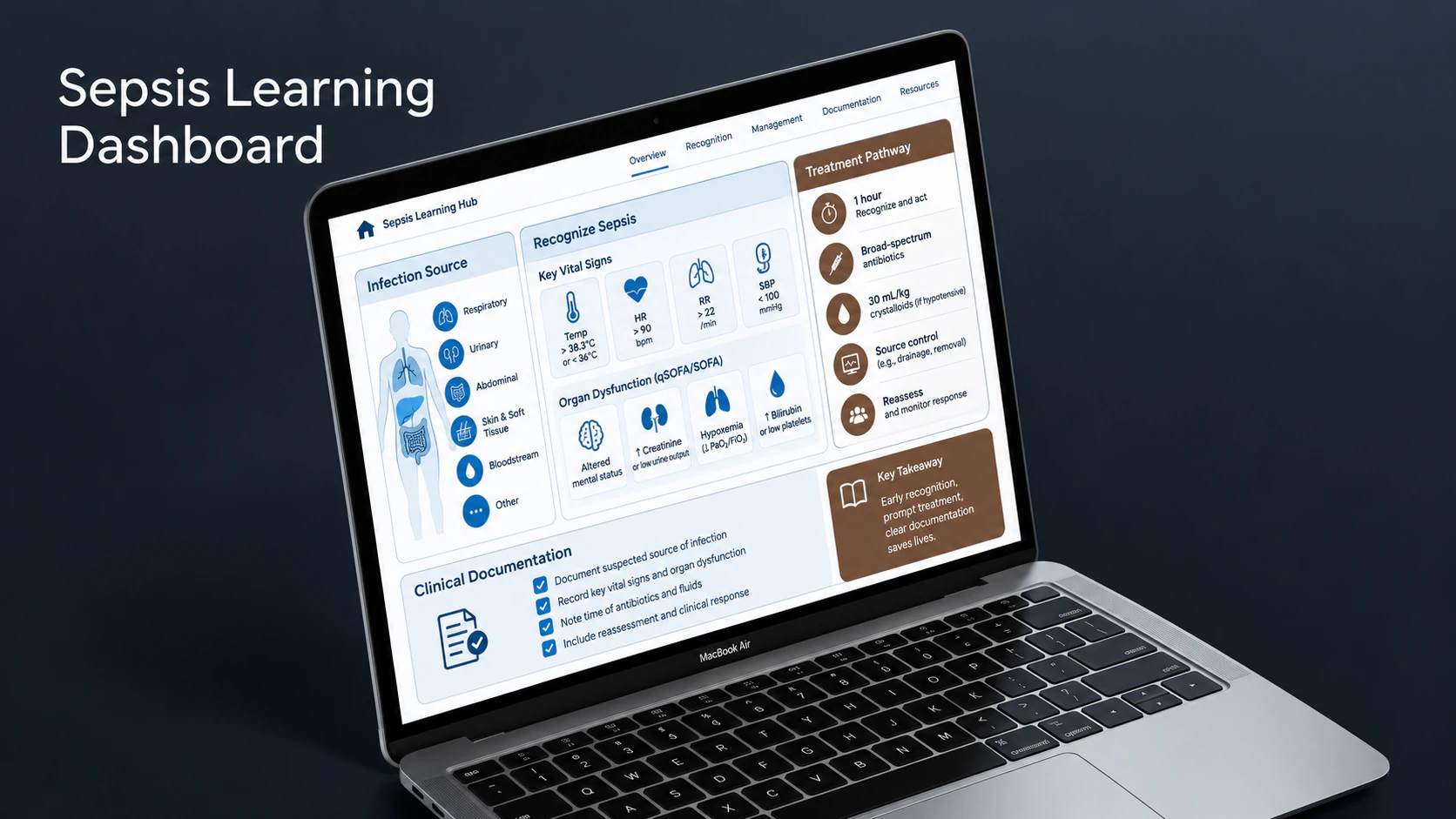
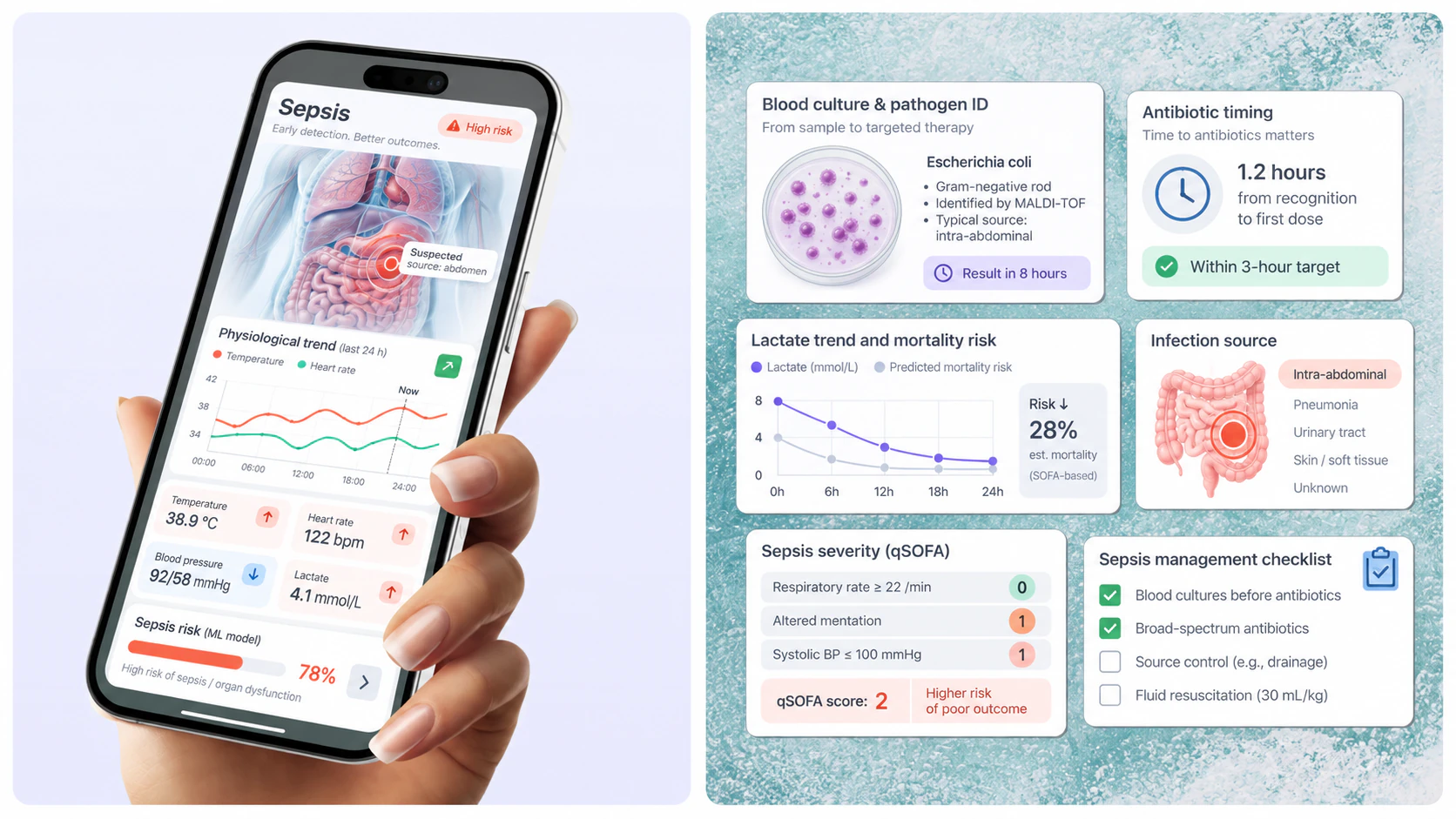
The same learning system was extended into mobile, tablet, and laptop interface concepts to explore how clinical education can move beyond slide decks into digital learning hubs, dashboards, and interactive-style training experiences.
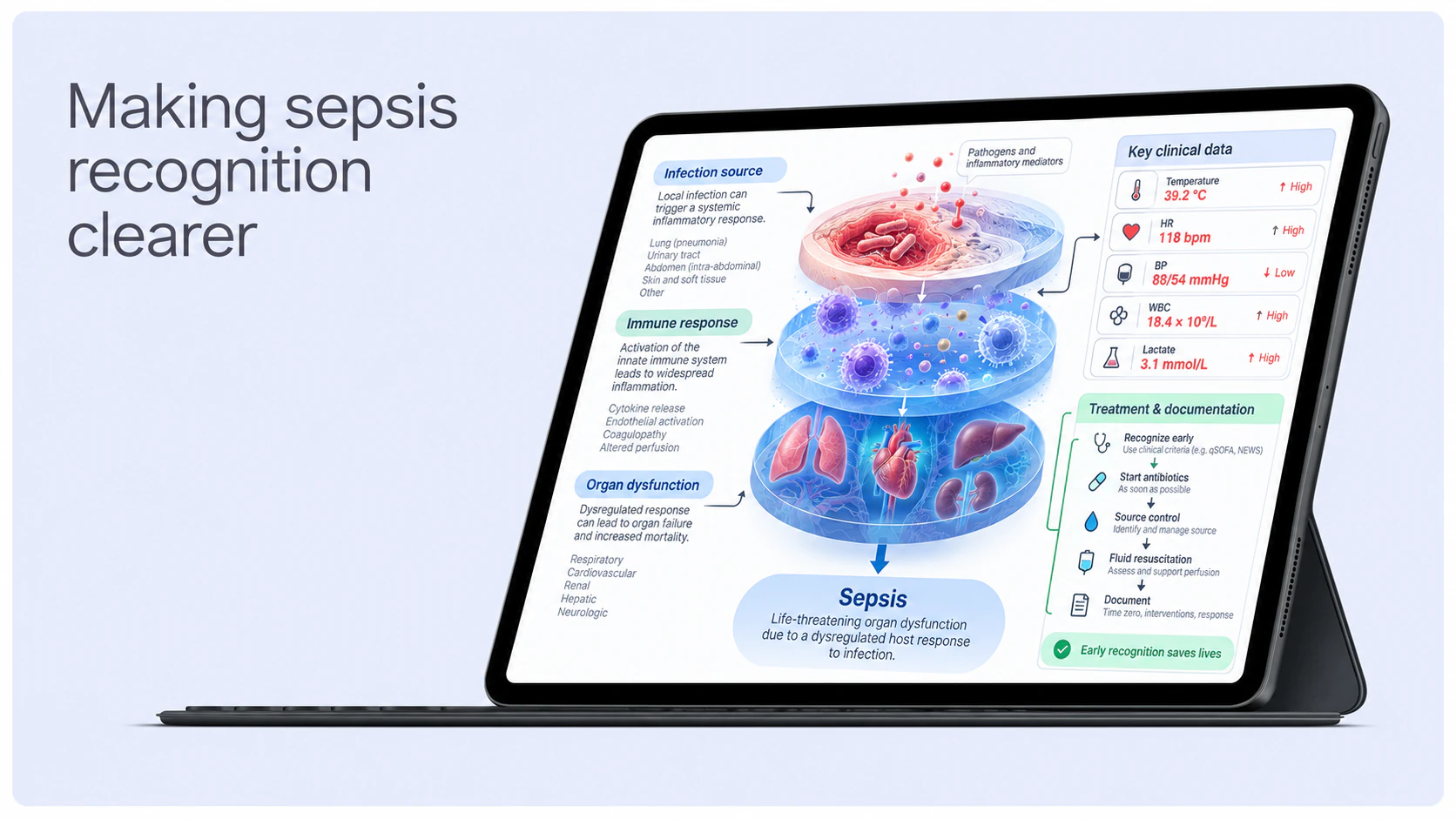
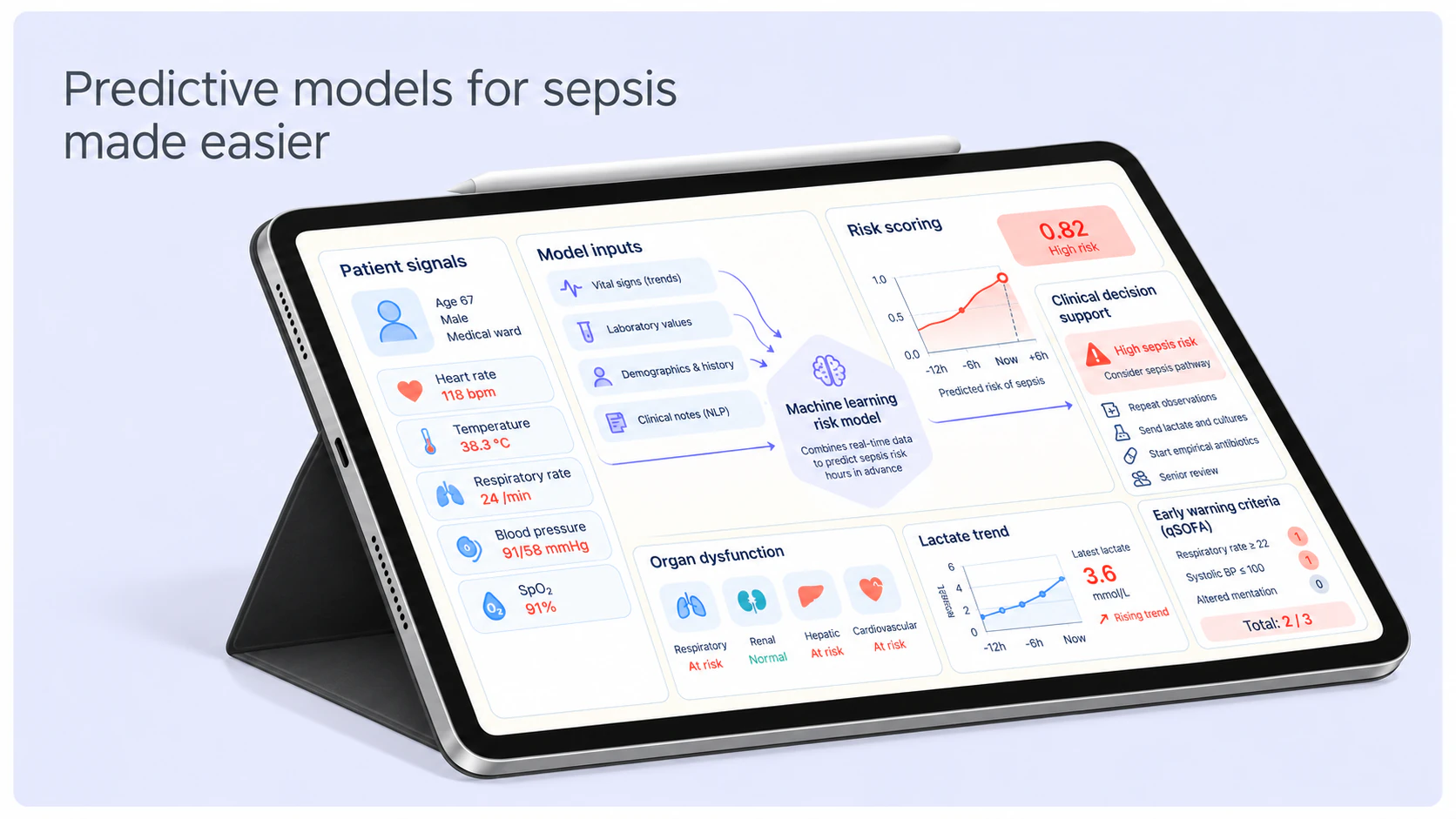
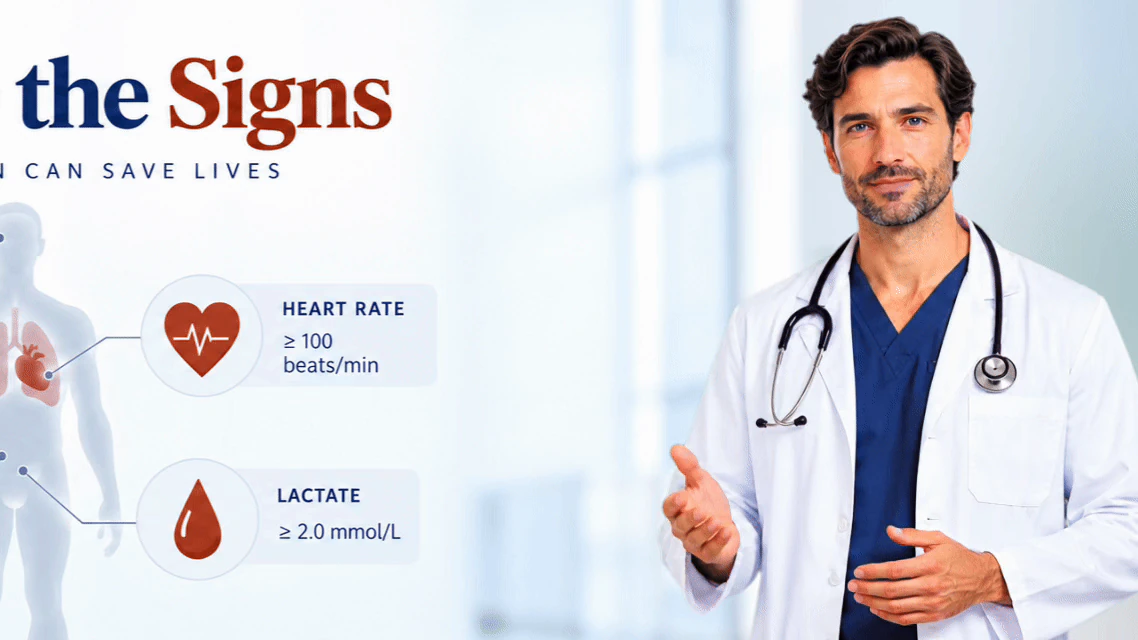
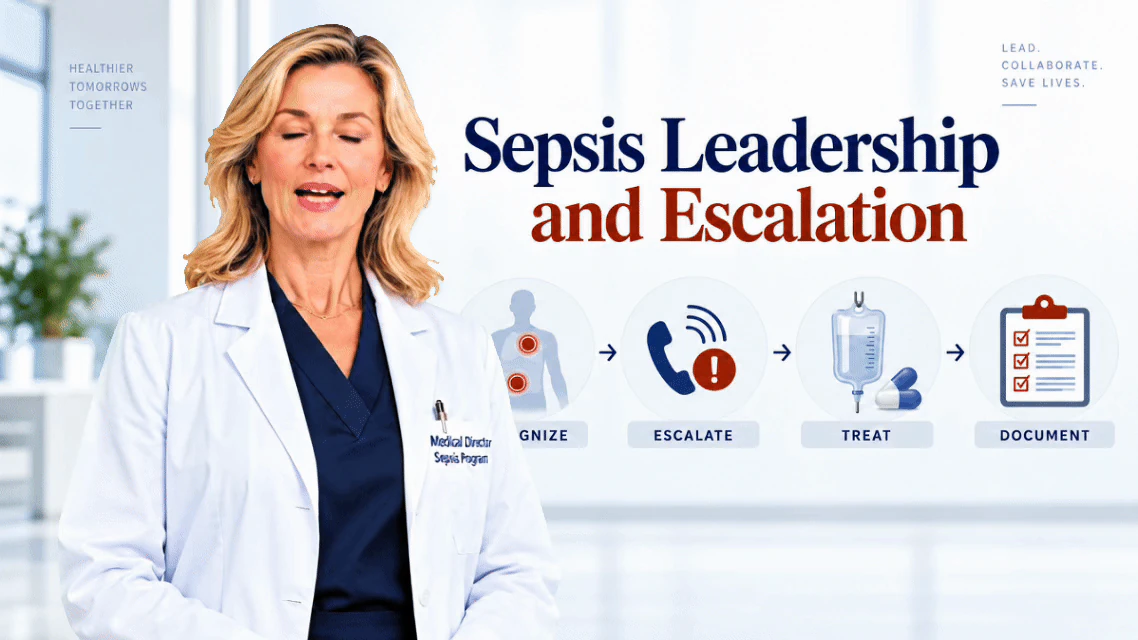
Using HeyGen and Higgsfield for concept development, presenter-led examples show how expert communication can be combined with diagrams, typography, and supporting visuals for modular course content and thought-leadership-style video. These are partial, silent learning-module concepts rather than complete voiced course modules.
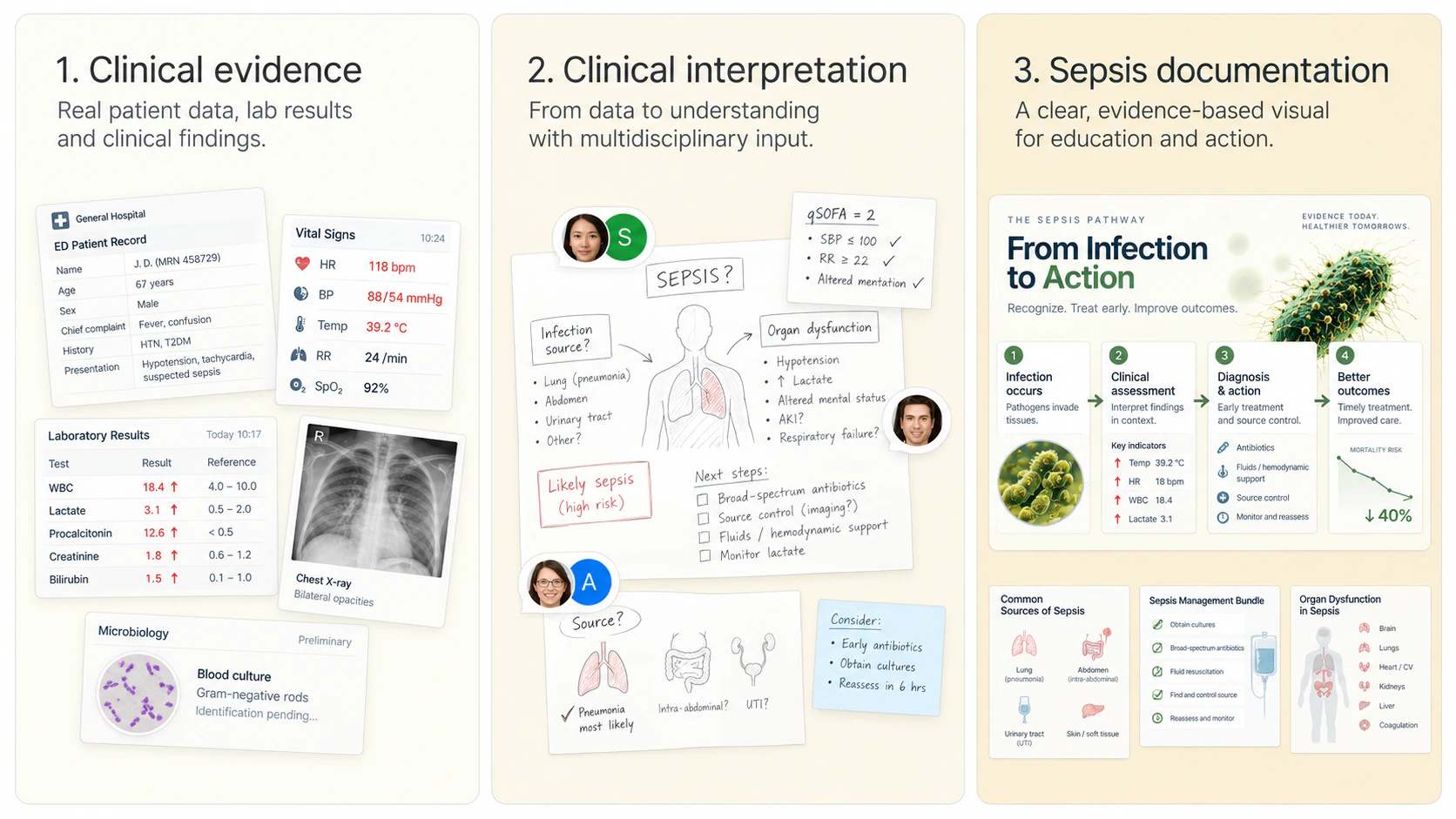
The system also explores how raw clinical evidence can be reorganized into interpretation and documentation-focused learning content, turning complex source material into a clearer visual pathway for education and action.
A second presenter-led concept applies the same visual system to a recognize, escalate, treat, and document learning sequence.
The goal was not to create isolated graphics. The assets were designed as parts of a repeatable content-production system that could extend across course videos, medical presentations, learning dashboards, expert-led video, motion graphics, animated explainers, web learning content, and executive thought-leadership media.
Organize dense clinical source material into focused instructional sequences and clear visual priorities.
Use shared type, layout, diagram, and interface conventions across the learning-content system.
Review content hierarchy, readability, visual continuity, motion restraint, and rendering quality at each stage.
Structure reusable assets and repeatable production steps to support future automation while keeping the public claim limited to automation-ready workflow design.
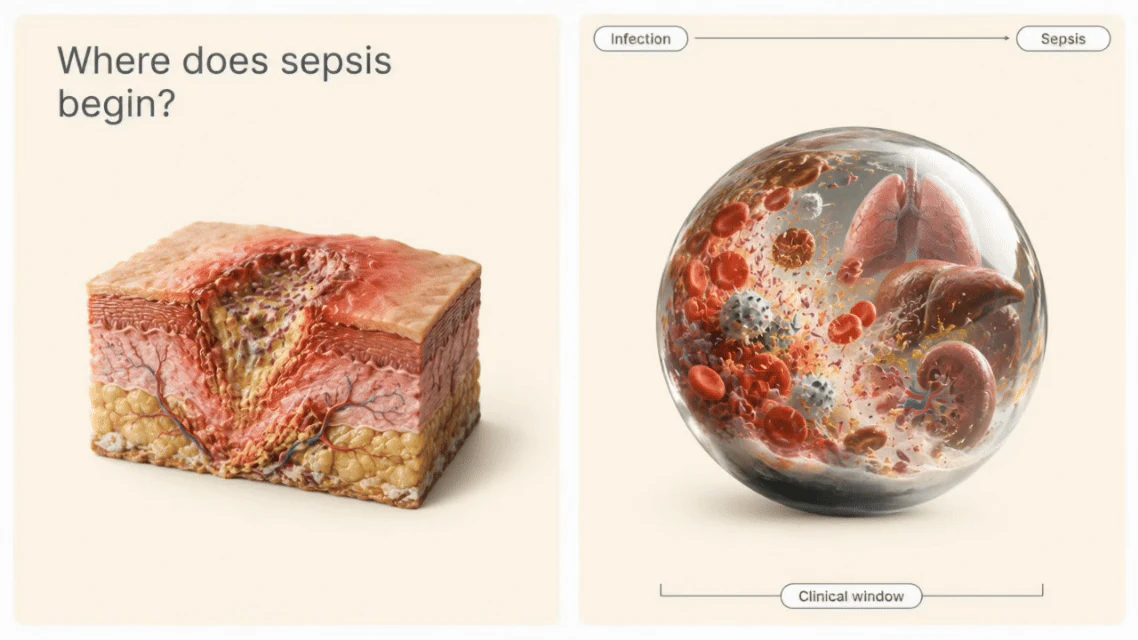
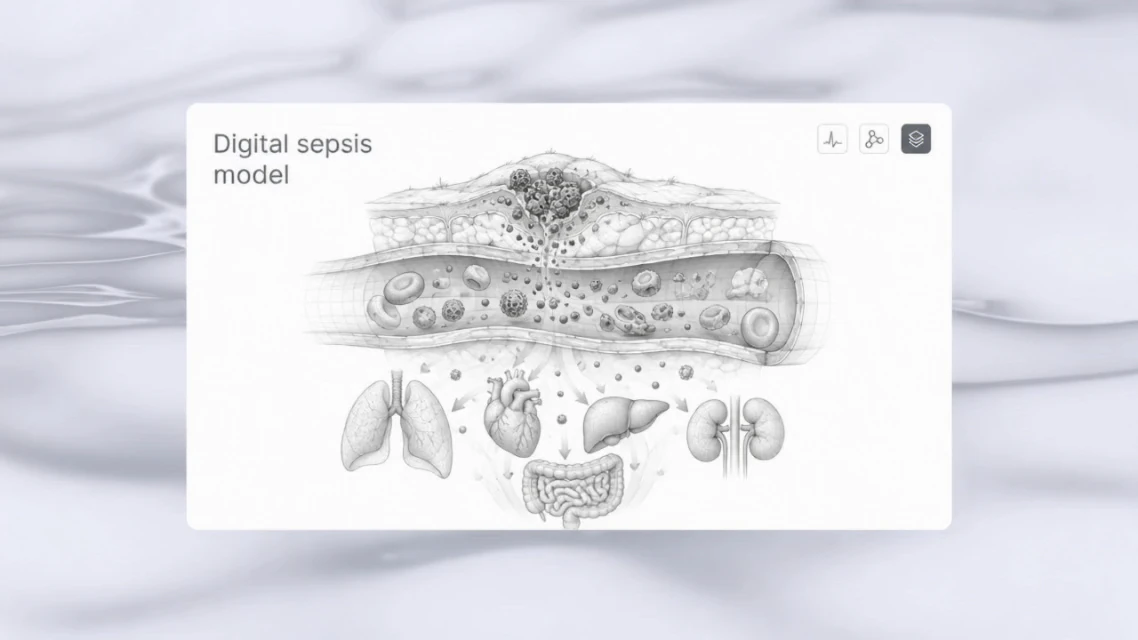
A final animated concept connects an infection site to a systemic clinical window, using motion to clarify progression without crowding the learning frame.